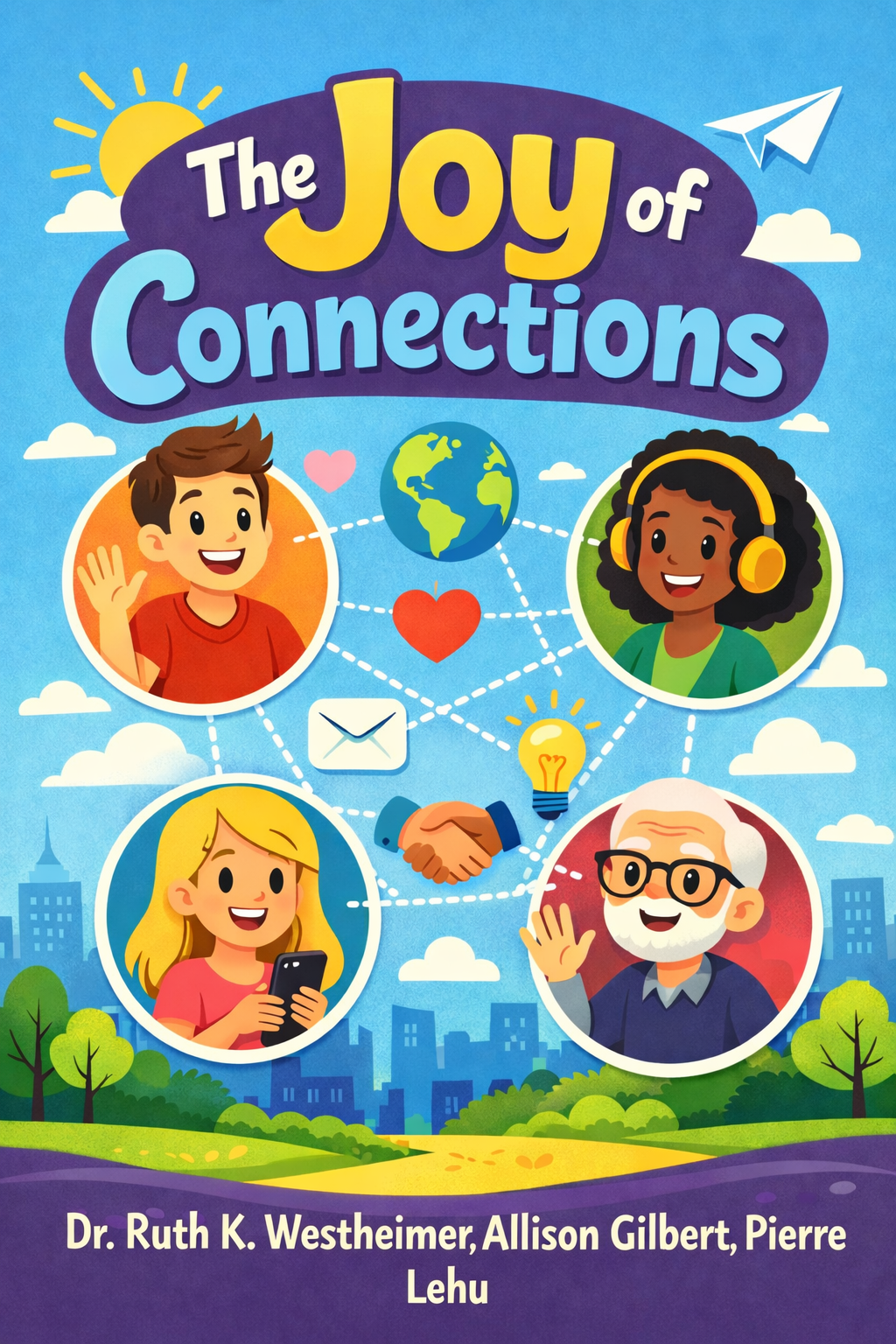
Description
The profound human need for connection is explored through a deeply personal and practical lens. The narrative begins with a poignant reflection on the author’s own experiences with devastating loneliness, from childhood separation to adult isolation following a severe injury. These experiences are not presented as tragedies alone, but as the foundational lessons that shaped a powerful understanding: loneliness is not defined by physical solitude, but by the absence of meaningful, supportive bonds. This emotional disconnection carries a heavy toll on both mental and physical well-being. However, the core message is one of hope and agency, asserting that this state is not a permanent sentence but a challenge that can be met and overcome with deliberate, compassionate effort.
The journey out of loneliness starts from within. Before reaching out to others, one must first turn inward with honesty and kindness. This involves a courageous self-assessment, confronting the feeling of loneliness directly rather than hiding from it. A simple yet powerful exercise is suggested: standing before a mirror and verbally acknowledging, “I feel lonely.” This act of recognition disarms the feeling’s power. From this starting point, the work of self-acceptance begins. Building a foundation of self-respect and understanding is crucial, as it is difficult to receive love and connection from others if one does not first extend it to oneself. This internal work also involves examining daily habits that may reinforce isolation, such as passive routines, and consciously replacing them with activities that create opportunities for interaction, however small. Even one’s personal appearance and demeanor are considered, not for vanity, but for the signals they send about openness and approachability to the world.
With a stronger internal foundation, the focus expands to the first circle of connection: family. These relationships offer a unique sense of belonging and security, but they are often complex and can be sources of strain or loss. The philosophy offered here emphasizes mindset and proactive effort. Choosing optimism, even in small gestures, can open doors to mending strained ties. Actively participating in family events, practicing deep and non-judgmental listening, and allowing oneself to be vulnerable by appointing a trusted “ambassador” within the family for confiding feelings are all practical steps. For those without biological family, the concept is expanded to encourage the nurturing of close friendships into a “chosen family,” providing the same essential network of support and belonging.
The realm of friendships and romantic partnerships is approached with the care of a gardener tending a plot. It requires intention, variety, and active cultivation. Rather than searching for a single perfect “best friend,” there is value in appreciating the different qualities and supports offered by a diverse circle of connections. The emphasis is on seeking out those whose presence is uplifting and engaging in shared experiences that move beyond superficial acquaintance. For romantic relationships, maintaining physical and emotional closeness is highlighted as a vital guard against isolation, with an encouragement to creatively adapt intimacy over time. The overarching principle is to embrace social opportunities, say “yes” more often, and be open to connections that might initially seem outside one’s usual comfort zone.
A sense of belonging extends into the wider community, which can be engaged to make even a large, impersonal city feel like a connected neighborhood. This involves actively seeking out and participating in communities of interest, whether based on work, hobbies, faith, alumni associations, or local neighborhood centers. The advice is to start with activities that genuinely spark interest, as enthusiasm naturally eases social anxiety. Simple, old-fashioned neighborly interactions—borrowing an item, offering help—are presented as effective tools for building local bonds. For those navigating specific hardships, joining a professionally facilitated support group can provide a structured and understanding environment for connection, ensuring conversations remain constructive and supportive.
Finally, the role of modern technology is addressed with nuance. While digital tools offer unprecedented ways to maintain contact across distances, they also present a significant risk of promoting shallow interaction and displacing real-world connection. The key is conscious balance. Technology should be used as a bridge to facilitate face-to-face meetings or sustain relationships when physical presence isn’t possible, not as a replacement for them. Setting boundaries on screen time, especially during meals or social gatherings, is essential to ensure that devices do not become barriers to the very connections we seek to foster. By integrating these strategies—from inner work to family, friendship, community, and mindful technology use—the path out of loneliness becomes clear. It is a gradual, compassionate process of building what might be called a personal “menu of connection,” where small, consistent choices lead to a richer, more deeply engaged life.