Description
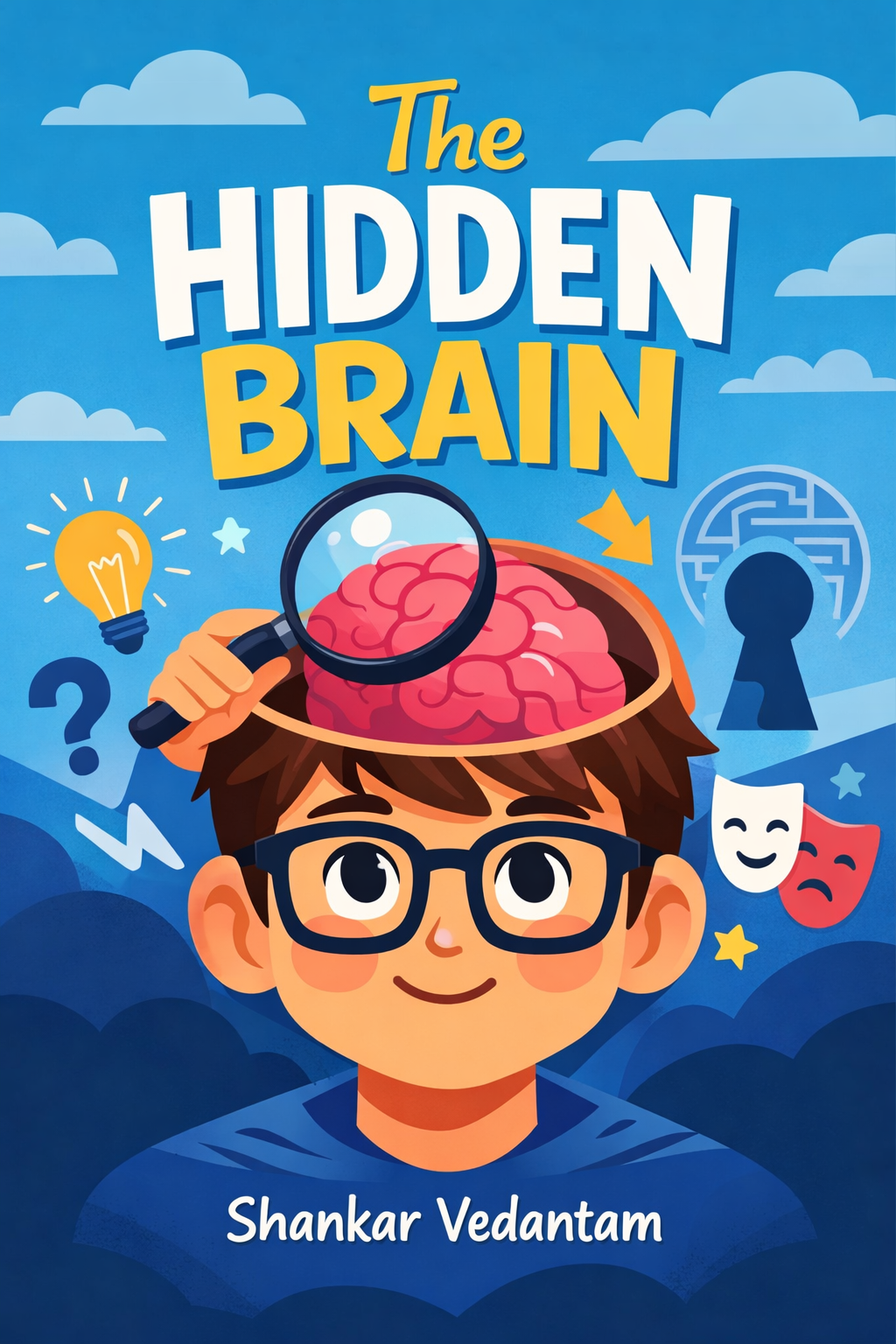
In this compelling exploration of the human mind, the author delves into the vast, unconscious realm that governs much of our lives. This hidden system, operating below the surface of our conscious thoughts, is a powerful force that influences everything from the trivial decisions of daily life to our most profound moral judgments and social interactions. It is the autopilot of the brain, handling countless tasks with remarkable efficiency, yet it also harbors the roots of our implicit biases, irrational fears, and social blind spots. The book masterfully argues that while we perceive ourselves as rational actors steering our own ship, we are often merely passengers, with this hidden machinery charting the course.
The narrative begins by illustrating how this hidden system shapes individual perception and decision-making. Through vivid stories and accessible science, we see how it allows us to navigate a complex world by relying on mental shortcuts and ingrained patterns. A firefighter makes a split-second decision to evacuate a building moments before the floor collapses, not through conscious analysis, but because his trained subconscious recognized subtle cues of danger that his conscious mind had not yet processed. This is the hidden brain at its best—swift, intuitive, and life-saving. Yet, the same system can lead us astray. It is responsible for the sinking feeling we dismiss as irrational anxiety, or the snap judgments we make about strangers based on superficial traits like accent or appearance. Our conscious mind, the book suggests, is often left to concoct logical-sounding reasons for choices and feelings that originate in this hidden depths.
The scope then expands to examine the colossal influence of this hidden force on our social world and group behavior. The author presents a sobering analysis of how unconscious biases infiltrate workplaces, courtrooms, and police interactions, often with devastating consequences. These are not the prejudices of overt racists or sexists, but the automatic associations held by well-intentioned people who genuinely believe in equality. The hidden brain can cause a manager to overlook a qualified candidate, a jury to misinterpret evidence, or a police officer to perceive a threat where none exists, all based on deep-seated patterns the individual would consciously reject. The book argues that recognizing this disconnect between our conscious values and unconscious impulses is the first, crucial step toward mitigating their harmful effects.
Perhaps most intriguing is the exploration of how this hidden system mediates our response to large-scale social problems. The author demonstrates why statistics about distant tragedies—a famine killing thousands, a tsunami devastating a coastline—often fail to move us to action, while the story of a single, identifiable child in peril can mobilize immense resources and empathy. Our hidden brain is wired for concrete, personal connection, not for abstract numbers. This “identifiable victim effect” explains much about the failures of humanitarian response and charitable giving. Similarly, the hidden brain struggles to comprehend gradual, long-term threats like climate change, which lack a sudden, dramatic signal to trigger our alarm systems. Understanding these cognitive limitations, the book posits, is essential for crafting messages and policies that can effectively engage our moral instincts.
The work does not leave the reader in a state of helpless determinism. Instead, it empowers by promoting awareness. By understanding the architecture and triggers of our hidden mental processes, we can design smarter environments and institutions to correct for its flaws. Just as a pilot uses instruments to fly through fog, we can use checks and balances, deliberate procedures, and conscious reflection to override our automatic pilots when accuracy and fairness are paramount. The final message is one of nuanced hope: we may never be fully in control of the hidden currents that move us, but we can learn to recognize their flow, adjust our sails, and build societal structures that help us all navigate toward better, more rational, and more compassionate outcomes.