Description
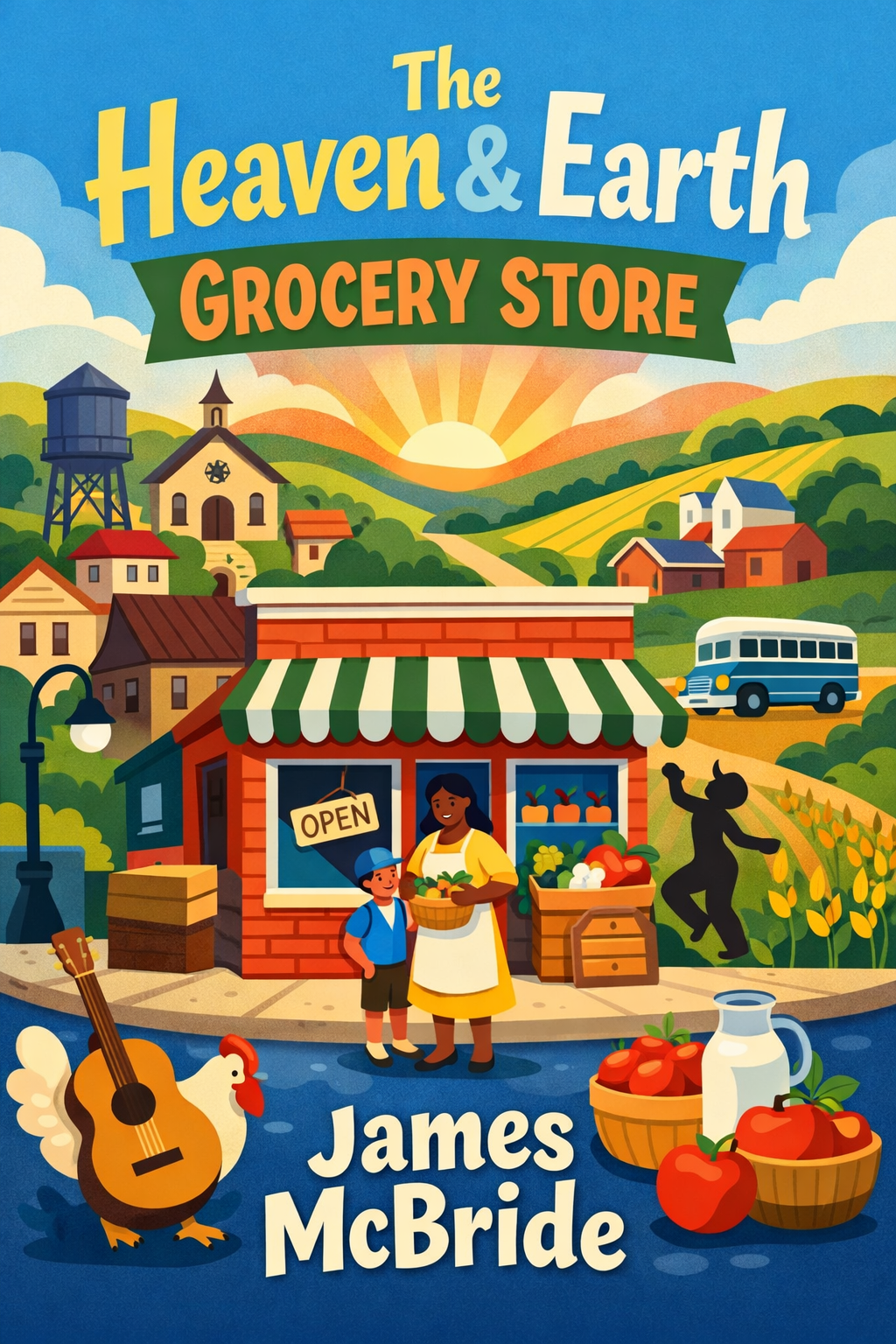
In the small town of Pottstown, Pennsylvania, the discovery of a skeleton at the bottom of an old well in 1972 unlocks a long-buried story of community, secrecy, and resilience. The narrative then winds back to the 1930s, to the Chicken Hill neighborhood, a place where Jewish immigrants and Black families, both marginalized by the white Protestant mainstream, live side-by-side in a precarious but vibrant alliance. At the heart of this community is the Heaven & Earth Grocery Store, run by Moshe and Chona Ludlow. Moshe operates a struggling theater and dreams of a broader audience, while Chona, physically disabled from polio, runs the grocery with a fierce, principled generosity, often giving credit to those in need and treating all customers with equal dignity.
The fragile equilibrium of Chicken Hill is shattered when the state authorities target a twelve-year-old deaf Black boy named Dodo for removal to the Pennhurst State School, a notorious institution where the disabled are essentially discarded. Dodo, orphaned and unable to speak, is under the care of his aunt and uncle, Nate and Addie Timblin, who work for the Ludlows. Recognizing the grave threat—that sending Dodo to Pennhurst is a death sentence—the Timblins turn to Chona and Moshe for help. Without hesitation, the Ludlows agree to hide the boy, an act of defiance that places their entire community at risk.
What unfolds is a masterfully woven tapestry of lives intersecting under pressure. The effort to protect Dodo becomes a collective mission that binds the residents of Chicken Hill together. A colorful and determined cast of characters emerges: Malachi, a charismatic Black musician and laborer with a complex past; Fatty, the pragmatic and observant Jewish butcher; and even the local rabbi, who must reconcile religious law with human necessity. Their plan is fraught with danger, requiring ingenious deception, absolute silence, and a network of trust that stretches across racial and religious lines. They must outmaneuver a bigoted and corrupt doctor and a scheming town clerk who sees the cleanup of Chicken Hill as a path to progress and profit.
The novel is far more than a thriller about a hidden child. It is a profound exploration of the meaning of community forged not from sameness, but from shared exclusion. James McBride paints a portrait of America where the so-called outsiders create their own center, a world rich with music, argument, faith, and food. The Heaven & Earth Grocery Store itself becomes a symbol of this fragile ecosystem—a place where earthly struggles for survival meet heavenly aspirations for justice and belonging. Chona’s stubborn idealism, her refusal to see people as anything less than human, becomes the moral engine of the neighborhood.
As the authorities close in, the stakes escalate from the safety of one boy to the survival of the entire neighborhood’s way of life. The tension culminates in a series of desperate, courageous acts that seal the community’s fate and bury its secrets for decades. The mystery of the skeleton in the well is finally explained not as a simple crime, but as a tragic and loving sacrifice, a testament to the lengths to which people will go to protect their own. The story ultimately reveals that the true wealth of Chicken Hill was never in its modest homes or businesses, but in the invisible web of mutual obligation and love that held its people together, a legacy that echoes from the depths of a well into the future.