Description
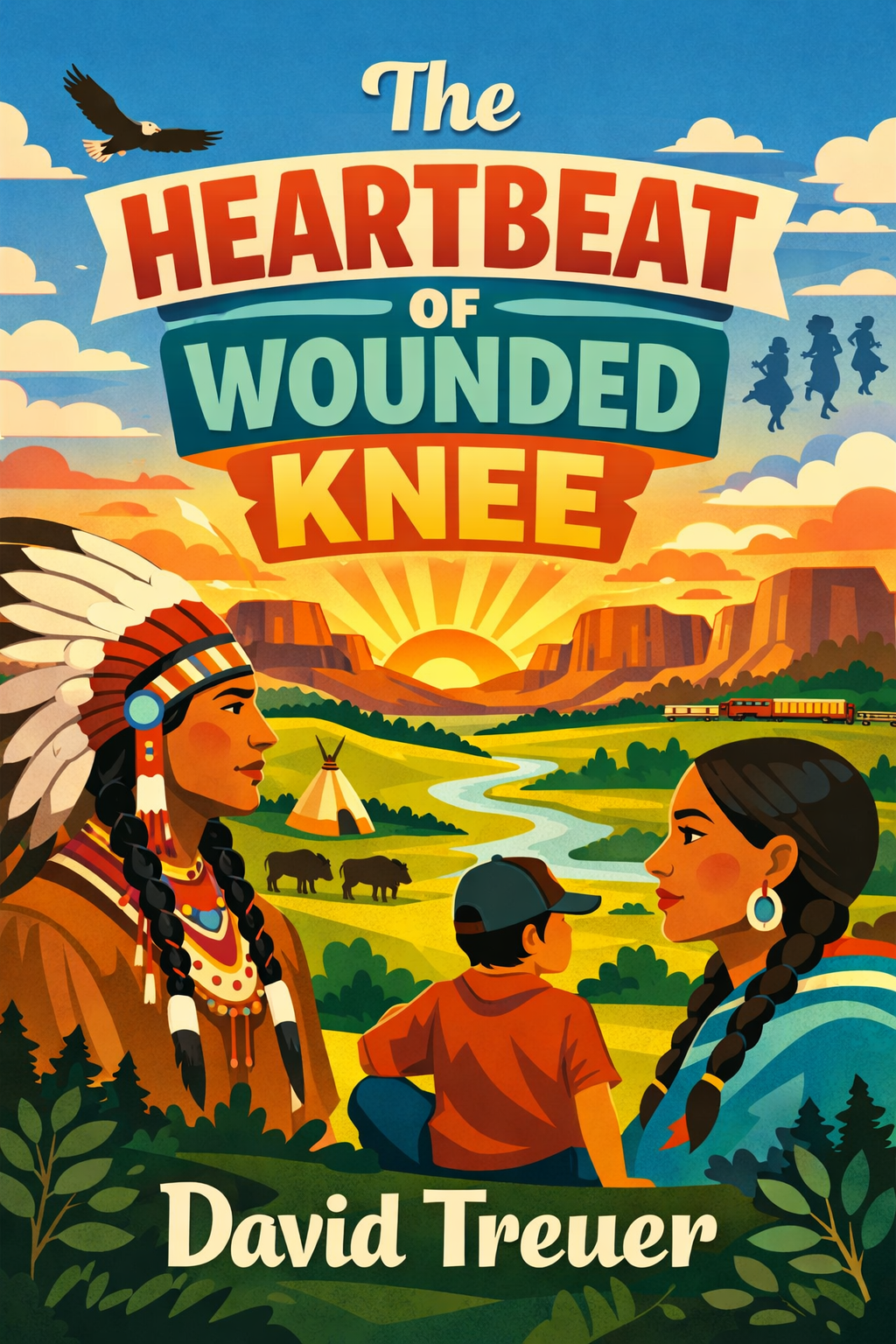
The common narrative suggests that Native American history essentially concluded with the 1890 massacre at Wounded Knee Creek, relegating Indigenous peoples to a static, fading footnote. This book powerfully dismantles that myth, chronicling the dynamic, complex, and ongoing story of Native American life throughout the twentieth century and into the present. It reveals a history not of disappearance, but of profound adaptation and persistent heartbeat.
The massacre itself was a brutal punctuation mark, but not a period. In December 1890, the U.S. Seventh Cavalry intercepted a band of Miniconjou Lakota led by Spotted Elk, culminating in a horrific confrontation at Wounded Knee Creek that left hundreds of Lakota men, women, and children dead. This event was seared into national memory as a symbol of an ending. However, for Native nations, it was a devastating chapter within a much longer story of resistance and survival. The aftermath saw the U.S. government intensify assimilation campaigns, most notoriously through the system of Indian boarding schools. Children were forcibly removed from their families, their hair cut, their languages forbidden, and their cultural identities systematically attacked under the guise of education. These institutions inflicted deep trauma, yet they also inadvertently fostered a pan-Indian identity by bringing together youth from disparate tribes, planting seeds for future collective action.
Federal policy continued to assault tribal foundations through the allotment system. The Dawes Act of 1887 broke up communally held reservation lands into individual parcels, a move that stripped away millions of acres through “surplus” sales and swindles, plunging many communities deeper into poverty and fracturing traditional social structures. Despite this onslaught on their land and culture, Native Americans demonstrated unwavering commitment to the nation that sought to erase them. Their service in both World Wars was extraordinary, with the highest rate of enlistment of any minority group in WWI. Renowned figures like Ojibwe sniper Francis Pegahmagabow earned legendary status, while the use of Native languages as unbreakable codes by Choctaw and later Navajo “code talkers” proved invaluable. This service abroad highlighted the stark contradictions of fighting for freedom overseas while being denied basic rights at home, fueling a new political consciousness.
That consciousness ignited in the post-war era, culminating in the activist fervor of the American Indian Movement (AIM). Through dramatic protests like the occupation of Alcatraz and Wounded Knee in 1973, AIM forcefully brought issues of treaty rights, sovereignty, and poverty into the national spotlight. This activism paved the way for a significant shift in federal policy and tribal economics. The rise of reservation-based gaming, following key legal victories, proved transformative for some communities. Casinos generated unprecedented revenue for education, healthcare, and infrastructure, fostering a measure of economic self-determination that had been systematically denied for generations.
The story does not end with activism or casinos. It flows into the present day, where Native Americans are navigating modernity on their own terms. From the revitalization of languages and cultural practices to leveraging social media for connection and advocacy, contemporary Indigenous life is marked by both challenge and remarkable vitality. The narrative of tragedy is incomplete; it is joined by one of artistic flourishing, intellectual leadership, and political resilience. The heartbeat that persisted through the darkness of Wounded Knee continues, strong and vibrant, writing new chapters in an ancient, unbroken story. This book is that heartbeat given voice, a necessary correction to the historical record and a testament to enduring survival.