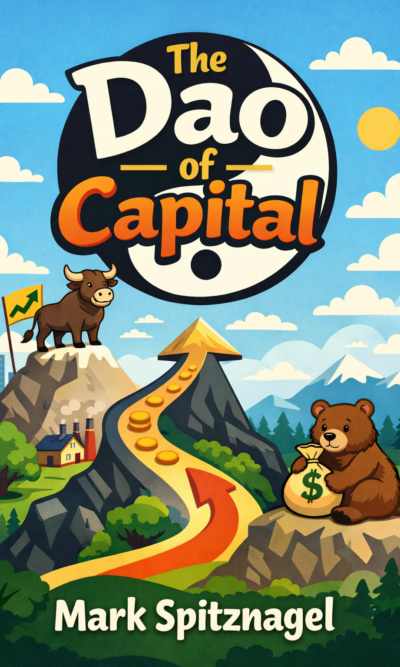
Description
The modern financial landscape has transformed, leaving individuals to navigate their own path to security. Gone are the days of guaranteed employer pensions, replaced by the personal responsibility of funding one’s own future. This shift has spawned widespread insecurity, a feeling compounded by our own instincts, which often urge us to sell investments when prices are low and buy when they are high—the exact opposite of sound strategy. True wealth management, therefore, begins not with complex formulas, but with understanding the interplay between our psychology and our finances.
We possess a surprising degree of agency in our financial lives, despite forces beyond our control. Our minds operate on two levels: a fast, instinctual system that reacts to perceived threats and opportunities, and a slower, rational system capable of deliberate analysis. While the fast brain might trigger panic selling during a market dip, the slow brain allows us to assess long-term trends and make calculated decisions. Cultivating the habit of engaging this deliberate, rational mind is the first step toward taking charge of the significant portion of our financial happiness that lies within our influence.
A cornerstone of this rational approach is a philosophy of risk management championed by history’s most successful investors. The goal is not to eliminate risk, which is impossible, but to meticulously minimize exposure to catastrophic loss. This mirrors a pragmatic wager: prioritize decisions where the potential downside is limited and manageable. In practice, this means diversifying investments, purchasing appropriate insurance, and, most importantly, developing the patience to act only when the odds are convincingly in your favor. The aim is to build a portfolio that can withstand inevitable downturns without being devastated.
With this mindset established, practical planning can begin. The foundational act is calculating your net worth—a clear-eyed tally of all assets minus all liabilities. This annual exercise provides an honest snapshot of your financial health and a baseline from which to grow. From here, you can define meaningful goals, whether it’s saving for a home down payment or building a retirement nest egg. These targets transform abstract saving into a purposeful mission, allowing you to craft a tailored plan and track your progress with intention.
This journey is as much about internal wealth as external accumulation. Cultivating gratitude and humility is profoundly beneficial for both your psyche and your wallet. By consciously appreciating what you already have, and acknowledging the role of luck and support from others in your achievements, you foster a sense of contentment. This contentment acts as a bulwark against the corrosive habit of comparison, which often drives unnecessary spending on status symbols. A grateful mindset naturally aligns with more thoughtful, value-based consumption.
This principle of simplicity extends directly to financial decision-making. In a world obsessed with complex investment products and speculative trends, the most reliable path is often the simplest one. Complexity frequently masks high fees and unnecessary risk. A straightforward, well-diversified portfolio of low-cost investments, consistently funded over time, is extraordinarily difficult to beat. Good investing isn’t about predicting every market twist; it’s about constructing a resilient system you can stick with through various cycles.
Embracing this simplicity requires acknowledging the inherent uncertainty of markets. Investing is not a precise science. While historical averages suggest a positive long-term return from equities, the range of short-term outcomes is wildly variable. The successful investor accepts this uncertainty, avoids the illusion of total control, and remains steadfastly committed to their long-term plan despite the inevitable volatility. This disciplined, psychologically-aware approach—balancing rational planning, prudent risk management, and an attitude of gratitude—charts a course toward a wealth that is measured not just in currency, but in resilience and peace of mind.