Description
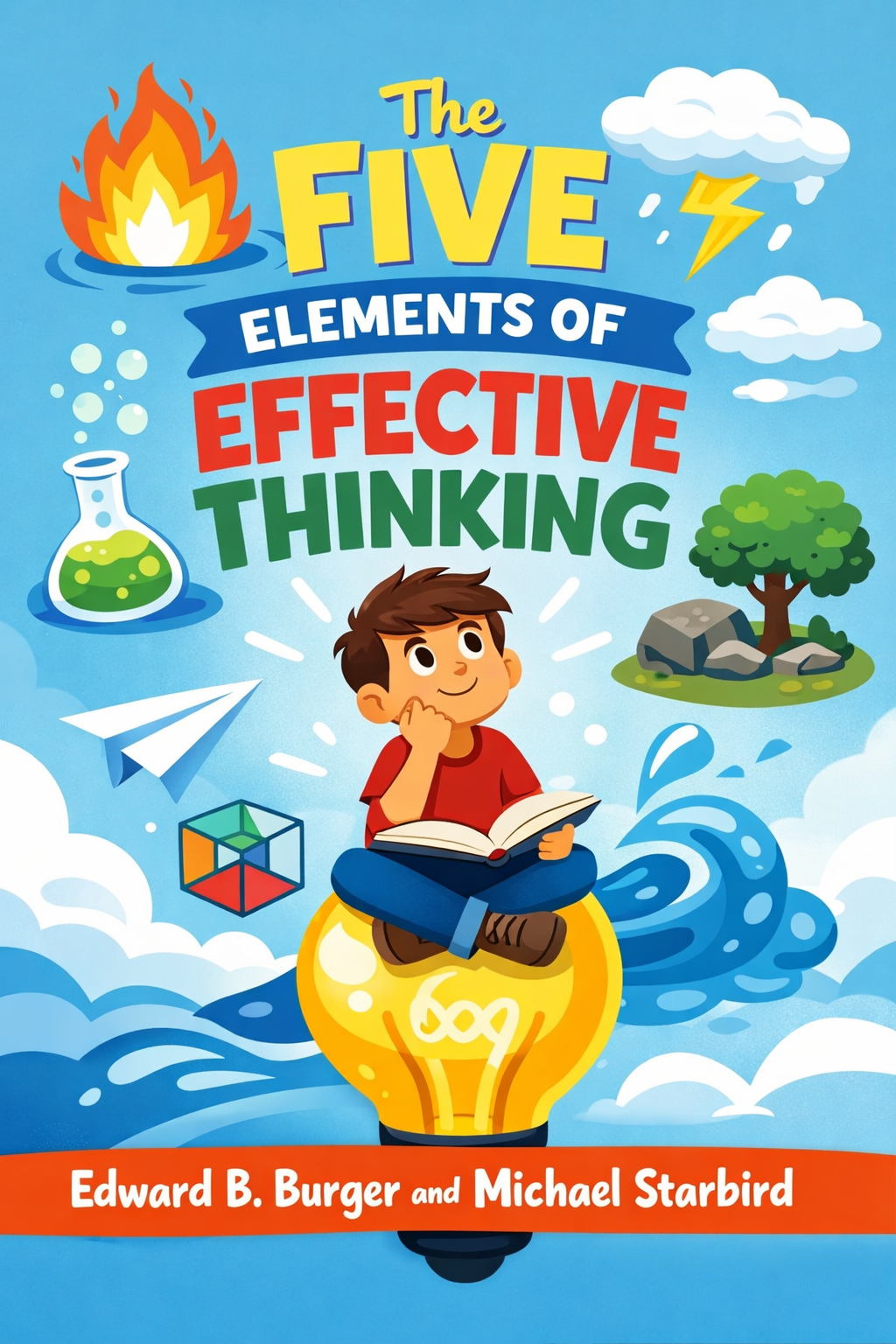
The journey to becoming a more effective thinker is not about acquiring secret knowledge, but about cultivating a fundamental shift in how you approach understanding and problem-solving. This philosophy is built upon four core principles, each offering a distinct mindset to navigate complexity and spark innovation.
True expertise in any field begins not with the most advanced techniques, but with a deep and unwavering command of the basics. Just as the earth forms the foundation for everything built upon it, mastering simple, core concepts creates the solid ground from which all complex understanding grows. A common trap is to rush toward sophistication, but genuine mastery comes from continually refining and perfecting the elementary components. When faced with a daunting challenge, the most powerful strategy is to deconstruct it into its most fundamental parts. By conquering each basic element, you build a reliable structure capable of supporting the weight of the most ambitious goals. Furthermore, to solve a problem, you must first see it clearly, stripping away assumptions and inherited wisdom. Look deliberately at only what is directly in front of you and consciously identify what is absent. This practice of seeing the essence—the core truth hidden by distraction—allows you to frame the real issue, often leading to solutions that were previously invisible.
Progress is inextricably linked to missteps. The path to genuine success is paved with instructive failures. Every mistake contains vital information; to ignore it is to waste a precious resource. The most transformative breakthroughs often arise from the ashes of ideas that didn’t work as intended. By rigorously analyzing what went wrong and why, you gain invaluable insight that guides your next attempt. This requires adopting an attitude that not only accepts failure but actively seeks it as a source of knowledge. Give yourself permission to be wrong, repeatedly, viewing each attempt as a necessary step that brings you closer to a solution. You can even accelerate learning by intentionally pushing ideas to their breaking points or by brainstorming without any initial filter for quality. This process of purposeful experimentation, where failure is a welcomed teacher, liberates you from the paralysis of perfection and fuels relentless innovation.
Curiosity is the engine of deep understanding. To move beyond superficial knowledge, you must cultivate the habit of asking questions—especially about things you believe you already know. Imagine you must teach a concept to someone else; the act of preparation will inevitably reveal gaps in your own comprehension. Forcing yourself to articulate the “why” and “how” solidifies knowledge and exposes hidden complexities. Adopt a mindset of playful inquiry, constantly wondering “what if?” and following those threads without immediate judgment. This practice acts like a constant breeze, clearing away the fog of assumption and opening pathways to new connections. The quality of your answers is directly determined by the quality of your questions. By refining your inquiries, you sharpen your focus and guide your thinking toward more elegant and effective solutions.
Finally, no idea is an isolated creation. Every new thought is a recombination or evolution of existing concepts. Recognizing this interconnectedness allows you to build systematically. View each solution not as a final destination, but as a new starting point—a platform for the next iteration. Ask how an idea can be adapted, extended, or combined with another. This continuous flow of development, where today’s answer becomes tomorrow’s question, is the hallmark of dynamic thinking. Implementing these four elements requires a conscious commitment to change, a willingness to slow down, question, stumble, and rebuild. By grounding yourself in fundamentals, learning through trial, interrogating your understanding, and steadily building upon the ideas of yourself and others, you develop a resilient and creative mind capable of thinking effectively in any situation.