Description
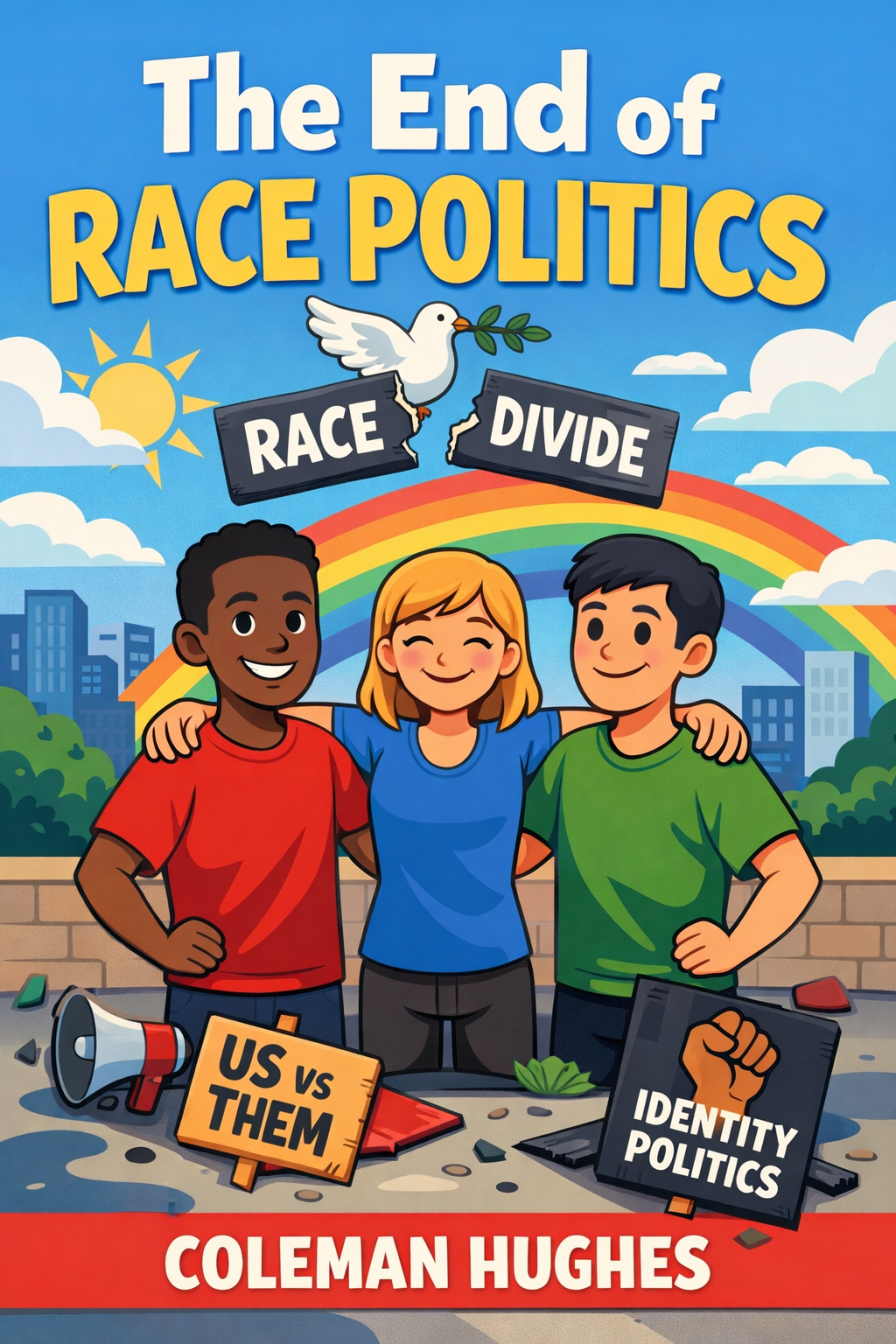
In a time of intense social division, a provocative argument emerges: the very movement claiming to combat racism has, in many ways, become its own insidious form of it. This book presents a challenging critique of contemporary racial discourse, urging a return to the foundational principles that once guided the fight for civil equality. It contends that by fixating on race and endorsing differential treatment based on skin color, we have strayed from the path charted by historical leaders and are fostering new injustices under a different name.
The analysis begins by drawing a crucial distinction. Traditional racism is defined as the belief in the inherent inferiority of a people based on their race. The civil rights movement fought this with the ethical principle of colorblindness—the idea that we should strive to treat individuals without regard to race, judging them by character alone. Today, however, a new ideology has risen. This framework, termed neoracism, inverts old prejudices while maintaining a racialized worldview. It often stereotypes white people as collectively morally compromised, justifies discrimination against them as a form of justice, and redefines racism in a way that exclusively focuses on power structures, thereby excusing prejudice directed at certain groups. This ideology, the book argues, is a betrayal of the universalist, human-centered vision that once united activists.
To understand this shift, we must revisit history. The concept of a colorblind society is not a modern conservative invention but was the driving force behind the abolition of slavery and the dismantling of Jim Crow. Figures from Wendell Phillips to Dr. Martin Luther King Jr. championed the idea that the law and society should make no distinctions based on skin color. Landmark achievements like the Civil Rights Act of 1964 codified this ideal into law. Within a few years, however, this consensus fractured. The embrace of race-conscious policies like affirmative action, while well-intentioned, marked a departure from the strict colorblind principle. The book posits that this was the first step onto a slippery slope, gradually replacing the goal of a unified society with one permanently conscious of racial categories.
This neoracist ideology is no longer confined to academic journals; it has been institutionalized. The book provides stark examples: government policies that allocate public benefits based on racial identity rather than individual need, universities hosting racially segregated events and promoting the idea that certain intellectual values are inherently “white,” and media narratives that apply glaring double standards in coverage while promoting historically revisionist projects. These practices, often implemented in the name of equity, are framed as a form of sanctioned discrimination. They teach a new generation to see themselves and each other primarily through the lens of race, potentially breeding resentment and undermining the very social harmony they claim to seek.
Its popularity, the argument continues, is fueled by our modern information ecosystem. Social media platforms and a 24/7 news cycle reward emotionally charged, tribal content. Neoracism, with its focus on grievance and conflict, spreads efficiently in this environment, while more nuanced appeals to common humanity struggle for attention. Furthermore, as traditional religious institutions that once provided a unifying moral narrative have declined, this racialized ideology has filled a spiritual vacuum, offering a sense of identity and purpose, albeit a divisive one.
The entire structure rests on what the book identifies as central myths. The most pervasive is the disparity fallacy: the assumption that any statistical difference in outcomes between racial groups is automatically proof of present-day racism. This ignores a complex web of factors including culture, geography, family structure, and personal choice. By attributing all gaps to systemic bias, the narrative creates a picture of pervasive, inescapable oppression that can be disempowering. Another powerful myth is the concept of “lived experience” as an unassailable form of knowledge that trumps data and reasoned debate. While personal stories are valuable, when elevated to an absolute authority that cannot be questioned, they can shut down productive discussion and enforce ideological conformity.
So, what is the path forward? The proposed solution is consciously to move away from a framework that constantly highlights racial difference. This does not mean ignoring real instances of discrimination, which must be addressed forcefully and specifically. It means shifting the cultural emphasis toward our shared identity as individuals and citizens. The goal is to build a society where race diminishes in personal and political significance, not one where it is forever central. This vision involves rejecting the neoracist narrative, championing policies that help all people in need regardless of background, and reviving the powerful, unifying ideal that human dignity is inherent and universal, not contingent on group identity. The book concludes that the true, unfinished work of the civil rights movement is to finally realize a society where people are truly seen for who they are, not what they look like.