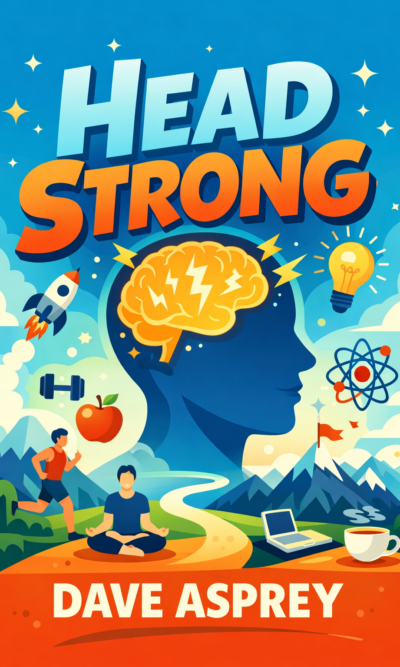
Description
For decades, Alzheimer’s disease has been viewed as an unstoppable force of aging, a grim diagnosis with no meaningful treatment. This perspective is not only disheartening but, according to emerging science, fundamentally incorrect. The journey of Claudia, a 78-year-old woman who regained her speech and independence after targeted interventions, challenges the very notion that cognitive decline is a one-way street. While such dramatic recovery is not the norm, her story illuminates a critical truth: Alzheimer’s is not a singular disease but a protective response of the brain to a multitude of biological insults. By understanding and addressing these root causes, we can shift from managing an inevitable decline to actively protecting and restoring cognitive function.
The conventional view of Alzheimer’s as an unavoidable consequence of getting older misses a crucial window of opportunity. The disease process often begins silently, decades before symptoms like memory loss become apparent. This decline is not random failure but a strategic retreat. When faced with chronic threats—such as inflammation, toxic exposure, or nutrient deprivation—the brain downshifts from growth and connection to a protective, energy-conserving state. This survival mechanism, while initially beneficial, leads to the downsizing of neural networks and the symptoms we label as Alzheimer’s. Therefore, the key to treatment is not to attack the brain’s defensive response but to identify and remove the threats forcing it into retreat in the first place.
This understanding reveals why hundreds of drug trials targeting a single “magic bullet” have failed. Alzheimer’s arises from a complex, personalized interplay of factors including genetics, metabolism, chronic inflammation, hormone imbalances, and environmental toxins. A pill designed for a uniform condition cannot address this intricate web. Success requires a personalized, systems-based approach. This is the foundation of a pioneering protocol that moves beyond symptom management to target the specific biological drivers of decline in each individual. By using detailed biomarker testing to create a unique profile, interventions can be tailored to optimize everything from insulin sensitivity and hormone levels to nutrient status and detoxification pathways.
Nutrition forms a cornerstone of this brain-defense strategy. The modern diet, high in processed foods and sugars, often keeps the brain locked into using glucose for fuel—a system that becomes inefficient with age and insulin resistance. Adopting a dietary approach that emphasizes non-starchy vegetables, healthy fats, and clean proteins, while incorporating periods of fasting, trains the body to produce ketones. These molecules provide a cleaner, more efficient alternative fuel for the brain, stabilizing energy and reducing inflammation. Furthermore, specific nutrients like omega-3 fatty acids, B vitamins, and antioxidants directly support synaptic health, reduce neural inflammation, and aid the body’s natural detoxification processes, creating an internal environment where the brain can thrive rather than merely survive.
However, food is just one piece of the puzzle. True cognitive resilience is built through the integration of movement, rest, and stress management. Physical exercise, particularly a mix of strength training and aerobic activity, stimulates the production of growth factors that encourage neuroplasticity—the brain’s ability to rewire and form new connections. Sleep is not passive downtime but an essential period of nightly maintenance, where the brain clears metabolic waste and consolidates memories. Chronic sleep disruption or conditions like sleep apnea directly impair this process. Similarly, unmanaged stress floods the system with cortisol, a hormone that can damage the hippocampus, a brain region vital for memory. Practices like meditation, along with maintaining rich social connections and engaging in lifelong learning, provide the cognitive stimulation and emotional balance necessary for long-term brain health.
The empowering conclusion is that cognitive destiny is not written solely in our genes. While genetic risk factors like the ApoE4 allele exist, their expression is heavily influenced by lifestyle. The protocol demonstrates that through early detection and a committed, holistic program addressing diet, exercise, sleep, stress, and toxin exposure, it is possible to prevent, slow, and in some cases, reverse the trajectory of cognitive decline. The stories of individuals like Nina, who restored her cognitive function before obvious symptoms emerged, and the documented vitality of elders in regions like Okinawa, who maintain sharp minds through traditional lifestyles, provide a powerful blueprint. The end of Alzheimer’s as an incurable scourge begins with a paradigm shift: viewing the brain not as a passive victim of time, but as a dynamic organ that responds profoundly to how we choose to live.