Description
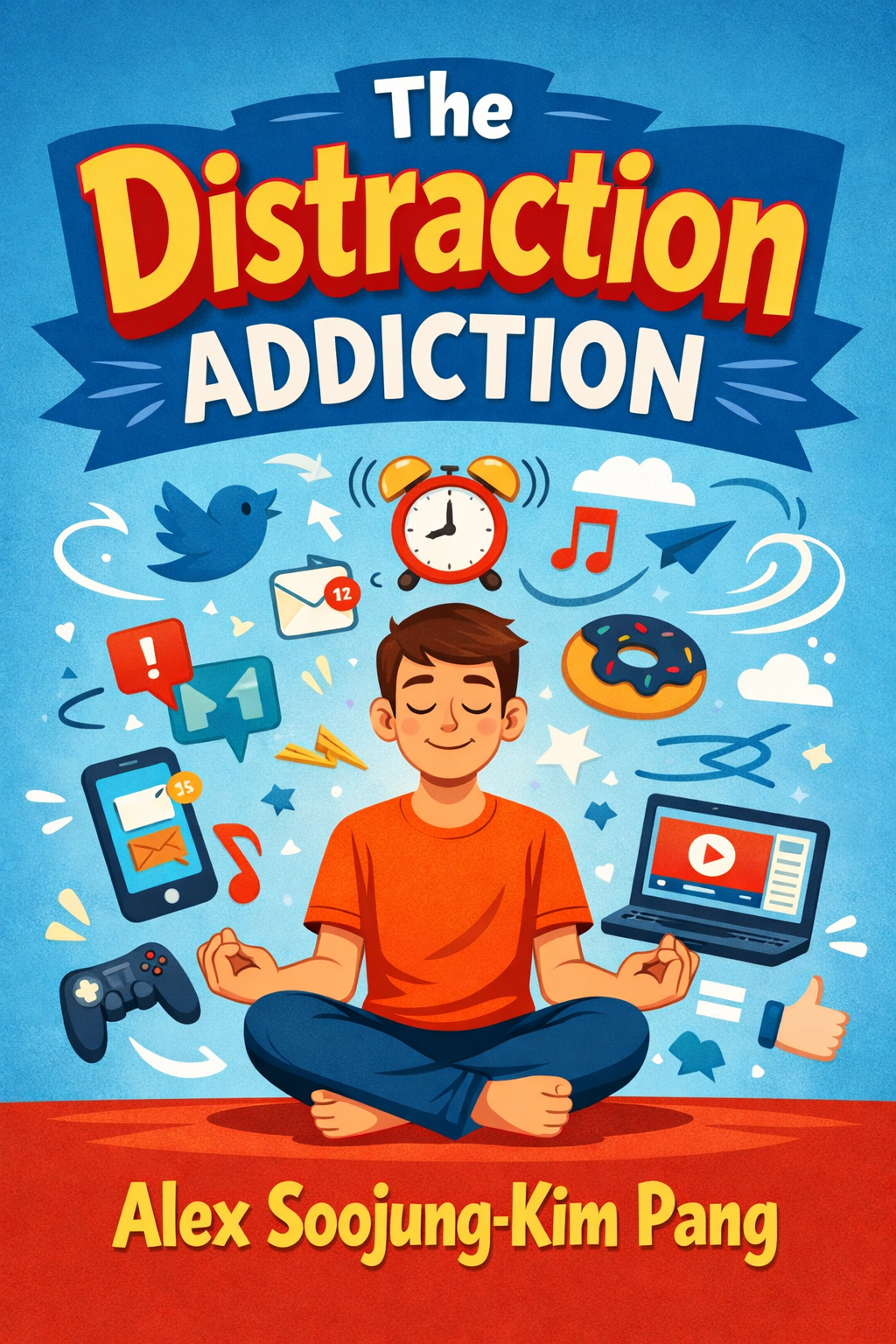
Our digital world is a double-edged sword, offering boundless information and connection while simultaneously fragmenting our attention. The constant pings, notifications, and tabs pull us in countless directions, leaving us feeling drained and unable to concentrate on what truly matters. This condition isn’t just an annoyance; it mirrors the language and experience of addiction. Studies reveal that people separated from their devices report genuine cravings and withdrawal, experiencing phantom vibrations as their nervous systems recalibrate to an unnatural silence. But this relationship with technology doesn’t have to be one of dependency. The core argument is that we can transform this dynamic from one of slavery to one of skillful partnership, using our devices as extensions of our will rather than as sources of endless distraction.
The first step in this reclamation is understanding a critical modern myth: multitasking. What we often praise as multitasking is, in neurological reality, “switch-tasking.” True multitasking involves coordinating related activities toward a single goal, like preparing a complex meal. Switch-tasking, however, is the frantic jumping between unrelated tasks—writing an email, checking a news alert, responding to a message. Each switch carries a cognitive cost, slowing us down and increasing errors, as our brains must disengage from one context and reload another. The solution isn’t to try harder but to design our environments to minimize these costly switches. This can involve using tools that create a distraction-free digital space, stripping away formatting options and notifications to allow for deep, immersive work where focus can flourish naturally.
This external design must be paired with internal training. Here, ancient wisdom and modern neuroscience converge on a single point: mindfulness. Distraction is not merely an external event but a reflection of an internal state. A buzzing phone doesn’t *cause* distraction; it exploits a mind already prone to wandering. Practices like meditation train the mind to settle into the present moment, building the mental muscle of attention. Remarkable studies on seasoned meditators show tangible, physical changes in the brain, with heightened activity in regions associated with focus, compassion, and emotional regulation. This cultivated calm becomes a portable sanctuary, allowing one to engage with technology from a place of choice rather than compulsion, to use a social network or search engine with purpose and then disconnect with ease.
Technology itself is evolving in a way that deepens our connection to it, making mindful engagement even more crucial. As interfaces become more interactive and responsive, we instinctively relate to them more socially, as hinted at by research showing we find persuasive avatars that mirror our own expressions. This powerful connection can be harnessed for good—such as using a virtual reality version of one’s future self to motivate exercise—but it also demands greater awareness. We must consciously shape these interactions to serve our goals, not undermine them.
Ultimately, defeating distraction addiction is about more than productivity hacks; it’s about designing a meaningful life. This involves intentional rituals and physicality. The simple, rhythmic act of walking, a practice that helped Darwin synthesize his world-changing ideas, can clear mental clutter and spark creativity. It’s about contemplative design in our physical spaces and daily routines, creating buffers between ourselves and the digital torrent. The final, most profound step is to audit our digital lives, identifying the applications and habits that feel truly addictive—those that pull us in against our better judgment—and having the courage to limit or switch them off. By doing so, we reclaim our attention, our time, and our capacity to connect deeply with our own thoughts, our work, and the people right in front of us. The goal is not to reject the digital world, but to enter it with eyes wide open, using its tools to build a life of focus, flow, and purpose.