Description
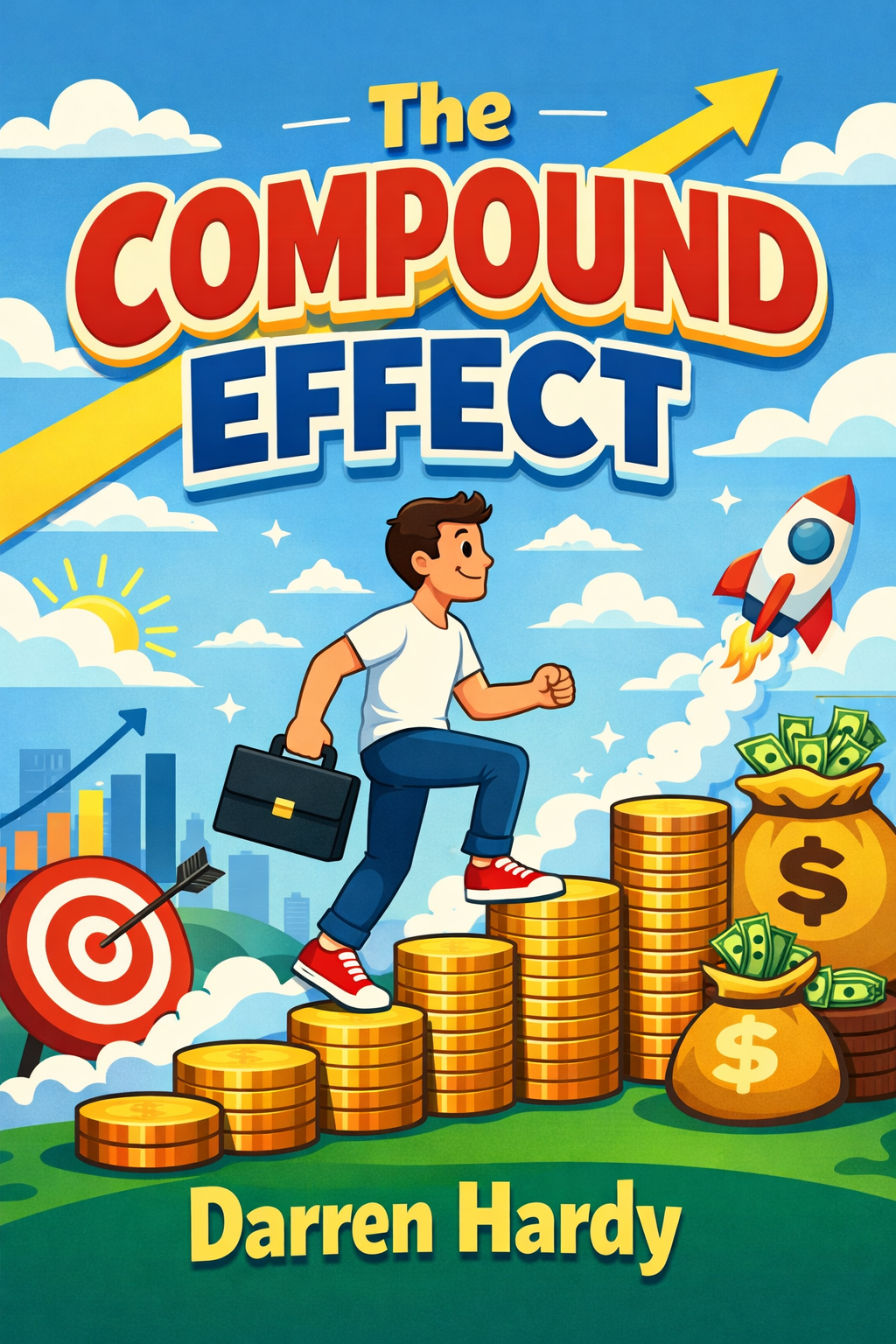
The central idea of this work is both simple and profound: monumental success is not the product of a single, explosive event, but the inevitable result of small, smart choices, consistently applied over time. This is the principle of compounding, applied not to finance, but to human behavior. We often sabotage our own progress by chasing quick fixes and immediate transformations, only to become disillusioned when they fail or prove unsustainable. The true path to achieving your goals in health, relationships, finances, or any other arena lies in embracing the power of incremental, daily discipline.
The journey begins with a fundamental shift in perspective. We must abandon the cultural obsession with instant gratification. The desire for rapid weight loss, overnight business success, or immediate skill mastery is not only unrealistic but can be harmful, leading to discouragement and abandonment of our aims. Instead, we must focus on the steady, often invisible, accumulation of small wins. Consider someone aiming for better health. Rather than attempting a drastic, unsustainable diet, they might decide to cut out one sugary soda a day, take a ten-minute walk, or go to bed fifteen minutes earlier. Individually, these actions seem insignificant. But over weeks, months, and years, these minor decisions compound, leading to significant weight loss, increased energy, and improved well-being. The key is consistency; the daily repetition of these positive choices is what triggers the exponential growth of results.
This process demands that we take radical responsibility for our trajectory. Our lives are not shaped by luck or circumstance alone, but by the sum of our choices. It is the handful of chips eaten mindlessly every afternoon, the small impulse purchases, or the minutes wasted scrolling that, when repeated, lead to outcomes we never consciously chose—like poor health, debt, or a lack of time. To redirect this momentum, we must connect our daily behaviors to our core goals. This requires clear goal-setting across the major areas of life, followed by the deliberate design of habits that serve those goals. We must audit our routines, identifying and replacing detrimental habits with constructive ones. If the goal is financial freedom, the habit might be automatically transferring a small amount to savings with every paycheck. Environment is also a powerful ally; surrounding ourselves with supportive people and removing temptations makes the right choices easier.
To sustain these new habits, we must harness momentum. Momentum is the magical force that makes discipline feel easier over time. By sticking with a new behavior long enough—whether it’s exercising, studying, or saving—we create a rhythm. This rhythm builds momentum, making it harder to break the chain of good decisions than to continue it. The author illustrates this with the rigorous, unwavering training regimen of an Olympic champion; the daily practice wasn’t just about skill, but about building an unstoppable forward motion. To cultivate your own momentum, integrate new behaviors into a realistic, structured routine. The focus should be on showing up consistently, not on heroic, unsustainable efforts. Protect this momentum by managing your inputs—replace negative media with inspiring content, and consciously shape an environment that propels you forward, not one that pulls you back.
Finally, real growth occurs when we push past the inevitable plateaus and personal limits. There will come a point where progress stalls, where the initial excitement fades, and discipline is tested. This “wall” is not a sign to stop, but the critical barrier between your old self and your new potential. Breaking through requires a conscious decision to lean in when you want to pull back. The concept is akin to a weightlifter, who, upon reaching muscle failure, uses a slight shift in form to engage supporting muscles and complete a few more reps. Similarly, when you feel you’ve reached your limit in your pursuits, that is the moment to dig deeper, to prepare a little more, or to persist a little longer. This extra effort compounds dramatically, accelerating your path and forging a stronger, more capable version of yourself. Ultimately, the compound effect teaches that you are the architect of your life, building it brick by brick, habit by habit, and that the greatest rewards are reserved for those patient and disciplined enough to let their small choices add up to a magnificent whole.