Description
The story of chemistry is the story of our quest to understand the very fabric of reality. This narrative weaves together the pivotal moments where human curiosity collided with the natural world, unraveling its secrets and, in turn, reshaping civilization itself. It begins not in a sterile laboratory, but in the fires and forges of ancient artisans. The smelting of metals, the brewing of fermented drinks, the creation of pigments for art—these were the first, unconscious experiments in chemistry. Alchemists, often shrouded in mystery and symbolism, took these practical arts and infused them with philosophy and spiritual pursuit, their ceaseless experiments with furnaces and flasks slowly laying the groundwork for a true science of matter.
The transformation from alchemy to chemistry required a revolution in thought. It demanded a shift from seeking to transform lead into gold, to understanding why and how substances change at all. This shift was powered by the gradual embrace of the scientific method: careful measurement, reproducible experiment, and logical deduction. Key to this was the development of tools that could see the invisible. The invention of the balance allowed for precise measurements of mass, leading to the law of conservation of matter. The creation of air pumps and sealed glassware allowed researchers to isolate and study gases, revealing that air was not a single element but a mixture, and that substances like oxygen and hydrogen were distinct entities with unique properties.
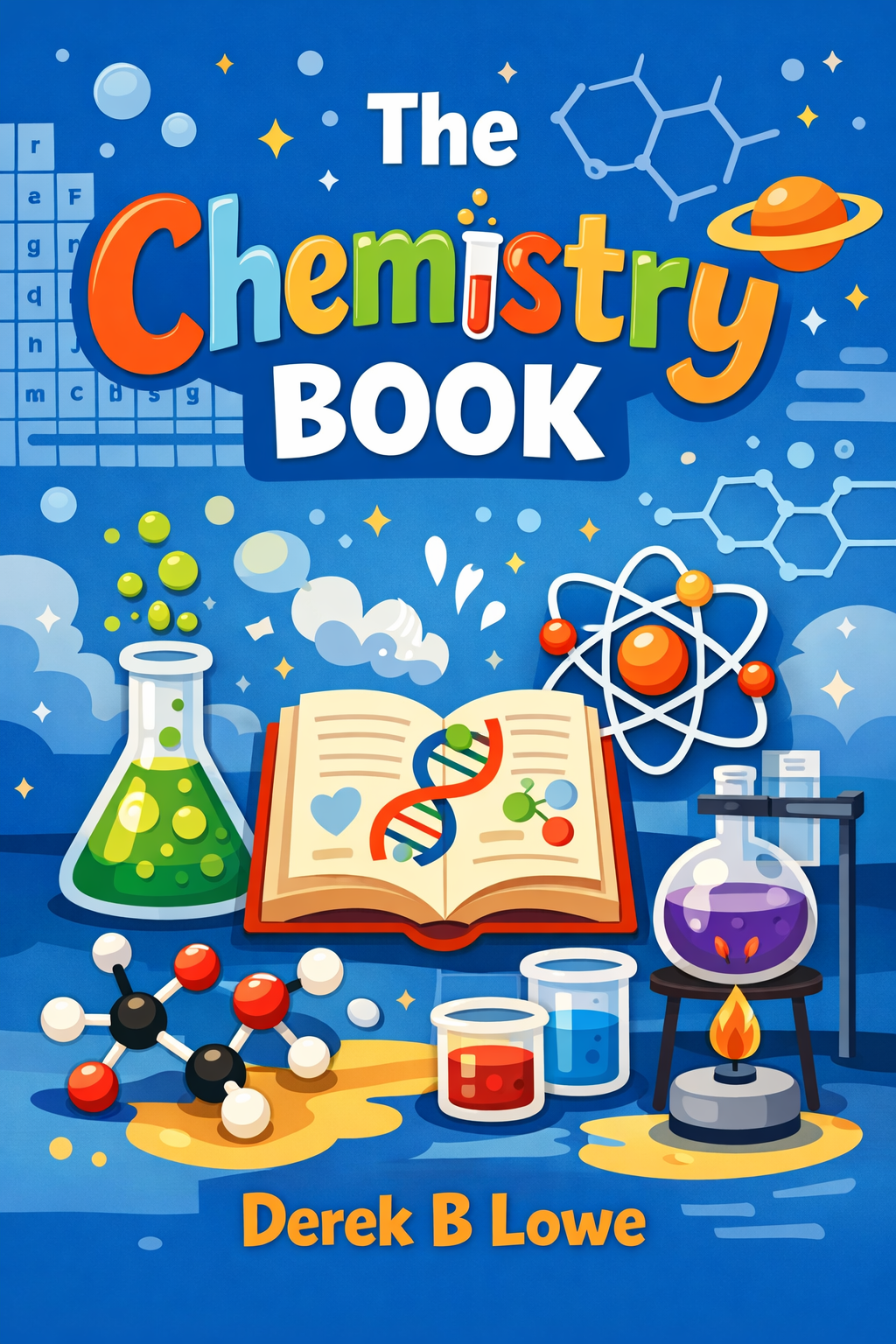
With these new tools and methods, the hunt was on to identify the fundamental building blocks. The concept of chemical elements emerged—substances that could not be broken down further by any known means. Early lists were short and often incorrect, but they provided a crucial framework. The true organizational breakthrough came with the periodic table. This was not merely a list, but a profound map that predicted the relationships and behaviors of elements based on patterns in their properties. It suggested an underlying order to the universe’s building blocks, a order later explained by the structure of the atom itself.
Understanding the atom opened the door to the modern age of chemistry. The discovery of subatomic particles—protons, neutrons, and electrons—and the realization that elements differed simply by the number of protons in their nucleus, provided a stunningly simple explanation for the periodic table. This atomic architecture explained how and why atoms bond together to form molecules, from the simple pairing of two hydrogen atoms with one oxygen to make water, to the immensely complex chains of carbon, hydrogen, oxygen, and nitrogen that form the proteins and DNA of life. Chemistry became the science of the bond, explaining the forces that hold our material world together.
This fundamental knowledge unleashed an era of astonishing synthesis and application. Chemists learned to build molecules to order, creating substances never before seen in nature. This gave us synthetic dyes that colored our world, fertilizers that fed billions, and plastics that defined modern convenience. It also gave us pharmaceuticals, transforming medicine from a practice of herbal remedies to one of targeted molecular design. The development of penicillin, for instance, was a triumph of isolation, understanding, and mass production—a direct application of chemical principles to save human life.
The story also grapples with chemistry’s dual nature as both a creative and destructive force. The same principles that create life-saving drugs can be used to design explosives and poisons. The industrial processes that provide our materials often generate hazardous waste. The narrative does not shy away from these complexities, exploring how the science has been used in warfare, from mustard gas to nuclear weapons, and how the unintended consequences of innovation, like pollution and environmental degradation, have spurred the growth of green chemistry—a discipline dedicated to designing products and processes that minimize environmental harm.
Ultimately, the journey through chemistry is a testament to human ingenuity. It shows how we moved from observing simple transformations of matter to manipulating the atomic code of reality itself. From the philosopher’s stone to the polymerase chain reaction, from the blacksmith’s forge to the semiconductor fab, the drive to understand and manipulate matter has been a constant engine of progress. This exploration reveals that chemistry is not a remote subject confined to textbooks, but a living, evolving story that is integral to everything we are and everything we have built. It is the science of change, and in telling its history, we tell the story of how we changed our world.