Description
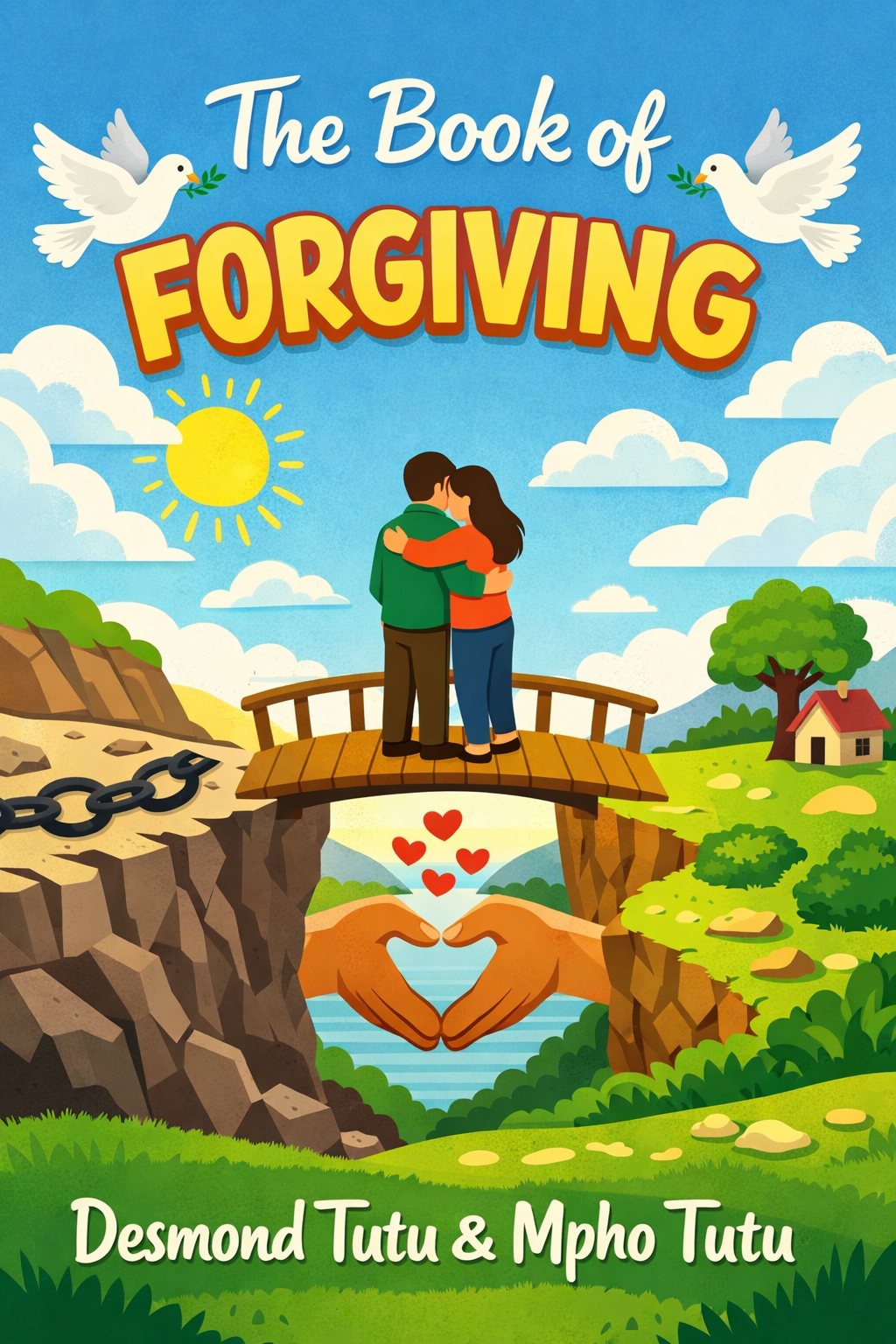
The journey toward forgiveness begins with a fundamental truth: to be human is to experience pain inflicted by others. This pain can manifest as betrayal, loss, or deep injustice. While we cannot avoid being hurt, we retain the power to choose our response. Forgiveness is often misunderstood as a sign of weakness or a way of excusing harmful behavior. In reality, it is a profound and selfishly liberating act—a way to free oneself from the chains of resentment and victimhood. Drawing from profound personal and national experience, this work presents forgiveness not as a mystical virtue for saints, but as a practical, learnable skill essential for personal peace and healing.
The first essential step on this path is to tell your story. Unexpressed pain becomes a poison, festering over time and manifesting in anxiety, depression, or broken relationships. The act of narrating your experience—of putting the fragments of hurt into a coherent narrative—is an act of reclaiming your dignity. It allows you to process and integrate the event, moving it from a raw, controlling wound into a story you hold, rather than one that holds you. This telling is not a one-time event but an evolving practice. You may share it with a trusted friend, a family member, or a counselor. The key is to give voice to what happened, in a safe space, acknowledging that your understanding and the story itself may shift and clarify over time. This process begins the vital work of moving the burden from your solitary shoulders.
Once the story is told, the next step is to name the hurt with specificity. This moves beyond the facts of the event to the emotional landscape it created within you. Are you carrying shame, fury, grief, or the sting of betrayal? These feelings must be identified and fully felt to be released. Avoiding them through distraction or numbness only grants them more power. This stage requires courage and vulnerability, as you consciously connect with raw and uncomfortable emotions. There is no right or wrong way to feel; your emotional journey is unique. By acknowledging where it hurts, you stop fighting the pain and begin the true work of healing it, often passing through natural stages of denial and anger toward a place of clearer understanding.
The third step is the conscious, active choice to forgive. This is the pivotal moment where you reclaim your agency. Forgiveness is a decision, not a feeling; it is the intentional release of the right to retaliate or remain eternally bound to the perpetrator through bitterness. It is crucial to understand that forgiving someone does not mean condoning their actions, forgetting what happened, or necessarily reconciling with them. It means you are choosing to free yourself from the narrative of victimhood. This choice often involves a difficult but transformative shift in perspective: seeing the humanity in the one who hurt you. They are not a monster, but a flawed human being, perhaps acting from their own pain, ignorance, or fear. This does not justify their actions, but it can help loosen the tight grip of hatred. Like a muscle, forgiveness grows stronger with practice, starting with smaller grievances and building the resilience for life’s deeper wounds.
The final step involves deciding what to do with the relationship. Forgiveness is an internal process; the fate of the relationship is a separate, external decision. Here, you have two core options: to release the relationship or to renew it. Releasing means you formally let the person go from your life, having forgiven them but recognizing that the relationship is too toxic or broken to continue. This is a peaceful severance, not an angry cutoff. Renewing means you choose to rebuild the relationship on new, healthier terms, with clear boundaries and rebuilt trust. This requires willingness from both parties. Whether you release or renew, the outcome is the same: you are no longer emotionally shackled to the past. You have completed the cycle, transforming pain into a source of strength and compassion.
Ultimately, the practice of forgiveness extends beyond monumental hurts to the small, daily irritations and disappointments. Each time we choose understanding over resentment in our everyday interactions, we strengthen our capacity for peace. This work posits that forgiveness is the bedrock of a free and joyful life. It is a gift you give yourself, allowing you to close a painful chapter and begin writing a new one defined not by what was done to you, but by the peace and agency you have cultivated within.