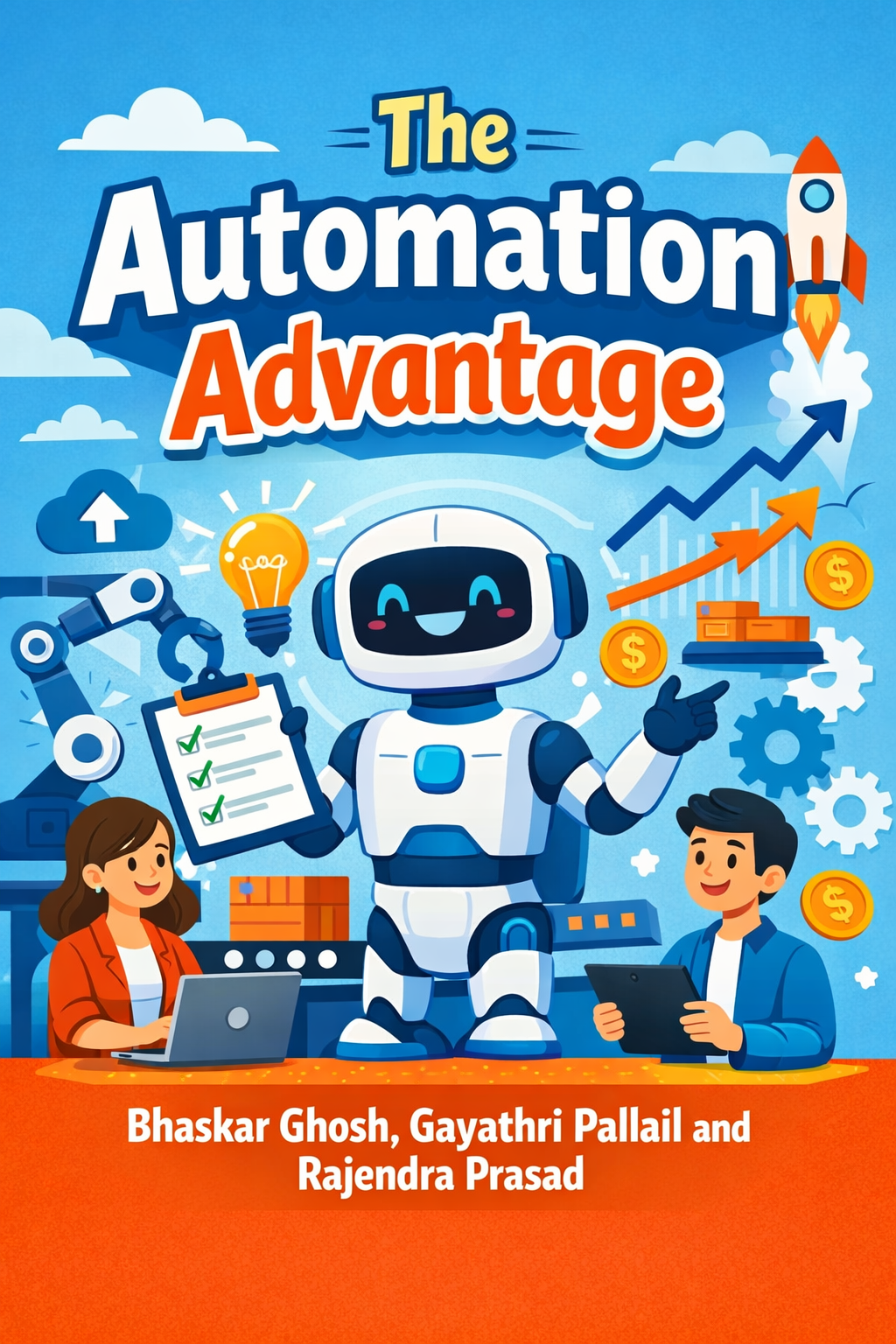
Description
The central promise of automation is not merely the replacement of repetitive tasks with software or robots, but a profound transformation of how businesses operate, compete, and create value. This shift moves the conversation from a narrow focus on reducing labor costs to a strategic imperative for enhancing human potential, driving innovation, and building resilient organizations. The journey begins with a fundamental mindset change: viewing automation not as a threat to the workforce, but as a powerful partner that can elevate the nature of work itself. By offloading mundane, rules-based activities to machines, organizations free their human talent to focus on areas where they excel—creative problem-solving, strategic thinking, emotional intelligence, and complex judgment. This human-machine collaboration becomes the new engine for productivity and growth.
Implementing automation successfully requires a deliberate and structured approach, starting with a comprehensive audit of existing processes. The key is to identify the right candidates for automation, which are typically high-volume, repetitive, and time-consuming tasks that are prone to human error. These can range from data entry and invoice processing in back-office functions to customer service inquiries and routine report generation. The goal is to map the entire workflow, pinpointing bottlenecks, inconsistencies, and areas where delays commonly occur. This diagnostic phase is critical; automating a broken or inefficient process only speeds up the bad outcome. Therefore, the first step is often to streamline and optimize the process manually before applying technological solutions.
With target processes identified, the next phase involves selecting the appropriate technological tools. The landscape of automation technologies is vast and varied, each suited to different challenges. Robotic Process Automation (RPA) acts as a digital worker, mimicking human actions to interact with multiple software systems, perfect for structured data tasks. More advanced intelligent automation incorporates artificial intelligence and machine learning, enabling systems to handle unstructured data like emails or documents, make predictions, and learn from outcomes. The choice of tool depends on the complexity of the decision-making required within the process. A simple, rule-based task needs RPA, while a process requiring pattern recognition or adaptation benefits from AI augmentation.
A critical, and often underestimated, component of automation is the human element. The success of any initiative hinges on managing the cultural and organizational change it brings. Leadership must communicate a clear, compelling vision that emphasizes augmentation over replacement, focusing on how automation will make jobs more meaningful and the company more competitive. Engaging employees early in the process is essential. They are the experts on the ground and can provide invaluable insights into which processes are most tedious or problematic. Furthermore, investing in reskilling and upskilling programs is non-negotiable. As routine tasks are automated, employees need support to transition into new roles that oversee automated systems, analyze their output, and engage in higher-value work. This fosters a culture of continuous learning and innovation.
The benefits of a well-executed automation strategy extend far beyond operational efficiency. Financially, it leads to significant cost savings over time by reducing errors, speeding up cycle times, and optimizing resource allocation. Operationally, it enhances scalability, allowing businesses to handle increased volume without a linear increase in headcount, and improves consistency and quality control. Perhaps most importantly, it unlocks strategic advantages. With automation handling routine operations, leadership teams gain access to faster, more accurate data and insights, enabling better and quicker decision-making. Employees, unburdened from monotonous work, experience higher job satisfaction and can contribute more creatively. This creates a virtuous cycle where the organization becomes more agile, responsive, and capable of pursuing new opportunities.
Ultimately, the advantage conferred by automation is sustainable competitive edge. It is not a one-time project but a core capability to be cultivated. Organizations that master the art of integrating automation into their DNA will find themselves able to innovate at a pace others cannot match, deliver superior customer experiences, and adapt swiftly to market changes. They transform from being merely efficient to being inherently intelligent and adaptive. The future of work belongs to those who see machines not as substitutes, but as collaborators, and who redesign their operations and their culture to harness the full, synergistic potential of human creativity and machine precision.