Description
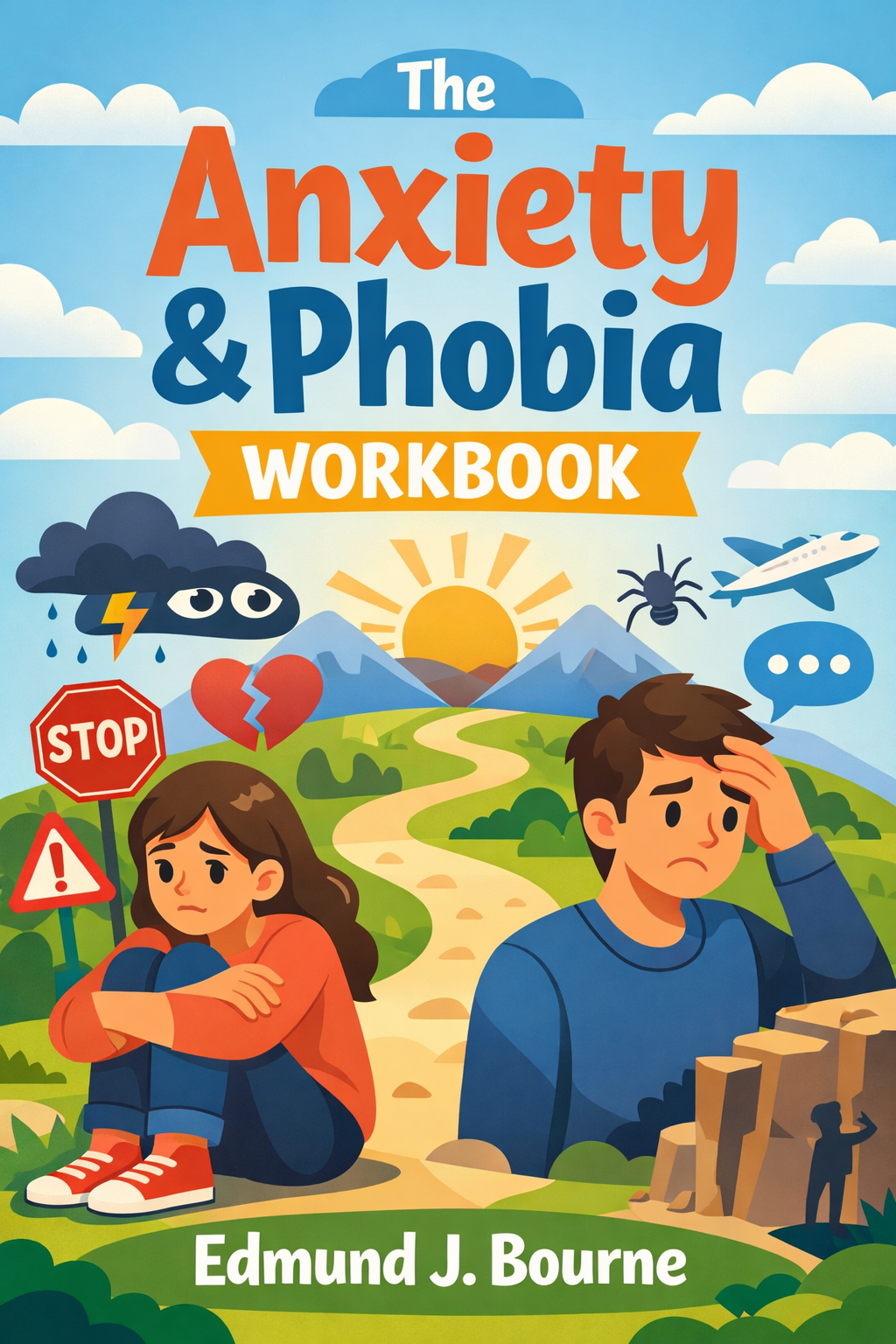
Anxiety can feel like a permanent resident in your mind and body, a constant hum of worry that colors every experience. This workbook serves as a compassionate and thorough guide for anyone seeking to reclaim their life from the grip of excessive fear, panic, and avoidance. It approaches anxiety not as a personal failing, but as a treatable condition with a set of practical, learnable skills. The core philosophy is empowerment through education and action, providing a clear roadmap that demystifies why we feel anxious and, more importantly, what we can concretely do about it.
The journey begins with understanding the very nature of anxiety, breaking down its components into physical sensations, worried thoughts, and avoidance behaviors. This tripartite model is crucial, as it highlights that anxiety is more than just a feeling; it is a self-perpetuating cycle. A rapid heartbeat (physical) can trigger a thought like “I’m having a heart attack” (cognitive), which leads to fleeing a situation (behavioral), which in turn reinforces the fear for next time. By mapping your own unique anxiety patterns, you gain the first tool: awareness. This awareness creates a small but critical distance between you and your symptoms, allowing you to see them as manageable processes rather than overwhelming truths.
A significant portion of the work is dedicated to confronting the physical dimension of anxiety. Through detailed exercises in progressive muscle relaxation, deep abdominal breathing, and mindfulness, you learn to calm the body’s alarm system. These are not quick fixes but foundational practices to lower your overall baseline of tension. The book meticulously explains how to practice these skills daily, turning them into reliable reflexes you can call upon during moments of heightened stress. This somatic approach is vital because a calm body sends a powerful signal of safety to a frantic mind, interrupting the cycle at its physiological root.
The cognitive component is addressed with equal rigor. Here, you learn to identify and challenge the distorted thinking patterns that fuel anxiety, such as catastrophizing, overgeneralization, and all-or-nothing thinking. Techniques like thought recording and evidence testing are introduced, guiding you to examine your anxious predictions with a detective’s objectivity. Is the worst-case scenario truly probable? What is a more balanced, realistic way to view this situation? This process of cognitive restructuring is not about positive thinking but about accurate thinking, gradually replacing automatic, fear-based narratives with more reasoned and flexible perspectives.
The behavioral cornerstone of recovery is systematic exposure. This is the brave, methodical work of facing feared situations, sensations, or thoughts in a gradual, controlled manner. The workbook provides clear frameworks for building a personal “fear hierarchy,” starting with mildly challenging scenarios and progressively working toward more difficult ones. Whether confronting a phobia of elevators, the panic of a crowded store, or the dread of social evaluation, exposure teaches the nervous system through direct experience that the feared outcome is unlikely and that anxiety itself, while uncomfortable, is tolerable and will eventually subside. This is where knowledge turns into lasting change, as you build a new history of success and mastery.
Beyond these core strategies, the book explores a wide array of supportive topics. It covers lifestyle factors that influence anxiety, including nutrition, exercise, and sleep hygiene. It offers specific guidance for related challenges like obsessive-compulsive patterns, perfectionism, and shame. There is also thoughtful material on building self-esteem, practicing assertiveness, and cultivating a meaningful life that is not organized around avoidance. The tone throughout is validating and encouraging, acknowledging the difficulty of the work while consistently reinforcing that progress is possible with patience and consistent practice. It is a comprehensive manual that doesn’t just aim for symptom reduction but for a fundamental shift in your relationship with your own inner experience, fostering resilience and a renewed sense of freedom.