Description
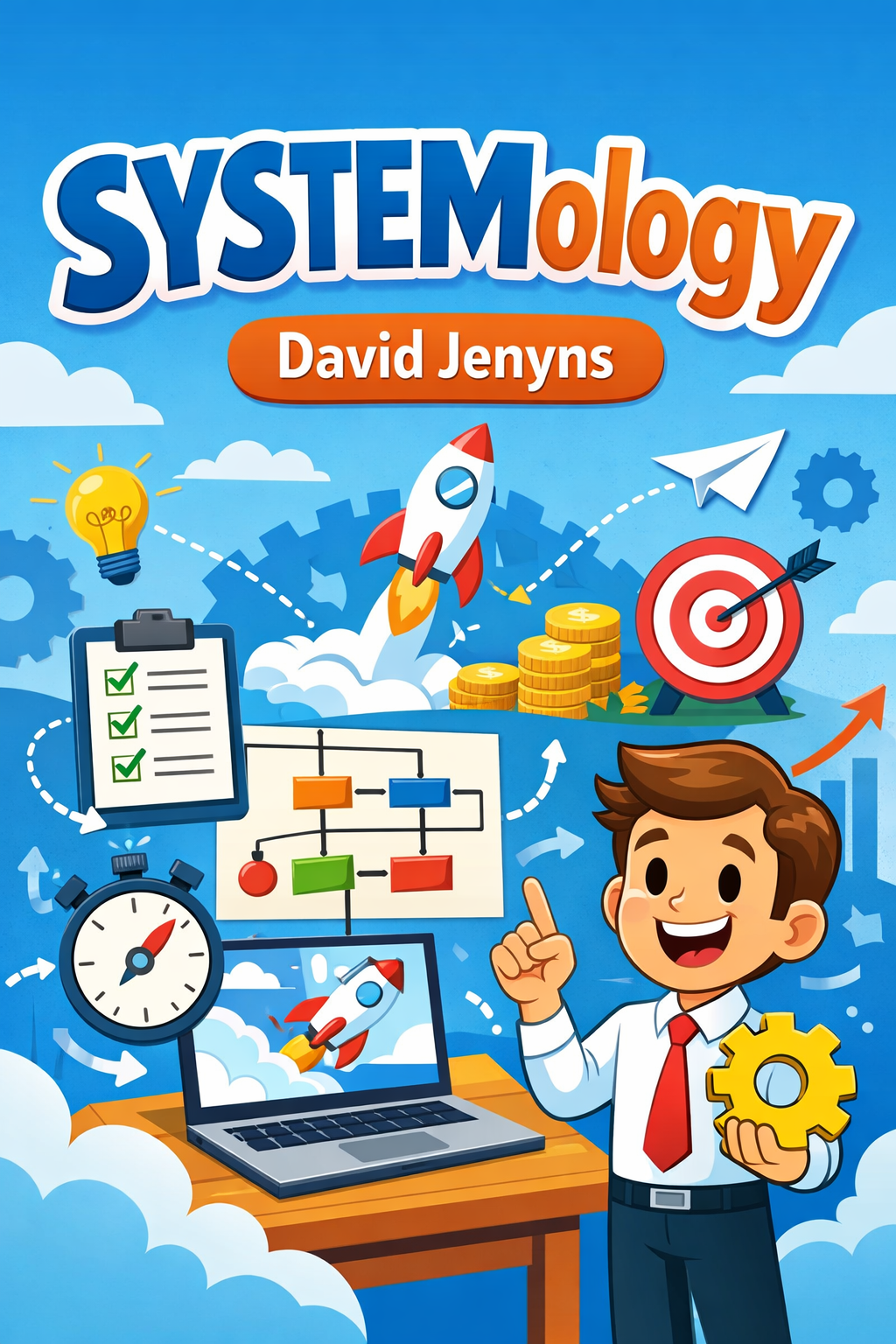
Many business founders start their ventures dreaming of freedom and impact, only to find themselves trapped in a relentless cycle of tasks, becoming the chief bottleneck in their own company’s growth. This book presents a clear, actionable methodology to break that cycle. It argues that sustainable success isn’t about working harder, but about building a business that can operate and thrive independently of its founder. The core premise is that by systematically identifying, documenting, and delegating the essential workflows, a leader can transition from being the primary operator to the strategic visionary, ultimately creating an asset of real value.
The journey begins with a moment of clarity—often spurred by personal burnout or a life event—that signals the need for change. The first concrete step is to define what truly matters by mapping your Critical Client Flow. This involves stripping your business down to its essence: following the journey of one ideal client from first contact to fulfilled service and beyond. This map isn’t about capturing every minor detail but about visualizing the high-level stages that create value. Creating this flow provides a startlingly clear picture of your core operations and highlights the key systems that need to be built first, moving you from a state of reactive chaos to one of structured understanding.
With the critical flows identified, the next phase shifts focus to the people who bring them to life. The natural tendency for founders to control every detail is identified as a major growth limiter. Instead, the methodology advocates for assigning ownership through a structured chart that links departments, key responsibilities, and specific team members. The goal here is to leverage the latent expertise already within your team. By clearly defining who is responsible for what, you not only distribute the operational load but also begin to protect the business from over-reliance on any single person, including yourself. This step transforms the theoretical map into a practical organizational blueprint, setting the stage for capturing the “how.”
The heart of building a systematized business lies in extracting the tacit knowledge currently stored in your team’s heads and daily habits. This is a collaborative process between a “knowledgeable worker”—the person who currently performs a task best—and a “systems champion,” a detail-oriented individual who loves creating order. The extraction is deliberately low-tech: the worker simply records themselves performing the task, imperfections and all, to establish a real-world baseline. The systems champion then translates this recording into a clear, step-by-step guide. This documented system is then tested and refined by the original worker, ensuring it is practical and accurate. This process, repeated for every critical task, converts individual skill into collective, scalable knowledge.
A collection of brilliant systems is useless if no one can find or follow them. The organizing phase is about creating a central, accessible home for your newly documented processes. This requires moving beyond scattered documents and email chains to dedicated, simple-to-use software platforms. A key distinction is made between project management tools (for managing tasks and deadlines) and systems management software (for housing the procedural documentation). The recommendation is to choose intuitive, customizable platforms that fit your team’s workflow, emphasizing that ease of access is paramount for adoption. Proper organization turns static documents into living resources that can be easily referenced and updated.
The final, and perhaps most crucial, step is integrating these systems into the daily heartbeat of the company. This goes beyond mere implementation; it’s about fostering a culture where systems are valued and used. It requires a shift in leadership mindset, distinguishing between being a “manager” who oversees tasks and a “leader” who focuses on vision and strategy. Successful integration involves clear communication from leadership about the “why,” ongoing training, and establishing accountability measures to ensure the systems are actively used and maintained. When fully integrated, these systems create a business that runs with consistency and clarity, freeing the founder to focus on growth and innovation, and building an enterprise that is truly sustainable without them.