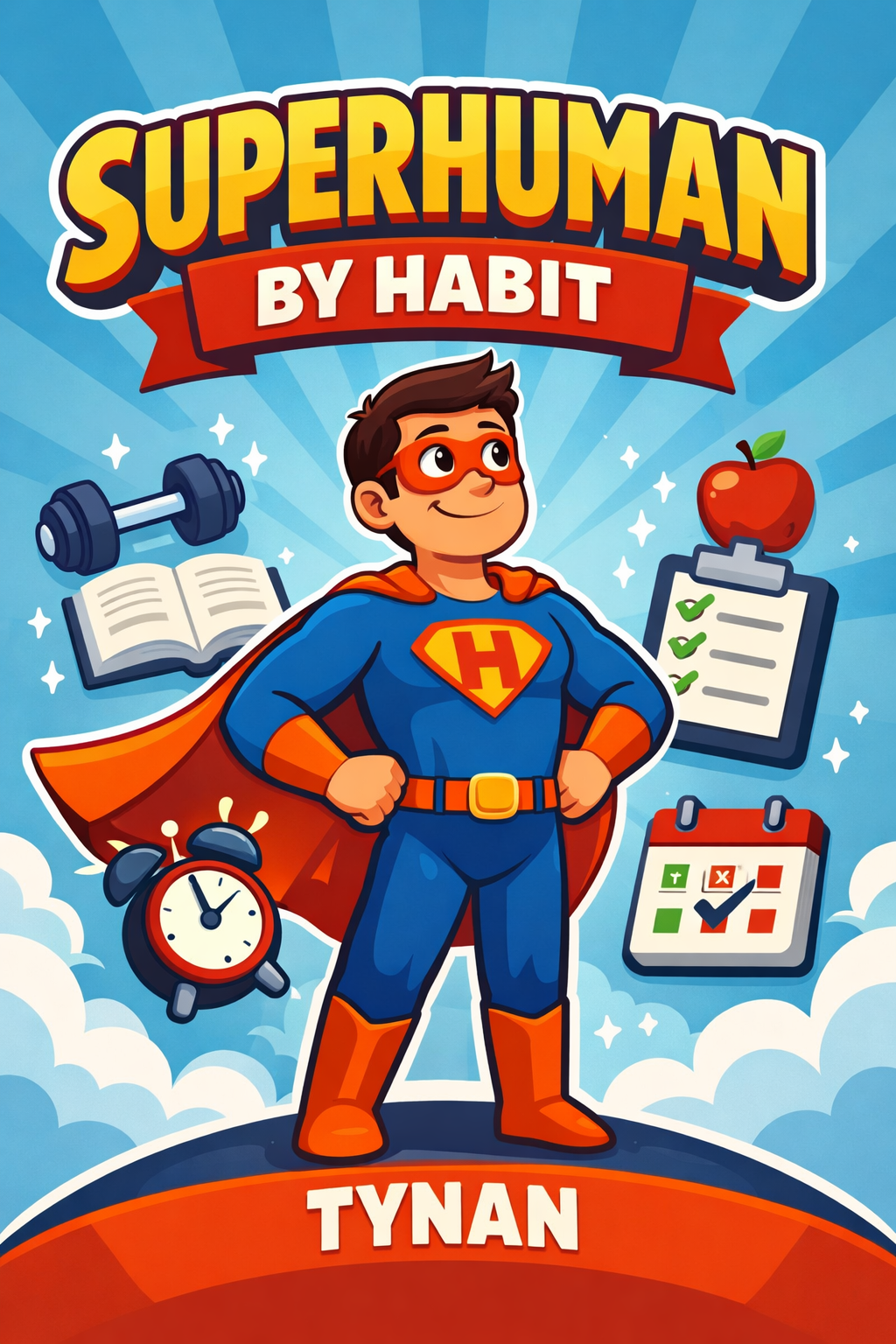
Description
Imagine possessing a superpower not from a radioactive accident, but from the quiet, consistent choices you make every day. This book argues that the true path to becoming a superhuman version of yourself lies not in fleeting bursts of willpower, but in the deliberate construction of automatic behaviors. Habits are the invisible architecture of daily life, operating in the background to conserve your mental energy for more demanding tasks. By mastering them, you can systematically improve your health, organization, and productivity, turning arduous tasks into effortless routines.
The journey begins with understanding the nature of habits themselves. They are actions so ingrained they become almost involuntary, like brushing your teeth before bed. The power of a habit lies in this automation; it bypasses the need for constant decision-making and depleting willpower. While everyone has habits, many are unhelpful. The goal is to consciously replace them with positive routines that align with your aspirations. Since willpower is a finite resource, relying on it alone for long-term change is a recipe for failure. Habits, once established, provide a reliable engine for progress that doesn’t require daily negotiation with yourself.
Selecting the right habit is a critical first step. Inspiration can come from various places: addressing a personal weakness, aligning with a core life priority, or tapping into a deep-seated motivation. The key is brutal honesty about where you need growth. It’s also valuable to consider habits that expand your identity, like a dancer learning to write. The most effective habits are performed daily. Daily routines simplify scheduling, feel less daunting because they are small, and eliminate the temptation to reschedule, which often leads to skipping altogether. Consistency is the bedrock of habit formation, and a daily practice builds that consistency fastest.
Building a lasting habit is a deliberate process centered on triggers. A trigger is a specific cue—an existing action, time, or situation—that automatically initiates your new behavior. By anchoring your desired habit to a reliable trigger, such as finishing your morning coffee or arriving home from work, you remove the need to decide “when.” The formation process has two phases: loading and maintenance. The loading phase is the intensive, no-excuses period where you commit to performing the habit daily, using willpower to push through until it starts to feel automatic. This can take a month or much longer. Once the behavior is ingrained, you enter the maintenance phase, where you can slightly relax the frequency while locking in the gain for the long term. Progress should be measured by consistency of action, not immediate results. Skipping a day is not a catastrophe, but it’s a signal to recommit. The philosophy is to learn from lapses, not be defeated by them.
Applying this framework to health can be transformative. Instead of radical diets, start by building a habit of removing one harmful ingredient, like refined sugar, and replacing it with a healthier alternative. Meal planning is another powerful habit that ensures good choices are readily available. For sleep, the fundamental habit is a consistent bedtime, starting your wind-down about nine hours before you need to wake. Protecting this ritual by avoiding screens before bed is a supporting habit that makes the primary one stick. Exercise, often the most daunting, becomes manageable when treated as a habit, not a performance. The focus is on the routine of showing up, perhaps following a simple three-day-a-week plan, and trusting that the results will follow the consistent process.
Organization habits create external order, which fosters internal calm. The concept of “daily imperfect cleaning” is liberating: instead of aiming for spotless, commit to a brief, twice-daily tidy to maintain a realistic baseline of order. Complement this with a periodic decluttering habit, dedicating time each month to remove unused items. This prevents accumulation and makes daily maintenance easier. In the digital realm, a simple habit like immediately flagging emails that require a thoughtful reply can transform an overwhelming inbox into a manageable task list, ensuring nothing important slips through the cracks.
Finally, productivity habits are about directing your energy effectively. The core principle is to build routines that make important work unavoidable. This might mean creating a daily “deep work” block triggered by your first cup of coffee, where you focus on your most demanding task without distraction. It involves habitually breaking large projects into small, daily actions, so progress is continuous. The ultimate productivity habit is a regular review of your systems, ensuring your routines are still serving your evolving goals. By stacking these small, automatic actions—for health, order, and focus—you compound their benefits. You are not relying on a superhero’s moment of strength, but on the superhuman resilience of a well-designed life, built one habit at a time.