Description
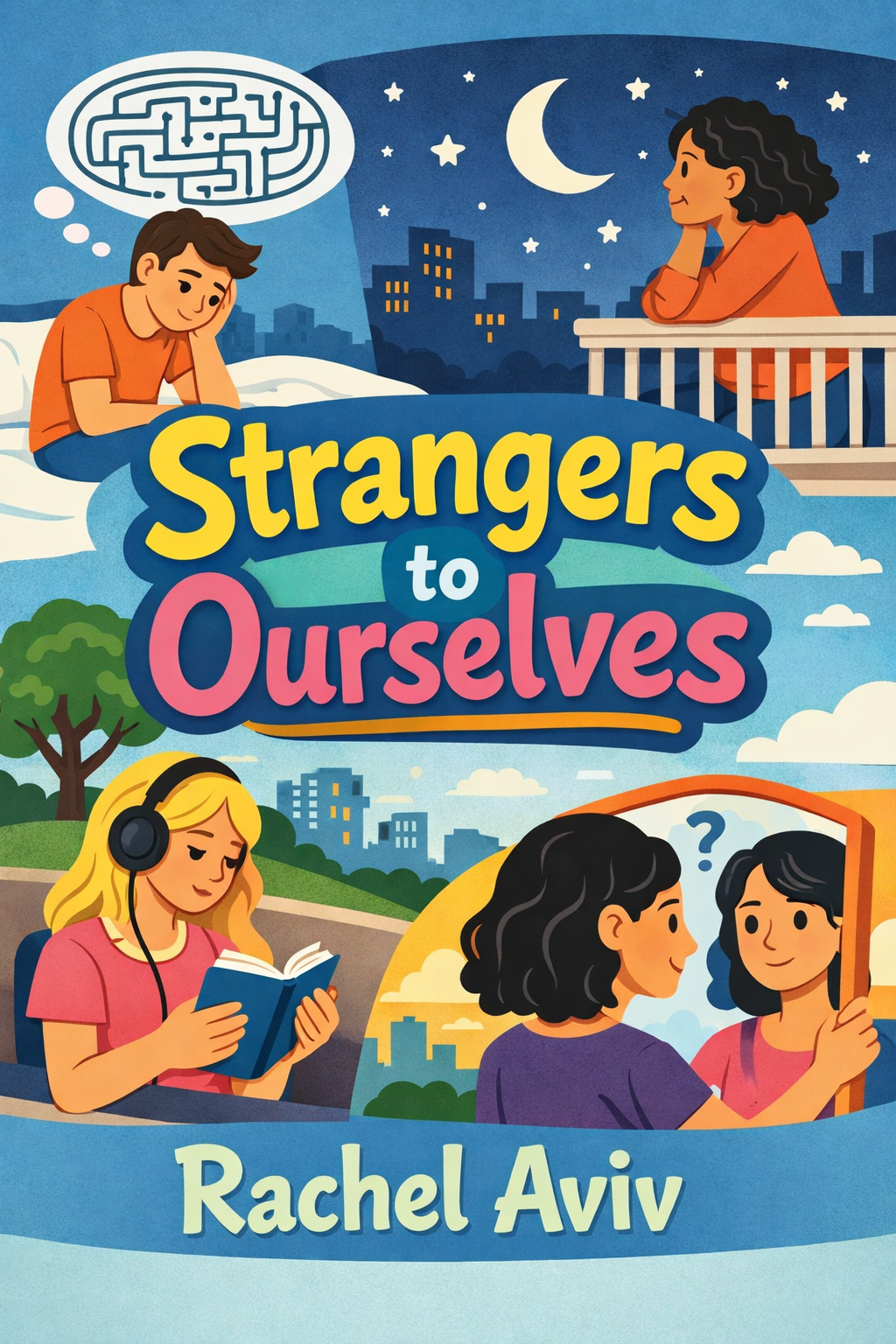
Beneath the familiar surface of our conscious thoughts lies a vast and mysterious landscape—the unconscious mind. This realm operates silently, influencing everything from our daily decisions to our deepest fears and desires, often without our awareness. For centuries, this hidden part of ourselves has been a subject of fascination and debate, from Freud’s theories of repressed drives to modern neuroscience’s mapping of automatic brain functions. The journey to understand this inner stranger is not merely an academic pursuit; it is a fundamental inquiry into what makes us who we are, challenging the very notion of a unified, rational self in control of its own destiny.
The architecture of the unconscious is built from processes that work with remarkable efficiency outside the spotlight of our attention. Consider the simple act of riding a bicycle. Once learned, the complex coordination of balance, pedaling, and steering happens effortlessly, guided by neural pathways that operate in the background. This is the realm of procedural memory and automaticity, where skills and habits become ingrained. But the unconscious governs far more than muscle memory. It is the engine behind intuition—those gut feelings and instant judgments that arise before logic has a chance to weigh in. These snap assessments, shaped by a lifetime of accumulated experiences, can be surprisingly accurate, yet they can also lead us astray, embedding biases and stereotypes we consciously reject.
Our emotional life is deeply rooted in this subterranean world. Long before the conscious mind registers a threat, the amygdala can trigger a fight-or-flight response. Emotions often arrive as fully formed states—anxiety, joy, attraction—whose origins feel obscure. We find ourselves inexplicably drawn to one person over another, or gripped by a fear we know is irrational. These emotional undercurrents are powerful navigational forces, steering our relationships and life choices. They are the whispers of past experiences, traumas, and attachments that we may have forgotten or never fully understood, yet they continue to script scenes in our present lives, casting shadows and coloring our perceptions in ways we seldom recognize.
Perhaps one of the most startling revelations is how the unconscious mind constructs the narrative of the self. We like to believe we know our own reasons for acting, feeling, and choosing. Yet, when probed, we often invent plausible explanations for behaviors driven by unconscious impulses. The conscious mind, acting as a skilled public relations manager, weaves a coherent story from the disparate threads of influence, creating an illusion of autonomy and rational control. This post-hoc storytelling masks the true, complex machinery at work, leaving us as strangers narrating a biography we did not solely author. Our sense of identity, then, is not a discovered truth but a continually drafted manuscript, edited by unseen hands.
This divide between our conscious self-image and our unconscious drivers is not just a philosophical curiosity; it has profound implications for mental health. Many psychological struggles—repetitive destructive patterns, unexplained moods, self-sabotaging behaviors—are messages from this hidden self. Therapeutic processes aim to build a bridge across this divide, not to bring every unconscious thought into the light, which is impossible, but to foster a dialogue. Through this dialogue, we can integrate disowned parts of ourselves, understand the roots of our distress, and reduce the internal conflict that arises when conscious intentions are perpetually undermined by unconscious counter-forces. Healing often involves making the unknown known, turning a hostile stranger into a acknowledged, if sometimes difficult, partner.
In the social sphere, the power of the unconscious shapes collective behavior in ways that defy simple explanation. Implicit biases, those automatic associations about social groups, operate beneath awareness and can influence actions despite conscious commitments to equality. Cultural norms and values are absorbed unconsciously from a young age, becoming the invisible lens through which we view the world. These forces fuel everything from consumer behavior to political movements, as individuals are swayed by symbols, narratives, and emotional appeals that resonate on a level deeper than reasoned argument. Understanding these undercurrents is crucial for addressing societal issues, as changing minds requires more than presenting facts; it requires engaging with the hidden layers of belief and feeling.
Engaging with the stranger within is not a task with a finite end. It is an ongoing practice of curiosity and humility. It asks us to question our certainties, to sit with ambiguity, and to recognize that we are not the solitary captains of our souls but rather complex ecosystems where conscious and unconscious elements interact. This recognition is not a surrender to determinism but an invitation to a richer, more compassionate self-awareness. By acknowledging the unseen author of much of our inner world, we gain the potential for greater freedom—not freedom from unconscious influence, but the freedom to relate to it wisely, to integrate its wisdom, and to mitigate its disruptions. In making peace with the stranger, we move toward a more whole and authentic existence.