Description
The story of Stonewall is not merely about a single night of rebellion, but the culmination of decades of silent suffering, quiet solidarity, and burgeoning defiance. It is a tapestry woven from the lives of countless individuals who, long before that fateful summer, began to question the world that told them they were sick, criminal, or invisible. This narrative follows six such people, each navigating a hostile America to find their way to New York City, where a community was slowly, painfully, being born.
For many, the journey began in childhood, marked by an early sense of difference. Some, like Craig, found unexpected pockets of acceptance in unlikely places, while others, like Ray, faced brutal rejection and survival on the streets from a shockingly young age. Figures like Yvonne inherited a spirit of resistance, and Karla chafed against rigid gender expectations. These early experiences forged identities that would not be erased. As they reached adulthood, independence beckoned. They migrated to neighborhoods like Greenwich Village and Harlem, seeking not just anonymity, but connection. In the underground bars and coffee shops, on softball fields and in all-night cafés, they discovered they were not alone. A culture was forming in the shadows, complete with its own codes, families of choice, and fragile havens.
The post-World War II era was a pivotal seedbed. The war had thrown together people from across the country, revealing a shared reality that transcended small-town isolation. Afterwards, enclaves solidified, and bars became the essential, though perilous, heart of community life. Political stirrings emerged with groups like the Mattachine Society, which initially offered a radical vision of collective struggle. By the late 1950s, however, its approach had shifted toward respectability and assimilation, urging gay people to blend in. Yet, for newcomers like Craig, even this tempered organization was a revelation—proof that organizing was possible. Activism, however, was met with relentless state violence. Police raids, entrapment, and brutal beatings were a constant threat, a harsh reality that existed alongside the joy and revelry of a community learning to celebrate itself.
Throughout the 1960s, the political landscape began to shift. The civil rights movement and growing opposition to the Vietnam War created a language of protest and liberation that resonated deeply. While mainstream society, echoed by media and psychiatry, continued to label homosexuality an illness, the silence had been broken. The “homophile” movement, though small, was a persistent glimmer of hope. It was into this simmering pot of frustration and nascent pride that individuals like Foster arrived, bringing a strategic mind and a zeal for organization. The community was a complex mosaic, encompassing everything from Mattachine’s suit-and-tie advocates to the vibrant, defiant street queens like Sylvia, who, with friends like Marsha, lived by a code of fierce authenticity and resilience.
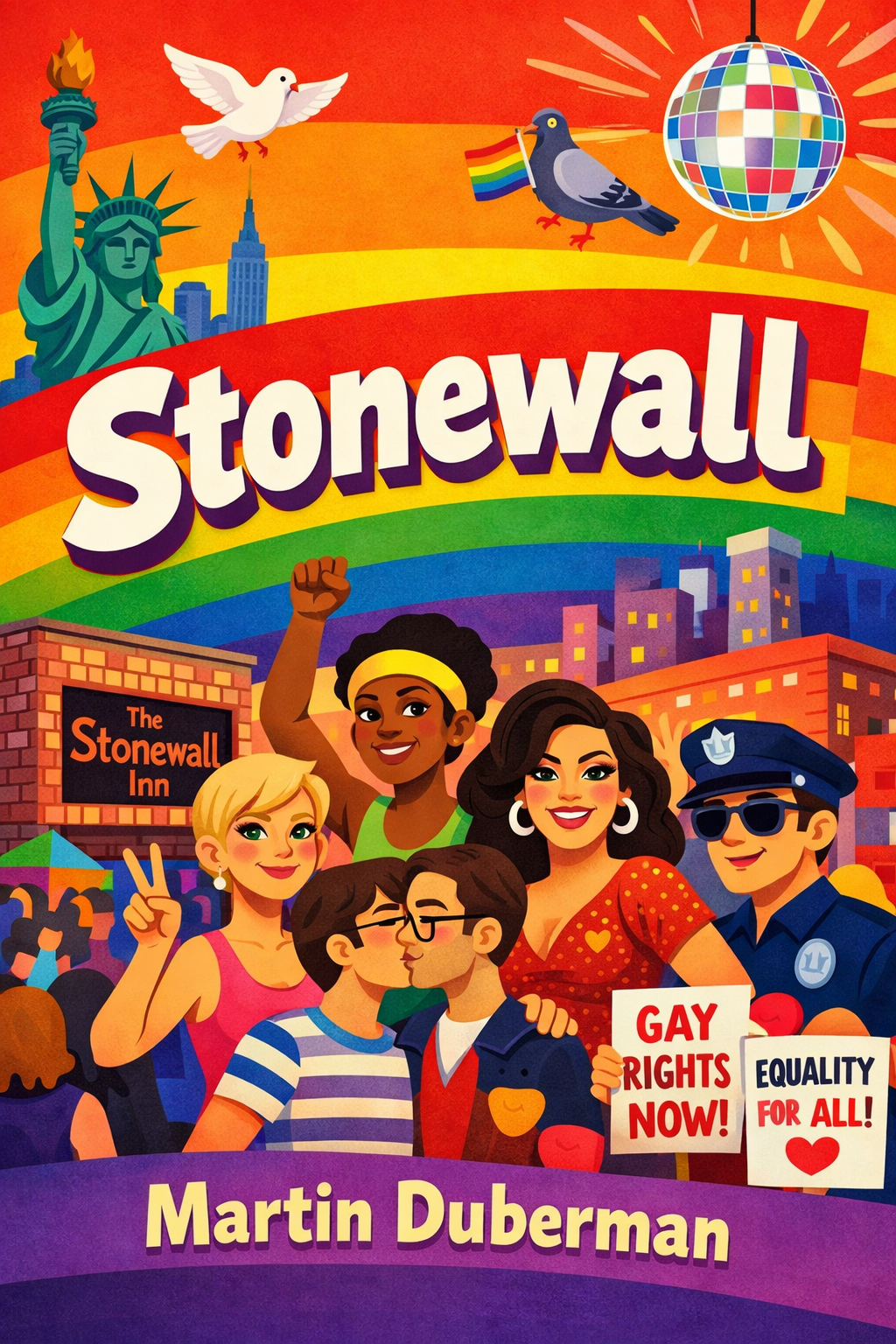
This rising tension between a society demanding conformity and a community discovering its power set the stage for a catalyst. The Stonewall Inn itself was a reflection of this moment: a Mafia-run bar, often raided, serving as a refuge for the most marginalized—drag queens, transgender individuals, homeless youth, and people of color. It was far from perfect, but it was theirs. When police raided it in the early hours of June 28, 1969, the routine script of compliance was torn up. The patrons, fed up with a lifetime of harassment, fought back. The rebellion spilled into the streets, lasting for days and drawing in ever more people. It was a spontaneous explosion of pent-up anger, a declaration that the days of passive acceptance were over.
The riots were not an end, but a explosive beginning. The energy they unleashed was immediately channeled into a new, radical political force. Groups like the Gay Liberation Front emerged, rejecting the old politics of respectability. Their ethos was unapologetic, intersectional, and revolutionary, linking the fight for gay rights with struggles against racism, militarism, and class inequality. They embraced “coming out” as a fundamental political act, transforming personal shame into public pride. This new confidence demanded visible action. To commemorate the first anniversary of the uprising, organizers proposed a march. There was no permit, no protection, and immense risk, but they proceeded anyway. That first Christopher Street Liberation Day march, a bold and joyful public affirmation, laid the direct groundwork for the global Pride celebrations we know today.
Stonewall stands as a watershed, a moment when a marginalized community collectively said “enough.” The movement it galvanized was diverse and sometimes divided, but it shared a core demand for dignity and self-determination. The personal journeys chronicled here—from childhood isolation to community building, from silent suffering to loud, proud rebellion—mirror the larger arc of a fight for liberation. Their story is a testament to the power of claiming one’s identity and the world-changing force of standing together, courageously and without apology, in the light.