Description
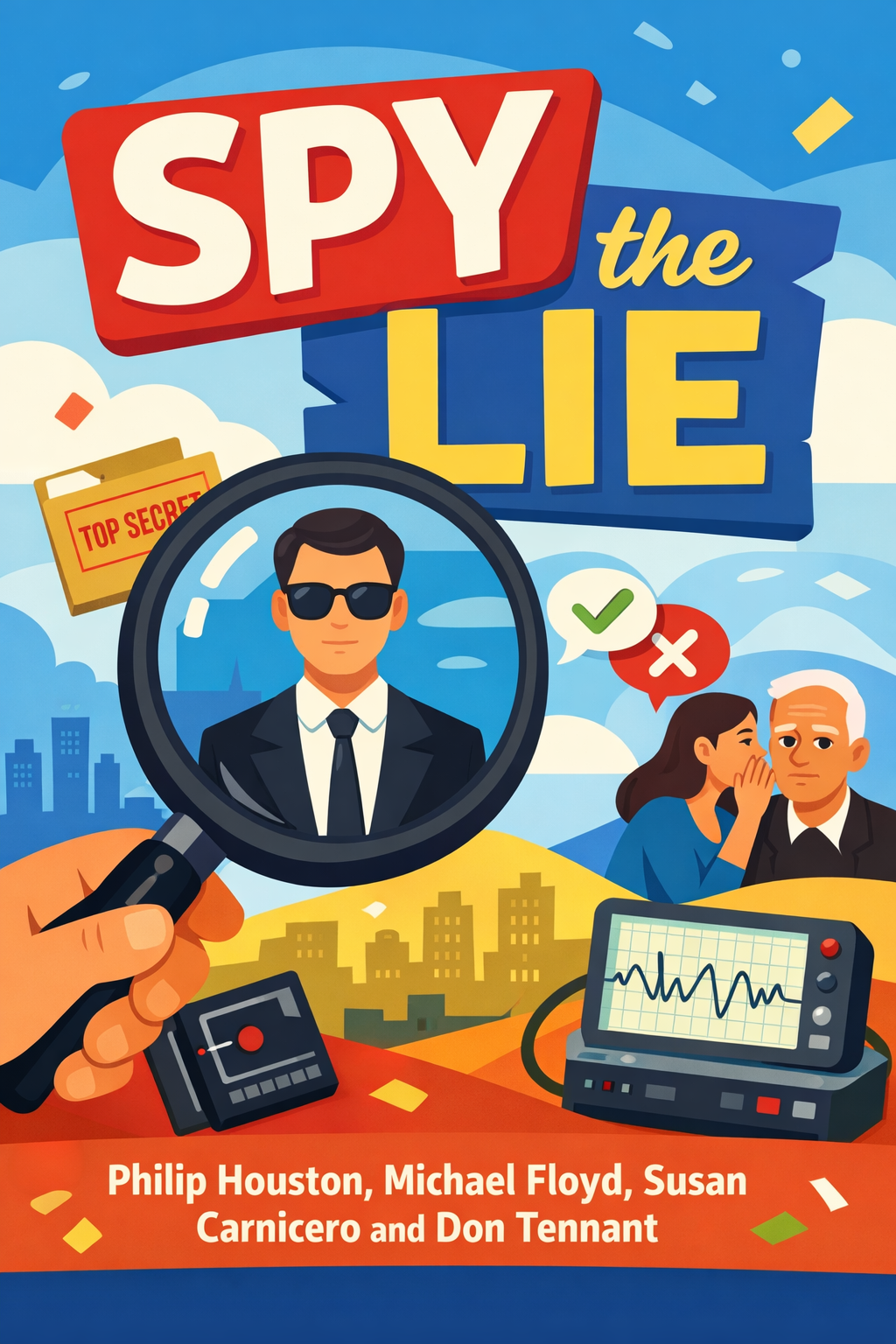
We live in a world woven with untruths. From small social white lies to consequential deceptions, falsehoods are a common part of human interaction. Yet, despite this constant exposure, most people are remarkably poor at distinguishing truth from lies. This guide distills decades of field experience from professional interrogators and investigators into a practical system for detecting deception. It moves beyond folk wisdom and unreliable “tells” to offer a structured approach for anyone—from business leaders and lawyers to parents and partners—who needs to discern reality in critical conversations.
Our innate inability to detect lies stems from several fundamental challenges. First, human communication is incredibly complex and ambiguous. We struggle to process verbal and nonverbal signals simultaneously, often focusing entirely on words and missing the body language, or vice versa. Furthermore, a single behavior, like breaking eye contact, can have a dozen innocent explanations, making it a useless standalone clue. Compounding this is our own psychological bias. We are not neutral observers; we see the world through filters shaped by our beliefs and experiences. We instinctively trust people we like or who fit a “truthful” profile, and distrust those who don’t. A captivating story from a sympathetic source can blind us to glaring inconsistencies, leading us to accept fiction as fact.
Clever deceivers exploit these weaknesses by cloaking their lies in the appearance of truth. They often mimic behaviors we associate with honesty, such as offering direct answers or making reasonable statements about their character. The key to piercing this facade is to disregard “truthful” behavior entirely during your assessment. An honest-seeming demeanor is not evidence of honesty. Instead, focus solely on the content of the statements related to the issue at hand. When someone says, “I’m an honest person, I’d never risk my career by lying,” politely acknowledge the comment but immediately steer back to the factual core of your inquiry. The question isn’t about their general character, but about the specific actions in question.
Liars, especially when under pressure, instinctively avoid making a direct, blunt false statement. Their strategies often fall into three categories, mirroring the courtroom oath to tell “the truth, the whole truth, and nothing but the truth.” The first is violating the “whole truth” through lies of omission. Here, the deceiver simply leaves out damning information, using vague qualifiers like “mostly” or “basically,” or dodging the question entirely by repeating it, pretending not to understand, or changing the subject. A failure to provide a straightforward answer is often a significant red flag.
When omission isn’t enough, liars move to lies of commission, directly violating “tell the truth.” To make a falsehood believable, they may overload their story with unnecessary, overly specific details or suddenly adopt an overly polite or religious tone to bolster credibility. The most potent and dangerous form, however, is the lie of influence, which attacks the “nothing but the truth” principle. Here, the liar sidesteps facts altogether and instead makes an appeal to their own integrity, reputation, or circumstances. They argue why, from a rational standpoint, they *couldn’t* or *wouldn’t* be guilty. These arguments can be powerfully persuasive because they often sound logical and play directly to our biases.
The mental and emotional strain of constructing and maintaining a deception frequently manifests in physical and verbal cues. Lying is cognitively taxing and stressful, which can trigger behaviors like grooming gestures, foot shuffling, or changes in speech patterns. The critical insight is that no single behavior is a guaranteed sign of a lie. Instead, you must look for clusters of behaviors and, most importantly, evaluate their timing. A truthful person’s behavioral response aligns with the natural flow of a question and answer. A deceptive person, however, may exhibit a “hotspot”—a significant change in behavior *precisely at the moment* the deceptive part of the conversation is reached. This could be a pause, a glance away, or a defensive gesture that occurs when a key question is asked or a sensitive topic is touched.
Your approach as the questioner is just as important as your observation. Begin by asking simple, non-threatening questions to establish a behavioral baseline for how the person acts when telling the truth. Then, deliver your key questions in a calm, neutral, and non-accusatory manner. Confrontation only puts the liar on the defensive, making them more guarded and rehearsed. If you suspect a lie, avoid the instinct to have them repeat it; this only allows them to solidify their story. Instead, use gentle, open-ended prompts to encourage them to talk more. Ask them to elaborate, clarify, or walk you through the timeline again. The goal is to disrupt their prepared narrative and coax out more information than they intended to give. In this expanded story, inconsistencies, omissions, and the telltale signs of fabrication are much more likely to emerge.
Mastering this skill is not about becoming cynical or distrustful of everyone. It is about developing a sharper, more objective lens for those moments when the stakes are high and the truth is essential. By understanding the psychology of the liar, recognizing the structure of deception, and employing a disciplined method of questioning and observation, you can cut through the fog of falsehood and see the reality beneath.