Description
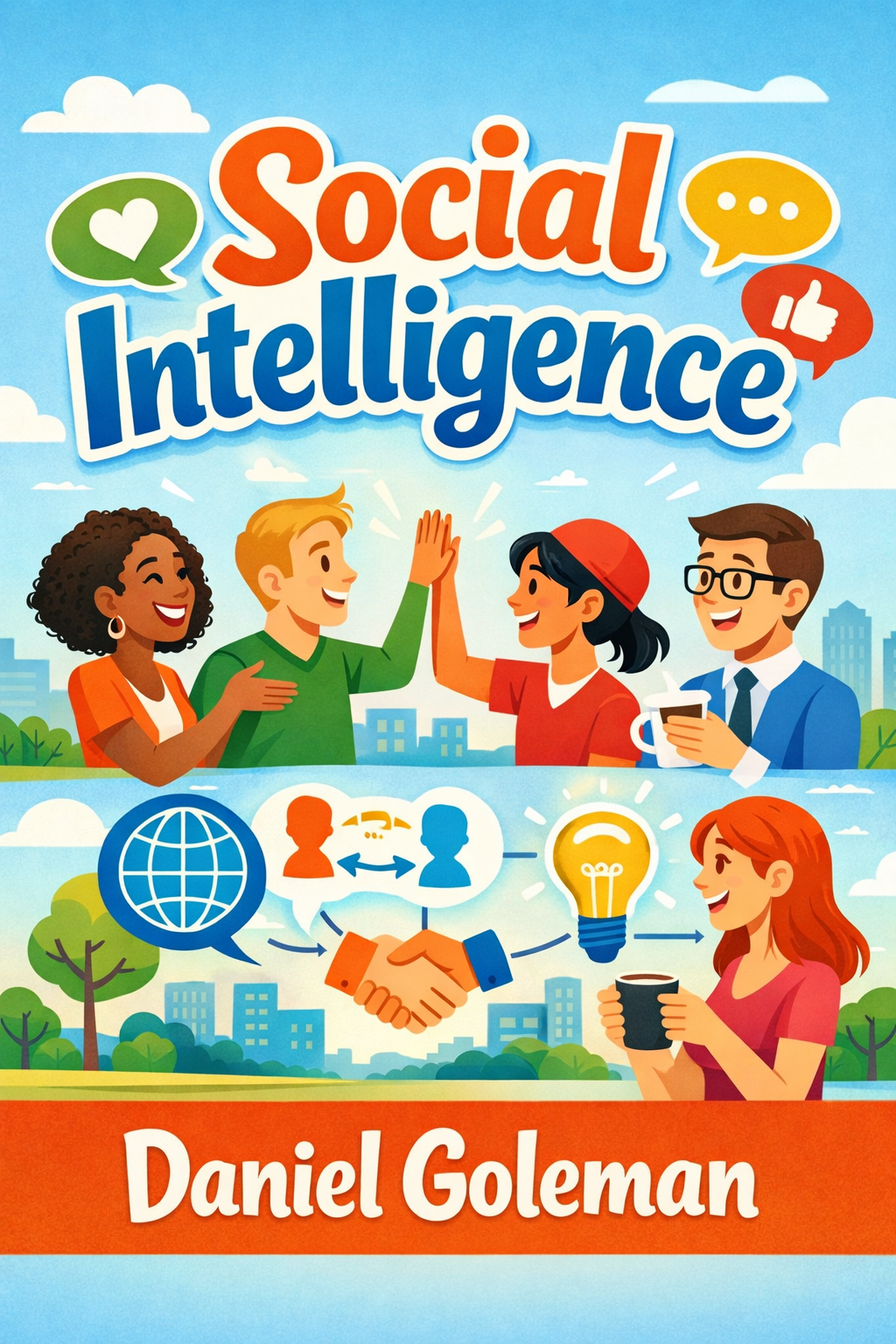
We often think of intelligence as a solitary affair, a measure of raw brainpower locked within our skulls. Yet, a deeper, more transformative form of intelligence operates in the space between us. This is the capacity to connect, understand, and navigate our social world. It is not about manipulating others for gain, but about the mutual exchange that shapes who we are from our earliest moments to our final days. This intricate dance of connection literally wires our brains, dictates our emotional health, and forms the foundation of a meaningful life.
The science reveals that our nervous systems are not self-contained. They are designed to connect with the systems of others, creating a powerful interpersonal bridge. This link begins the moment a mother locks eyes with her newborn, a silent conversation that regulates the infant’s heart rate and stress levels. Our brains are social organs, perpetually tuned to the people around us. We catch emotions as easily as we catch a cold, a phenomenon rooted in neural mirroring where our own brain activity reflects the actions and feelings we observe. A smile, a frown, a tone of voice—these are not just signals; they are direct inputs that alter our own internal state. This neural wifi means that every interaction leaves a biological imprint.
This constant exchange forms the bedrock of our relationships, which can be broadly seen as either nourishing or toxic. Nourishing encounters are characterized by empathy, where we truly feel with another person. It involves attunement—listening with our full being, not just our ears—and a genuine, consistent presence that makes others feel seen and safe. In these moments, the social brain thrives. Conflict is managed with respect, communication is clear, and there is a sense of mutual uplift. These connections act as a buffer against life’s hardships, strengthening our immune system, calming our cardiovascular stress, and fostering resilience.
In stark contrast, toxic interactions are a form of social poison. They are defined by rigidity, where one person imposes their reality without regard for the other. Contempt, criticism, and emotional stonewalling shred the interpersonal bridge, triggering the same primal threat response in the brain as a physical attack. Chronic exposure to such toxicity, whether in a destructive marriage, a bullying workplace, or a neglectful childhood, has devastating consequences. It elevates stress hormones, weakens the body’s defenses, and over time, can rewire the brain for heightened anxiety and depression. The pain of social rejection, neuroscience shows, activates the same neural pathways as physical injury.
The implications of this social reality extend into every corner of our lives, most powerfully into the realm of raising children. A parent’s emotional style is a child’s first and most important lesson in human connection. The attuned parent who soothes a distressed infant teaches self-regulation. The parent who engages in joyful, focused play builds neural pathways for healthy social engagement. Conversely, parental stress, anger, or indifference can prime a child’s nervous system for vigilance and anxiety. Education, too, is a social endeavor. A teacher who creates a safe, connected classroom environment doesn’t just teach math; she teaches students how to learn, cooperate, and believe in themselves. The emotional climate of a classroom can enhance or cripple a child’s cognitive capacity.
The workplace is another arena where social intelligence proves its practical worth. Leaders who operate with empathy and awareness inspire loyalty, creativity, and better performance. They understand that a team’s emotional state is a critical business metric. The toxic boss, who rules through fear and humiliation, may secure short-term compliance but breeds resentment, burnout, and high turnover, crippling the organization from within. Similarly, in healthcare, the relationship between a patient and a compassionate caregiver is itself therapeutic, influencing recovery rates and treatment outcomes.
Ultimately, this understanding points us toward a path of cultivation. Social intelligence is not a fixed trait but a set of skills that can be developed throughout life. It starts with self-awareness—recognizing our own emotional currents before they sweep us away. It grows through practiced empathy, the conscious effort to step into another’s perspective. It requires managing our distressing emotions so they don’t hijack our interactions, and it is exercised through the simple, profound acts of listening deeply, speaking with kindness, and offering our full attention.
Mastering this intelligence does not promise a life without conflict or pain. Rather, it equips us to repair ruptures, to navigate differences with grace, and to build networks of support that sustain us. It reminds us that our well-being is inextricably linked to the quality of our connections. In nurturing these bonds—from the intimate to the casual—we do more than make life pleasant. We engage in a biological and emotional imperative that shapes healthier brains, fosters compassion, and builds a more humane world, one interaction at a time.