Description
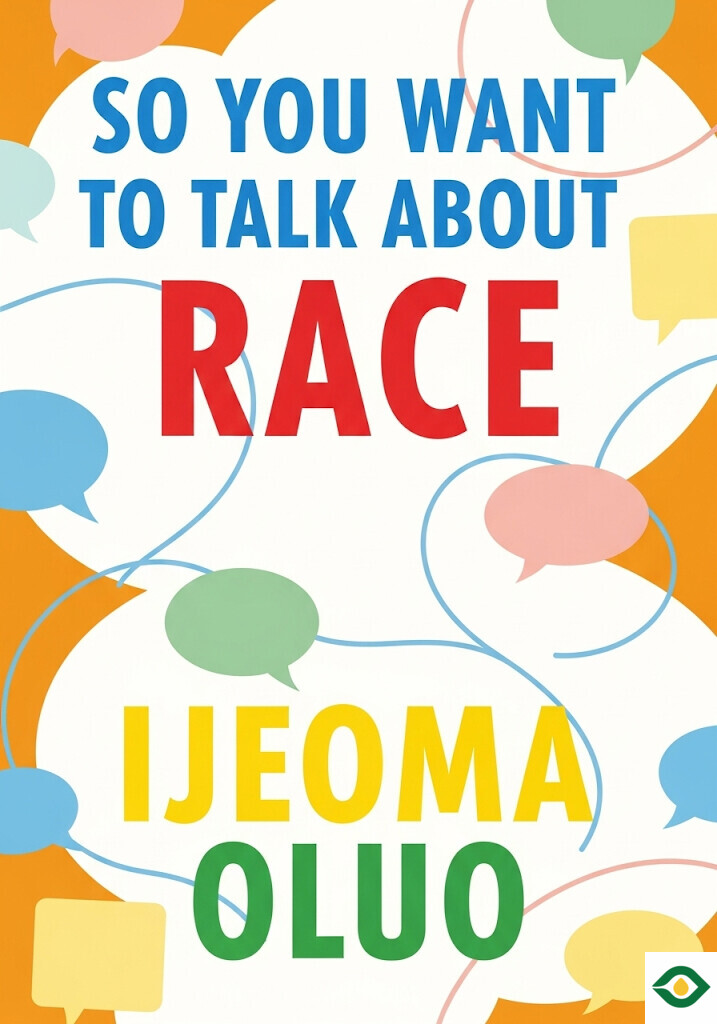
Race is one of the hardest topics to talk about in America. Many people avoid it, fearing they will say the wrong thing or upset someone. But silence doesn’t solve problems. Silence allows injustice to grow stronger. So You Want to Talk About Race by Ijeoma Oluo is a guide for those who want to face this subject with honesty and courage. It shows why racism is not just about individual prejudice but about systems of power, and it offers practical advice on how to engage in meaningful conversations that can lead to real change.
The book begins with the idea that racism is not only about how people treat one another. It is built into laws, schools, workplaces, housing, and politics. America’s history of slavery, segregation, and discrimination has created deep inequalities that still exist today. Many people believe problems of poverty or unemployment are mainly about class, but Oluo explains that race is a key factor. For example, a Black woman and a white man may both struggle with money, but their barriers are not the same. Systems treat them differently, often to the disadvantage of the Black woman.
One of the first steps is recognizing when an issue is truly about race. If a person of color says it is, we must take that seriously. If the problem affects people of color disproportionately, it is about race. If it fits into a wider pattern of disadvantage, it is about race. Too often, society narrows racism down to individual acts, like someone saying something offensive. But the real danger is in the bigger system that quietly repeats and reinforces inequality.
Talking about race is difficult, but it is necessary. Many people have never had a serious conversation about racism, even with their own family. Oluo describes her first deep talk with her white mother. Her mother wanted to defend herself as a good person, but Oluo explained that understanding racism is not about proving personal goodness. It is about looking honestly at how society works and then deciding what role we will play in changing it.
These conversations will often be uncomfortable. Mistakes will happen. People might get defensive or emotional. But Oluo stresses that discomfort is not a reason to stop. If we truly care about justice, we must be willing to sit in discomfort, listen, and learn. A few simple guidelines help: state your intentions, do some research before asking basic questions, and be willing to check your own ego. Conversations about race are not competitions. They are chances to grow.
Another key theme is privilege. Privilege does not mean your life has been easy. It means there are certain struggles you have been spared because of who you are. For example, if you never worry about being followed in a store because of your skin color, that is privilege. If teachers assume you are smart because of how you look, that is privilege. Checking privilege means pausing to ask: Am I benefiting from advantages others are denied? When we recognize privilege, we can use that awareness to create fairer systems.
Intersectionality is another important idea. Coined by scholar Kimberlé Crenshaw, it means understanding how different aspects of identity—like race, gender, disability, or class—interact to shape someone’s life. Without intersectionality, movements for justice often end up centering the most privileged within a group. For example, if feminism only focuses on white, middle-class women, it leaves behind women of color and poor women. Intersectionality helps ensure that everyone’s voice is heard.
Policing is a subject where systemic racism is very visible. Statistics show that Black drivers are far more likely to be stopped, searched, or arrested than white drivers. Police killings of Black and Native American people are disproportionately high. This is not simply about a few bad officers—it is the result of centuries of bias. The earliest American police forces were created to control enslaved people and suppress Native populations. That legacy continues in modern practices. Building trust requires more than better training; it requires structural changes, investment in communities, and listening to the people most harmed by police violence.
Affirmative action is another tool the book defends. It is not about giving “special treatment” but about correcting historic imbalance. For generations, Black and Hispanic children have been placed in underfunded schools, denied opportunities, and pushed out through harsh discipline. Affirmative action attempts to ensure that workplaces and universities reflect the diversity of the population. Without it, the wealth and education gaps will persist indefinitely.
Schools also play a huge role in perpetuating inequality. Punitive discipline often targets students of color, labeling them “troublemakers” for behaviors tolerated in white students. This creates a “school-to-prison pipeline,” where suspensions and expulsions push children into cycles of mistrust and failure. Oluo shares the story of her brother, who was unfairly punished, humiliated, and eventually dropped out. His life was changed by one teacher’s bias. Such practices must be challenged by parents, educators, and communities demanding fair treatment and inclusive curricula.
Language, too, is a powerful tool of oppression. The n-word, for example, has a violent history tied to slavery and lynching. Though some Black communities may reclaim it, its use by outsiders continues the cycle of harm. Cultural appropriation is another issue. When a dominant culture takes clothing, music, or traditions from marginalized groups while those same groups are punished or excluded for practicing them, it reinforces inequality. Microaggressions—small but constant slights like “You’re so articulate” or touching someone’s hair without consent—may seem trivial but cause deep harm when repeated daily.
Tone-policing is another harmful practice. Often, when people of color speak about injustice with anger, they are told to “calm down” or “be nicer.” This shifts the focus from the injustice to the speaker’s tone, silencing their message. Similarly, the “model minority” myth about Asian Americans suggests they are hardworking, obedient, and successful. While it looks positive on the surface, it hides the struggles of many Asian communities, erases diversity, and sets up competition between groups of color instead of solidarity.
The book ends with hope. Young people today are not satisfied with silence or token gestures. They are demanding real change, whether through protests, community organizing, or challenging institutions. But Oluo reminds readers that action must come with personal accountability. If you are white, you may not fully understand racism, but you can listen, learn, and support change. If you are called out for saying or doing something racist, don’t rush to defend yourself. Pause, reflect, and focus on making things better.
Most importantly, action is needed now. People are dying because of racism. It is not enough to talk endlessly; we must vote, organize, support businesses run by people of color, donate to justice movements, and hold institutions accountable. Change comes from daily choices as much as from big movements.
In the end, the message is clear: Racism is not just the burden of those who suffer from it. It is everyone’s responsibility to dismantle it. Talking honestly, checking privilege, practicing intersectionality, rejecting bias, and taking action are the steps each of us can take. The fight is ongoing, but it begins with courage to face the truth—and the willingness to do better together.