Description
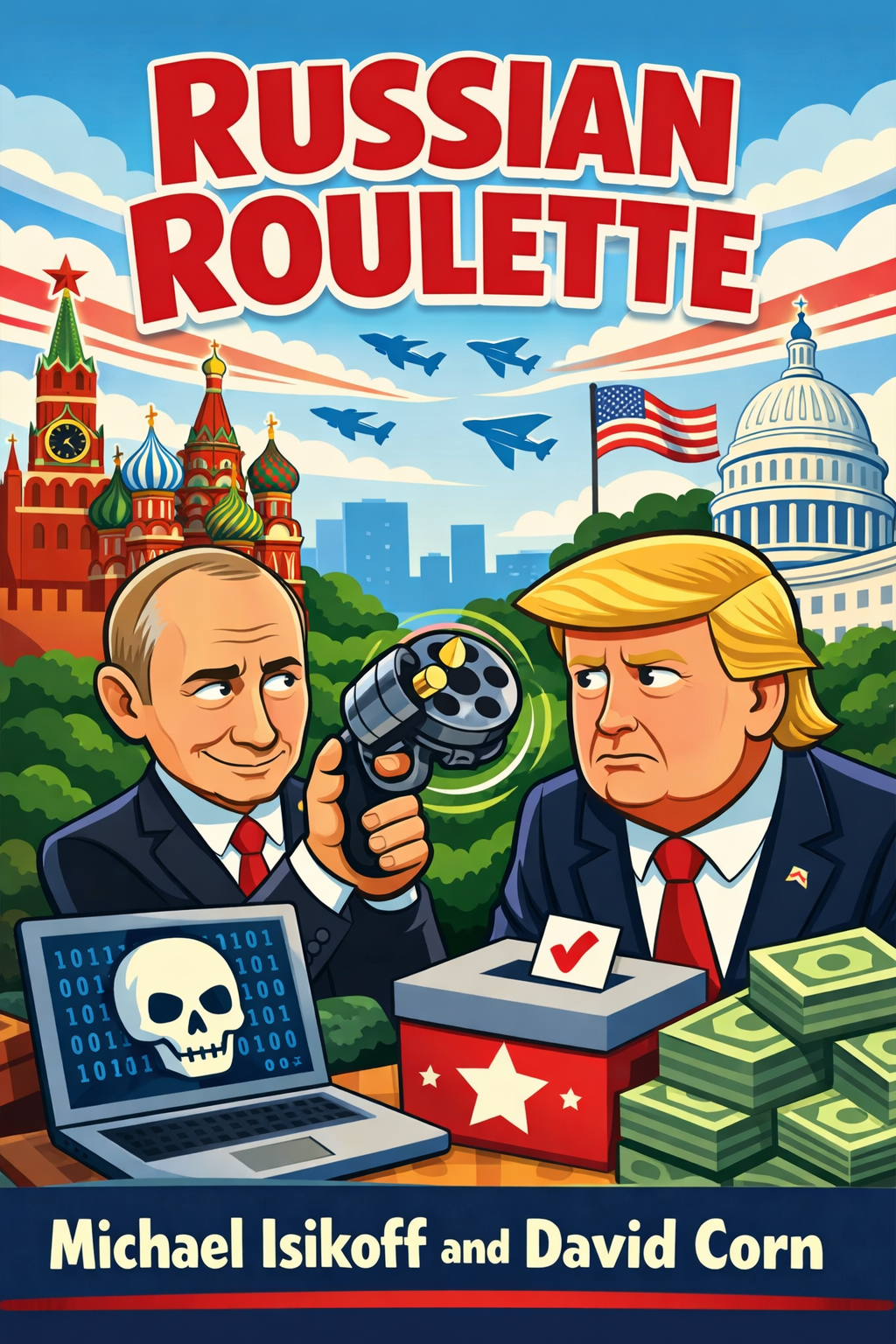
The 2016 American presidential election stands as one of the most tumultuous and scrutinized political events in modern history. At its shadowy core lies a story of international intrigue, digital espionage, and unprecedented foreign interference. This narrative meticulously pieces together the sequence of events, revealing how a long-standing desire for business expansion evolved into a geopolitical operation that shook the foundations of American democracy. It begins not in a campaign office, but at a glitzy Moscow pageant, where a future president’s ambitions first intertwined with the interests of a powerful foreign state.
For years, Donald Trump had pursued a grand commercial dream: a Trump Tower in Moscow. This pursuit led him to lavish praise on Russian President Vladimir Putin and forge partnerships with Russian-connected oligarchs. His 2013 trip to Moscow for the Miss Universe pageant was a calculated effort to win favor and secure a deal, a mission that ended in a near-meeting with Putin himself. Meanwhile, the geopolitical landscape was shifting. The Obama administration’s early efforts to “reset” relations with Russia had frozen solid following Putin’s return to the presidency, his annexation of Crimea, and the resulting Western sanctions. These very sanctions would ultimately stall Trump’s Moscow project, but they also fueled Putin’s deep-seated resentment toward figures like Hillary Clinton and Barack Obama, whom he viewed as obstacles to Russian resurgence.
As Trump launched his presidential campaign, Putin’s Russia launched a different kind of offensive. A sophisticated cyber campaign, orchestrated by military intelligence hackers, targeted American political institutions. The Democratic National Committee and the Clinton campaign were systematically infiltrated, with thousands of emails stolen. This digital theft was not an end in itself, but the means to a disruptive end. Simultaneously, a vast army of internet trolls weaponized social media, flooding platforms with disinformation designed to sow discord, amplify division, and damage Clinton. This was a new, hybrid war, fought in the invisible trenches of the internet.
Against this backdrop of covert Russian aggression, the Trump campaign operated with a striking number of individuals who had deep and questionable ties to Russia. Campaign chairman Paul Manafort had a history of advising pro-Russian Ukrainian oligarchs and owed millions to a Putin-linked billionaire. Foreign policy adviser Carter Page had built his career on investments in Russian energy. Another adviser, George Papadopoulos, was courted by mysterious figures claiming high-level Russian connections, who dangled offers of “dirt” on Clinton. These relationships created a pervasive atmosphere of openness to Russian overtures, raising alarming questions about the campaign’s priorities.
The most infamous of these overtures occurred in June 2016, when a Russian lawyer with ties to the Kremlin was ushered into Trump Tower for a meeting with Donald Trump Jr., Manafort, and Jared Kushner. Promised damaging information on Clinton as “part of Russia and its government’s support for Mr. Trump,” the campaign’s inner circle eagerly accepted the meeting. When the hacking operation bore fruit, the stolen documents were funneled to WikiLeaks, which began their strategic release to maximum damaging effect during the Democratic National Convention and throughout the fall. The Trump campaign, notably, showed no inclination to alert U.S. authorities to these foreign attempts at influence, and at times, seemed to openly encourage them.
As the intelligence community began to grasp the full scale of the interference, the Obama administration faced a paralyzing dilemma: how to respond without appearing to meddle in the election itself. A carefully crafted public statement attributing the hacks to Russia was nearly lost in a whirlwind of other news. A direct confrontation between Obama and Putin at the G20 summit yielded only a hollow denial. The mechanisms of the U.S. government seemed ill-equipped to counter a threat that was both undeniable and politically explosive. The operation achieved its primary goal: Donald Trump was elected president. The full scope of the Russian effort, and the nature of any coordination with the Trump campaign, would remain shrouded, leading to one of the most divisive investigations in American history. This account reveals a stark reality where business ambitions, political opportunism, and a foreign power’s vendetta converged, leaving a lasting scar on the nation’s political fabric and forever changing how democracies perceive their vulnerabilities.