Description
The experience of obsessive thoughts and compulsive behaviors can feel like being trapped in a mental prison, where worries transform into relentless fixations. This condition often stems from a misunderstanding of our own brain’s intricate alarm system. By exploring the neurological roots of these patterns, we can move from being controlled by them to understanding and ultimately managing them. The journey begins by distinguishing between normal worry, which is situational and fades, and true obsession, which is persistent, cyclical, and often leads to compulsive actions performed in a desperate search for relief. These obsessions commonly revolve around themes of contamination, order, violence, or perfectionism, and the temporary solace found in compulsions only reinforces the anxious cycle.
At the heart of this process lies a small, ancient part of our brain called the amygdala, which functions as a vigilant, if overly cautious, security guard. It processes sensory information through two primary pathways. The first is a slower, thoughtful route where data is analyzed by the cortex—the brain’s reasoning center—before being sent to the amygdala for a considered response. The second is a lightning-fast emergency pathway that sends signals directly from the senses to the amygdala, bypassing rational thought entirely. This shortcut is a survival gift from evolution, designed for genuine, immediate threats. However, in the context of obsessive patterns, this system malfunctions. The amygdala, which cannot distinguish between a real physical threat and a distressing mental thought, can be triggered by either. It then initiates a full-body defense response—flooding the system with stress hormones, increasing heart rate, and tensing muscles—even when the “danger” is merely an unwanted idea.
Furthermore, our powerful human cortex, capable of imagination and forecasting, can inadvertently become a source of anxiety. When we consciously dwell on a fearful possibility, like a health scare or a relationship worry, the amygdala monitors this cortical activity. It misinterprets this intense focus as evidence of a real threat and sounds the alarm. This creates a vicious loop: the thought triggers anxiety, the physical symptoms of anxiety are then taken as proof that the thought is valid, which intensifies the thought, and so on. This “cognitive fusion,” where we believe our thoughts are literal truths, is amplified in obsessive cycles. The key insight is recognizing that the problem isn’t the initial intrusive thought—which nearly everyone experiences—but the neurological and behavioral reaction to it.
Armed with this knowledge, we can employ strategies to manage and rewire these responses. The first step is conscious observation. When anxiety surges, instead of fighting it, pause and neutrally note the physical symptoms: a racing heart, tight chest, or sweating. This act of mindful awareness shifts some activity back to the rational cortex, subtly dialing down the amygdala’s panic signal and helping you see the reaction as a false alarm. Diversion is another powerful tool. Since the brain struggles to focus fully on two things at once, deliberately engaging in an absorbing activity—a conversation, a walk, a puzzle—can disrupt the obsessive loop.
Crucially, once the amygdala’s defense response is activated, the built-up energy needs a release. Trying to suppress it is often futile. Instead, channel this energy through physical exercise. Movement metabolizes stress hormones, relaxes muscles, and prompts the amygdala to stand down, often providing a natural mood boost similar to medication but without side effects. Finally, use your cortex’s power for good by practicing grounding in the present moment. Obsessive thoughts are almost always about an imagined future or a dissected past. Gently returning your focus to your immediate sensory environment—what you can see, touch, hear, and feel right now—pulls you out of the speculative cycle that feeds anxiety.
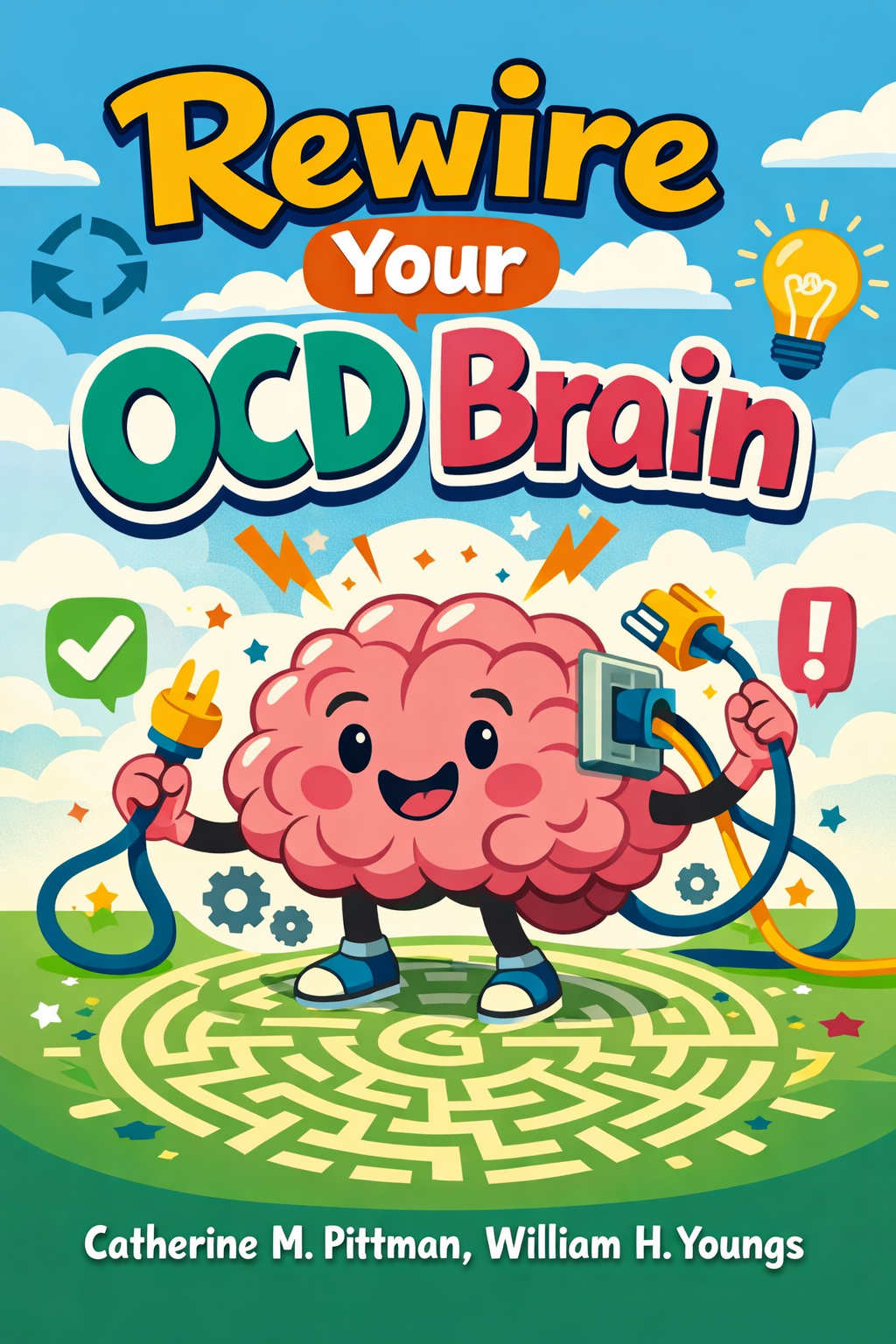
The ultimate goal is neuroplasticity—the brain’s ability to form new connections. By consistently applying these techniques, you are not just coping with symptoms but actively training your brain. You are teaching the amygdala that certain thoughts are not emergencies and strengthening the cortex’s ability to remain in the executive seat. This process weakens the old, fearful neural pathways and builds new, resilient ones. It is a journey from feeling victimized by your own mind to becoming its knowledgeable and compassionate guide, fundamentally rewiring your relationship with anxiety and reclaiming a sense of calm and control.