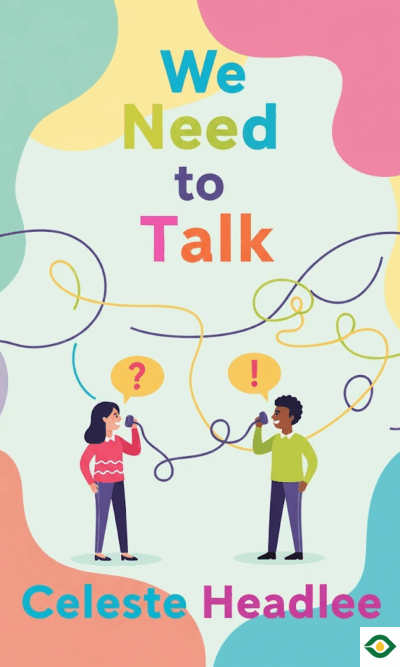
Description
The ability to accurately interpret the people around you is not a mystical talent but a practical skill that can be cultivated. This book provides a toolkit for moving beyond superficial interactions to grasp the deeper currents of human motivation and emotion. It begins by exploring the fundamental drivers of behavior, encouraging you to look past actions to their root causes. Understanding these hidden forces allows for more meaningful and effective communication, transforming how you navigate both personal and professional relationships.
Human actions are rarely random; they spring from a complex web of internal drives. To decipher these, the book introduces key psychological concepts. The “shadow self” represents the repressed parts of a personality that occasionally surface, explaining sudden outbursts of behavior that seem out of character. The “inner child” reflects how unmet childhood needs or past wounds can trigger disproportionate emotional reactions in adults. Furthermore, Maslow’s hierarchy of needs provides a framework for understanding what a person is prioritizing at any given moment, from basic security to the pursuit of personal fulfillment. By synthesizing these ideas, you can develop a more compassionate and accurate picture of what truly motivates others, allowing you to respond appropriately rather than reacting to surface behavior.
While words are deliberate, our bodies often communicate more honestly. The book delves into the rich language of non-verbal cues, starting with microexpressions—those involuntary, split-second facial movements that reveal genuine emotion before a person can mask it. True understanding, however, requires observing the entire body. From posture and gestures to subtle shifts in stance, the physical self tells a continuous story. The key to reading this language is not in interpreting a single gesture in isolation but in establishing a person’s normal “baseline” behavior. Once you know how someone typically acts, deviations from that norm—a usually calm person fidgeting, or a reserved individual making intense eye contact—become meaningful data points. The process involves pattern recognition, gathering contextual evidence, and noting behaviors like mirroring, which often signals rapport and agreement.
Personality provides the consistent backdrop against which these behaviors play out. The book examines established frameworks like the Big Five model, which maps core traits like openness and conscientiousness, and the Myers-Briggs Type Indicator, which categorizes preferences in how people perceive the world and make decisions. These systems are presented not as rigid boxes but as lenses to appreciate the nuanced spectrums of human personality. Understanding that a person tends toward introversion or values concrete data over abstract theory helps you tailor your approach and interact with them more effectively on their own terms, moving from frustration to curiosity.
This foundational knowledge naturally leads to one of the most sought-after applications: detecting deception. Since people do not always communicate their true intentions, the ability to read between the lines is a vital social defense. Lies and manipulations often create internal stress for the liar, which can leak through inconsistencies between their words and their body language, subtle changes in vocal tone, or a breakdown in their usual behavioral patterns. The book cautions against jumping to conclusions based on a single “tell,” advocating instead for a holistic view that considers the context, the individual’s baseline, and clusters of suspicious signals. The goal is not to become paranoid, but to develop a healthy, discerning awareness that protects you from manipulation and fosters more authentic connections.
Ultimately, mastering these skills hinges on the power of focused, non-judgmental observation. It is about quieting your own internal narrative and biases to truly see and listen to another person. This practice transforms interactions from transactional exchanges into opportunities for genuine connection. By learning to interpret the silent dialogues of the face and body, appreciate the structures of personality, and understand core motivations, you equip yourself to navigate the social world with greater confidence, empathy, and insight. You move from guessing to knowing, building stronger relationships based on a deeper understanding of the complex individuals around you.