Description
For many who experienced difficult childhoods, the past isn’t simply a memory—it’s a living, breathing pattern wired into the body. Long after the events themselves, the nervous system can remain on high alert, interpreting the present through the lens of past danger. This manifests not as a character flaw, but as a physiological reality: emotional reactions that feel outsized and uncontrollable, chronic anxiety that defies logic, a pervasive sense of being unsafe in the world, and relationships that echo old, painful dynamics. Traditional healing paths often focus on the story of what happened, analyzing thoughts and memories. Yet for countless individuals, this approach falls short, leaving them intellectually understanding their pain but physiologically reliving it. The core insight here is that healing must begin not with the mind’s narrative, but with the body’s alarm system.
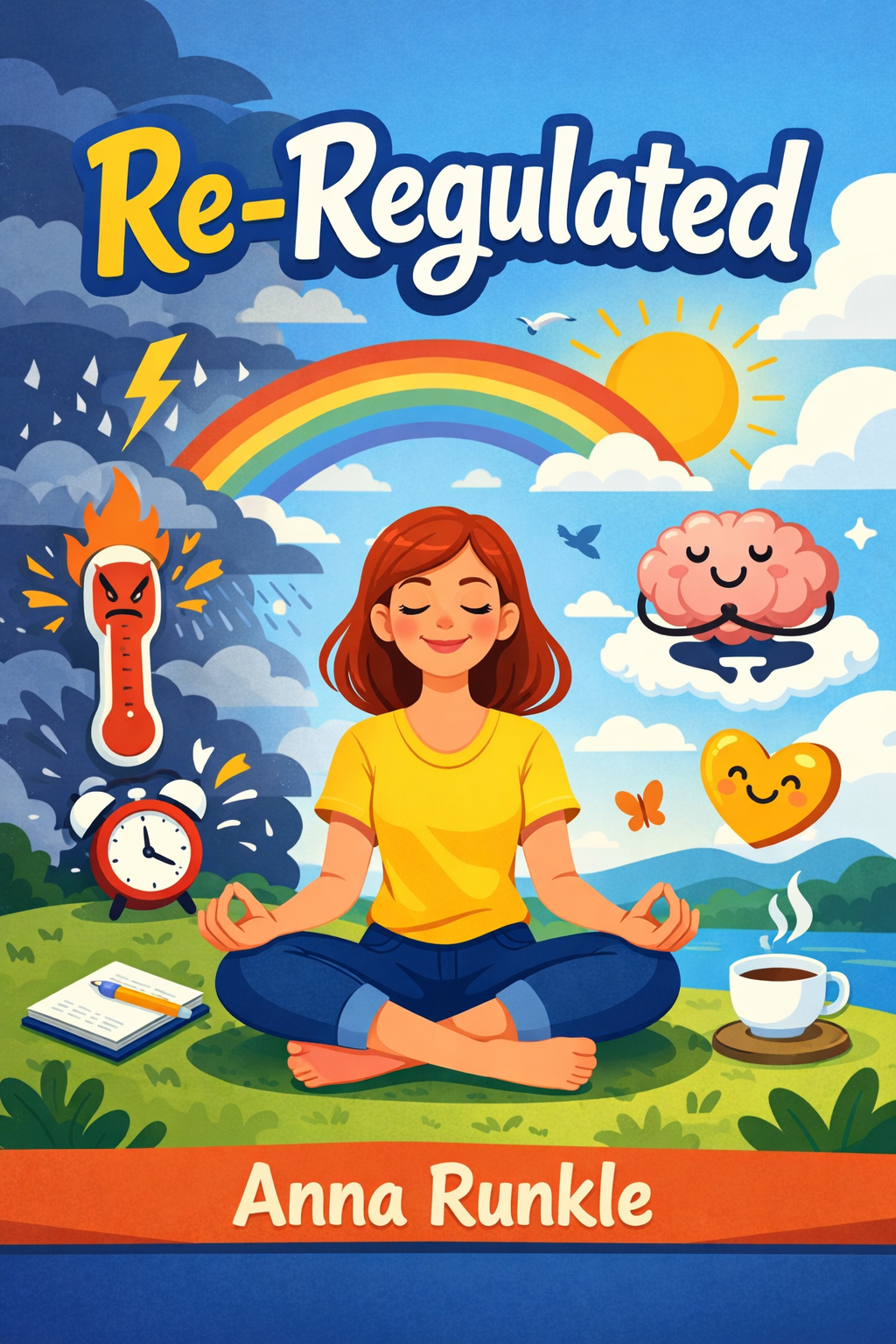
The book presents a compassionate and practical alternative: a direct, daily method to retrain the nervous system itself. It argues that the adaptations which once ensured survival—the hyper-vigilance, the quick trigger to fight, flee, or freeze—can be gently, persistently rewired. The goal is not to erase the past, but to cultivate a new, embodied sense of safety in the present. This process, termed re-regulation, is founded on the principle of neuroplasticity: the brain and nervous system’s lifelong ability to form new, healthier connections based on repeated experience. By consistently providing the body with experiences of calm and safety, we can teach it that danger is no longer the constant, default state.
The methodology is elegantly simple, built on brief, accessible practices that become woven into the fabric of daily life. It starts with creating bookends to the day: short periods of quiet meditation in the morning and evening. These are not about achieving a blank mind or spiritual transcendence, but about anchoring the body. In the morning, it’s a chance to set a regulated tone before engaging with the world; in the evening, it’s an opportunity to discharge the accumulated tensions of the day and signal to the nervous system that it is safe to rest. Central to this is the power of the breath. Specific, slow breathing patterns, particularly those that emphasize a long, gentle exhale, act as a direct lever on the vagus nerve—the central command of the body’s relaxation response. This is a tool always at your disposal, a way to dial down the internal alarm before it reaches a full siren.
Crucially, this work develops a refined sense of body awareness. It teaches you to become a detective of your own internal state, noticing the early, subtle signs of dysregulation—a slight clenching in the jaw, a quickening of the breath, a knot in the stomach—long before they escalate into emotional flooding or reactive behavior. This awareness creates a critical pause, a space between trigger and reaction where choice becomes possible. Journaling complements this by helping to identify personal patterns and triggers without getting lost in the stories behind them. The integration extends into the flow of the day through “mini-practices”: intentional moments to check in, breathe, and reset, transforming re-regulation from a scheduled task into a living skill.
Ultimately, this journey is framed not as a quick fix, but as a compassionate, lifelong practice of returning home to yourself. It moves away from the model of a cure and towards the cultivation of a skill set. There will be days of ease and days of struggle, but the consistent return to these practices builds a new neural foundation. The promise is not a life free from stress or emotion, but the capacity to navigate life’s inevitable challenges from a place of grounded stability, rather than from the frantic, familiar territory of survival mode. It is about reclaiming the ability to feel joy, engage in healthy relationships, and live with a sense of authenticity and ease, finally giving your body the safety it has been seeking for so long.