Description
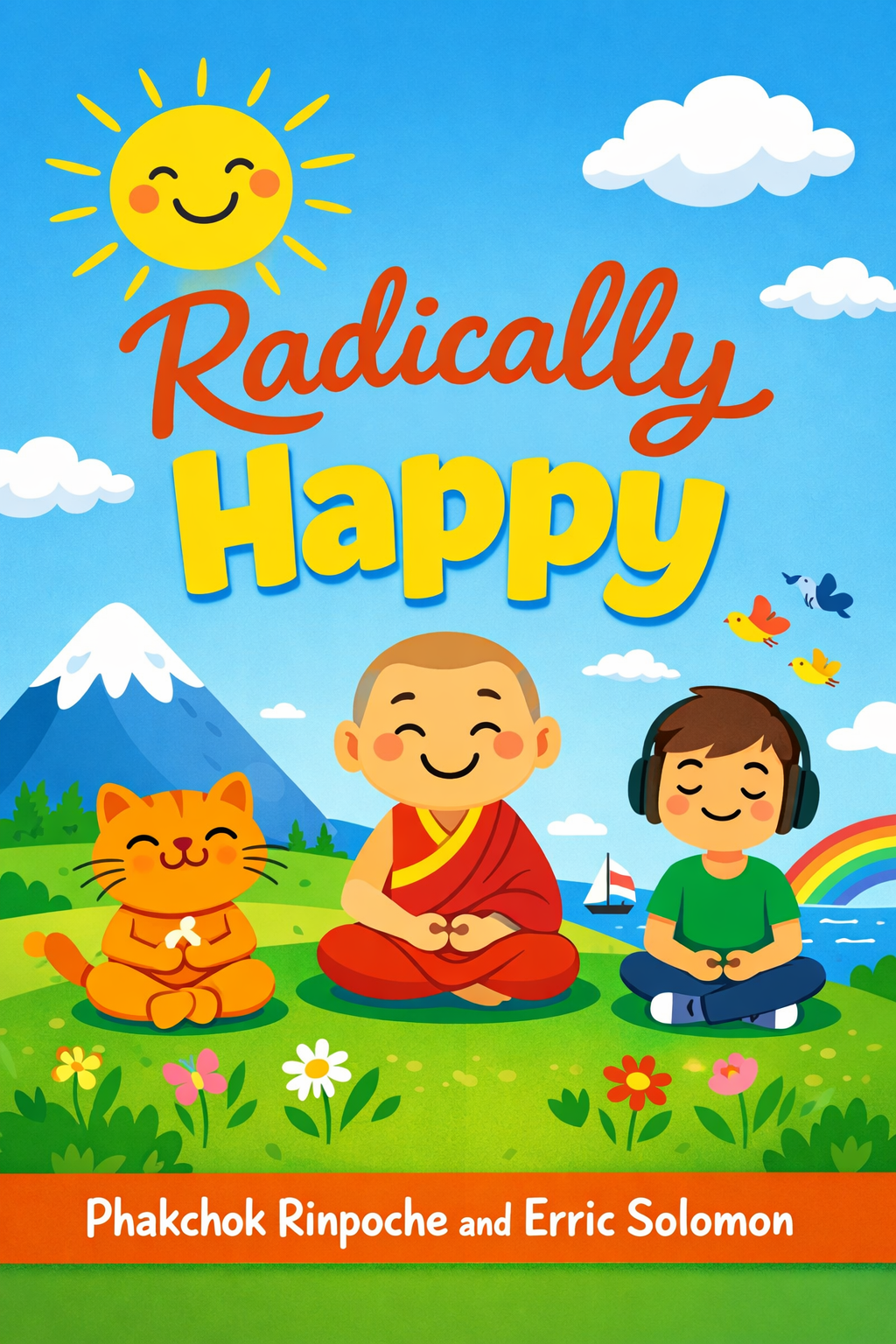
What if everything you believe about finding happiness is wrong? We chase after promotions, dream of bigger houses, and imagine that a change in our relationship status will finally bring us the contentment we crave. Yet, as this book reveals, these external conditions are fleeting sources of joy. True, radical happiness is not something that happens to you; it is a way of being that you cultivate from within, independent of life’s inevitable ups and downs. This journey begins with a fundamental shift: understanding that your own mind, with its constant chatter and comparisons, is often the very thing standing between you and a profound sense of peace.
The pursuit typically starts with looking outward. We assume that a major windfall would bring eternal bliss, while a tragic accident would spell endless despair. However, psychological research into both lottery winners and individuals who have experienced severe accidents shows that, after an initial period of adjustment, people tend to return to their baseline level of happiness. This phenomenon, known as hedonic adaptation, proves that circumstances alone cannot grant lasting fulfillment. The new car loses its shine, the excitement of the promotion fades, and we find ourselves on the hunt for the next source of pleasure, trapped in a cycle of wanting. Recognizing this trap is the first, liberating step. It means redirecting your search from the world outside to the landscape within your own awareness.
The core of the internal work involves changing your relationship with your thoughts. Imagine your mind as a restless guest at a party, constantly demanding attention, jumping from one topic to another, and stirring up drama. Our instinct is to chase after every thought, to believe its stories, and to react to its provocations. This constant “mind-wandering” is our default state, yet it is also a state in which we report being less happy. The alternative is to learn the art of presence. A simple introductory practice involves sitting quietly and visualizing yourself within an endless, deep-blue sky. This “creating space” exercise isn’t about emptying the mind, but about shifting focus away from the content of your thoughts to the vast awareness that holds them. When you notice you’ve been pulled into a story, you gently return to the feeling of spaciousness. This begins to break the habit of being enslaved by your own thinking.
To further train this capacity for focus, you can give your busy mind a simple job. Just as a wise host might hand a disruptive guest a drink to settle them, you can placate your mind by giving it an object of meditation. Sitting comfortably, you gently bring your attention to the natural rhythm of your breath. You feel the air moving in and out, the rise and fall of your chest. The goal is not to achieve perfect concentration, but to practice noticing when your attention has wandered and, without judgment, guiding it back. This act of returning, again and again, is the practice. It builds the mental muscle of present-moment awareness, teaching you that you can be at peace even when thoughts are present—you simply don’t have to follow them.
Alongside calming the mind, cultivating a grateful heart is essential for what the authors term “basic happiness.” Our minds have a natural negativity bias and a tiresome habit of comparing our lives to others’, leaving us feeling inadequate and perpetually wanting more. Gratitude is the direct antidote to this. It is a conscious choice to focus on what is already good and abundant in your life. A powerful method is to integrate it into your daily routine. As you breathe in, silently think, “I am happy with who I am.” As you breathe out, think, “I am happy with what I have.” Repeating this cycle shifts your internal narrative from one of lack to one of appreciation. Keeping a nightly journal where you record one specific thing you are grateful for reinforces this new pattern, training your brain to scan for positives.
The ultimate aim is to carry this calm, appreciative awareness off the meditation cushion and into the flow of daily life. This is done through mindful mini-breaks. Whether you’re washing dishes, walking to your car, or waiting for a computer to load, you can pause for just a few seconds. Feel your feet on the ground, notice a few breaths, or simply take in the sights and sounds around you without labeling them. These tiny pauses are like hitting the reset button, pulling you out of autopilot and back into the richness of the present. They dissolve the artificial barrier between “meditation time” and “life time,” allowing the quality of your practice to infuse your entire day.
The journey then expands outward from personal peace to what is called “interconnected happiness.” This is the understanding that our well-being is deeply tied to the well-being of those around us. Isolation and self-absorption are sources of suffering, while connection and kindness are sources of joy. You can cultivate this by actively practicing warmth in your relationships. Start by sincerely wishing well for yourself, then extend those wishes to a loved one, then to a neutral person, and finally, most challengingly, to someone with whom you have difficulty. This meditation on kindness breaks down the mental barriers we erect between “self” and “other,” revealing a natural capacity for compassion.
Extending feelings of warmth even to those you perceive as enemies is a radical act of freedom. It doesn’t mean condoning harmful behavior, but it means refusing to let another person’s actions poison your own mind with lasting hatred. Holding onto resentment is like drinking poison and hoping the other person gets sick. By practicing wishing for their happiness and freedom from suffering, you are primarily liberating yourself from the corrosive weight of anger. This completes the circle, transforming your happiness from a fragile, self-centered state into a resilient, open-hearted way of engaging with the world.
Ultimately, radical happiness is the natural result of greater understanding and awareness of your own mind. It is the realization that you are not your thoughts, and that a foundation of well-being is always accessible beneath the surface noise of wanting and worrying. By consistently practicing presence, gratitude, and kindness, you stop chasing temporary pleasures and begin to uncover a lasting contentment that can withstand life’s challenges. This is not a distant goal, but a practical path available in every moment, through every breath.