Description
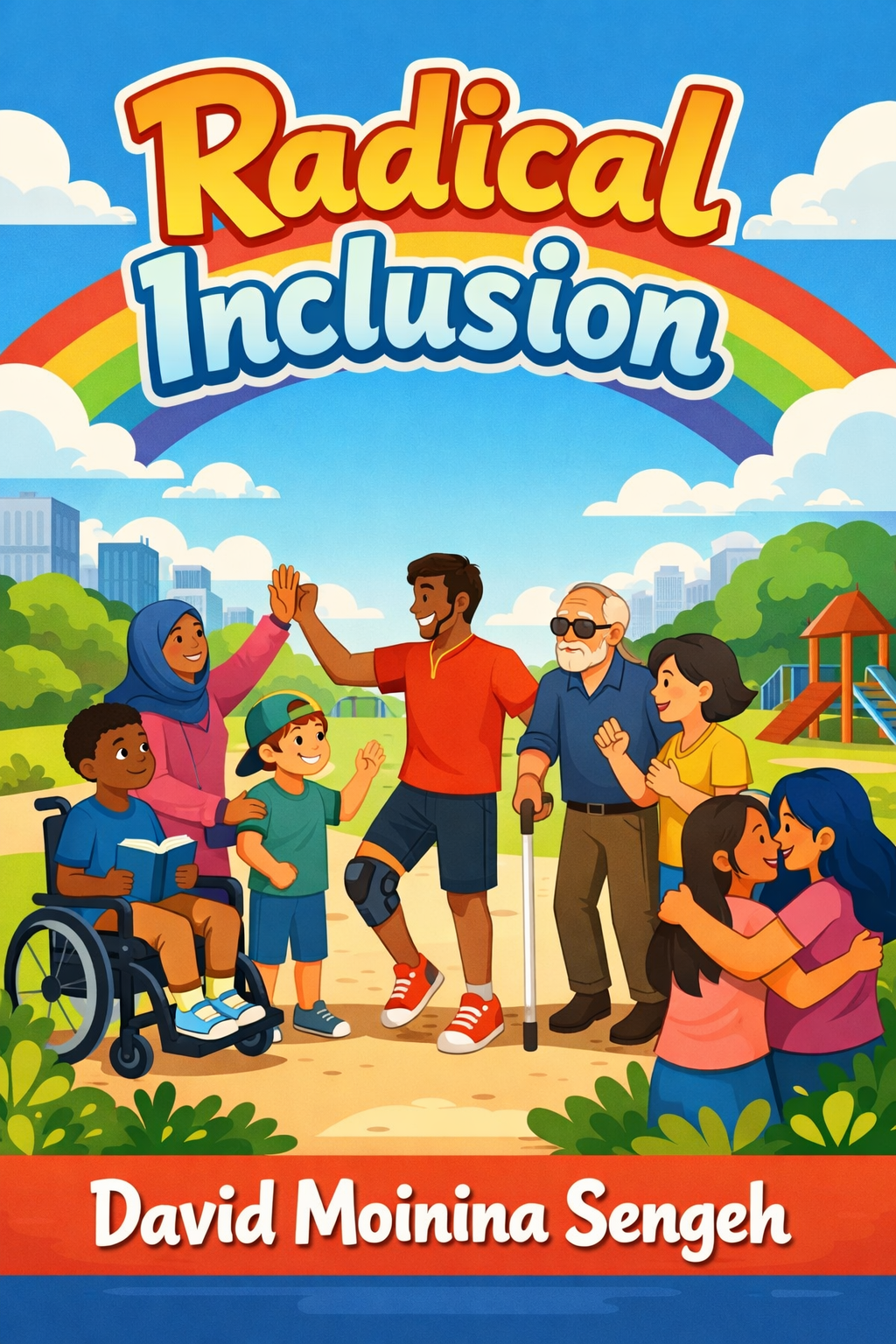
Exclusion is a pervasive force, often so woven into the fabric of our societies and daily interactions that it becomes invisible. It touches everyone, from individuals facing personal barriers to entire groups marginalized by policy. The journey toward fairness begins with making these hidden mechanisms visible. This process demands a radical shift—a commitment to intentional inclusion that goes beyond mere tolerance to actively dismantle barriers and create spaces where every person can contribute fully. This is not about erasing differences, but about valuing them as essential to building stronger, more resilient communities. The work is deliberate and sustained, requiring a clear framework to move from recognition to lasting cultural change.
The first, crucial step is to recognize exclusion by asking a simple, powerful question: Who is missing, and why? Unintentional exclusion often stems from unexamined assumptions. Consider a child never picked for a football game because peers assume his disability prevents participation; only when invited does he reveal his talent, enriching the game for all. On a systemic level, policies like Sierra Leone’s former ban on pregnant girls attending school were rooted in biases about morality and disruption. Challenging such exclusion means moving beyond assumptions to listen to the lived realities of those affected. One girl expressed she would rather endure morning sickness in class than be forced to sell goods at home—a poignant testament to the universal desire for opportunity. Identifying exclusion clearly, and centering the voices of those experiencing it, builds the foundational case for change.
True understanding, however, only comes through deep, active listening. This means creating spaces for open dialogue, especially with those who resist change, to uncover the complex web of fears, misconceptions, and cultural beliefs that uphold exclusionary systems. In Sierra Leone, town hall debates about the school ban revealed teachers’ fears of classroom disruption and falling standards. A transformative moment occurred when a respected school principal shared her own story of being forced to leave school due to pregnancy. Her testimony, linking personal experience with professional authority, reframed the issue from one of punishment to one of lost potential. Listening is not passive agreement; it is a strategic tool to identify shared values, counter myths with evidence, and find common ground. It reveals that sustainable solutions require a “whole package” of support, engaging not just institutions but families and communities.
With a clear understanding of the problem, effective action depends on defining your unique role and seizing the right moment. Leadership in inclusion is not a one-size-fits-all title; it is about aligning personal strengths, history, and passion with a specific need. For Sierra Leone’s then-education minister, a background in science and a family legacy of service through medicine and education converged at a moment of political possibility. He recognized that his position allowed him to shift public narrative, frame inclusion as a national value, and mobilize resources. This step asks: Why you, and why now? It is about finding the intersection where your skills can meet a pressing need, whether from a position of authority or as a community organizer, and stepping into that space with purpose.
Significant, systemic change is never a solo endeavor. The fourth step is to build a broad and diverse coalition. Tackling entrenched barriers requires gathering allies with complementary strengths—advocates, community leaders, teachers, and, most importantly, those directly affected by exclusion. A coalition is more than a list of supporters; it is a trusted alliance built on mutual respect and a shared vision. In Sierra Leone, involving pregnant girls in designing the policies for their return to school was vital. Their insights ensured solutions were practical and addressed real needs, not perceived ones. This inclusion transformed them from beneficiaries to architects of change, strengthening the coalition’s legitimacy and resolve. The strength of your alliance determines the durability of the change you create.
Coalitions must then move from discussion to decisive advocacy and action. This fifth step involves meticulous preparation and persistent, strategic pressure. Facing deep cultural and political resistance to lifting the school ban, the minister prepared by anticipating every objection. He gathered data, framed the policy as protecting vulnerable children and upholding human rights, and referenced past crises where schools served as safe havens. In critical meetings, he addressed fears directly, reframing the choice not as condoning pregnancy but as condemning the permanent exclusion of a child from education. Advocacy in this mold is both firm and empathetic, dismantling arguments with evidence while acknowledging the human anxieties behind them. It is the disciplined work of turning a coalition’s shared goal into tangible policy and practice.
Achieving a policy victory is a milestone, not the finish line. The sixth step is the harder work of building a new, enduring culture of inclusion. This means embedding the change into everyday practices, training teachers, revising curricula, and shifting social attitudes to prevent a regression to old norms. It requires continuous reinforcement to ensure that new policies are lived experiences, not just words on paper. The final, ongoing step is to sustain progress and address emerging challenges. Inclusion is a dynamic process; as one barrier falls, new ones may appear. This requires vigilance, adaptability, and a commitment to perpetual learning, ensuring that the culture of inclusion remains alive, expands, and deepens over time.
Ultimately, this framework charts a path from passive observation to powerful agency. It demonstrates that exclusion, however normalized, is not inevitable. By seeing it clearly, listening to understand its roots, defining your role, building collective power, advocating with courage, and diligently nurturing a new culture, systemic change is possible. The goal is a world where every community actively ensures that no one is sidelined, and where every individual has the opportunity to contribute their unique value. This is the practical, demanding, and profoundly hopeful work of radical inclusion.