Description
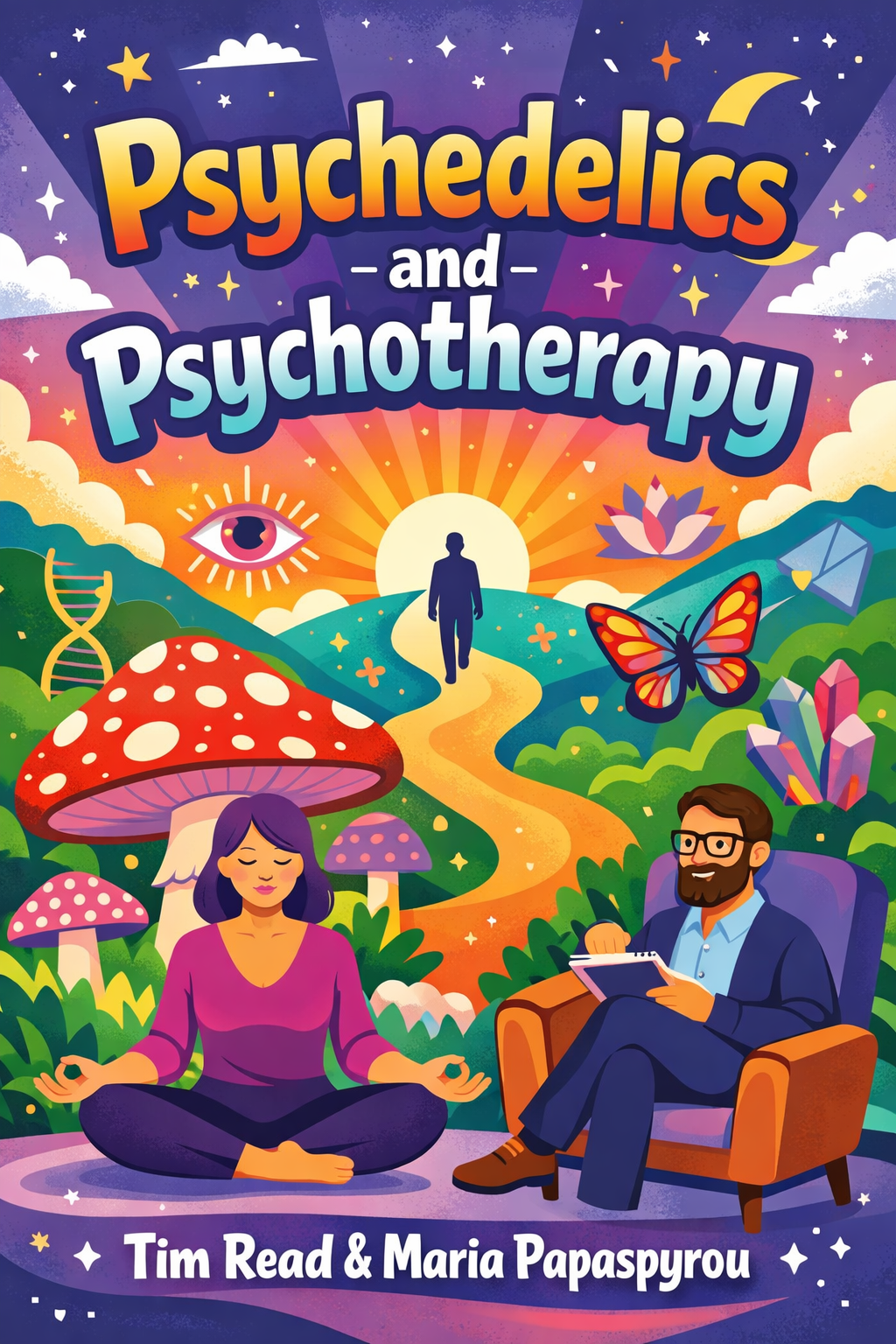
The intersection of psychedelic substances and therapeutic practice represents one of the most significant and promising frontiers in modern mental health care. For decades, these powerful compounds were relegated to the shadows of scientific inquiry, hindered by cultural stigma and legal restrictions. Today, a renaissance of rigorous research is illuminating their profound capacity to catalyze deep psychological healing. This book delves into the heart of this revolution, offering a comprehensive guide to the principles, practices, and profound implications of psychedelic-assisted therapy. It is not merely a technical manual but a thoughtful exploration of a paradigm shift, arguing that these substances can serve as powerful catalysts when used with intention, safety, and professional guidance within a therapeutic container.
The foundation of this approach rests on the unique psychoactive properties of substances like psilocybin, MDMA, and LSD. Unlike conventional psychiatric medications, which are typically taken daily to manage symptoms, psychedelics are used infrequently in controlled settings. Their primary action is not to dull or mask emotional pain but to temporarily alter consciousness in a way that can break rigid patterns of thought and feeling. The book explains how they can induce a state of heightened neuroplasticity—literally making the brain more flexible and open to change. In this state, individuals often experience a dissolution of the ego, the familiar sense of self, which can allow deeply buried memories, emotions, and insights to surface without the usual filters of fear and defensiveness. This process, while sometimes challenging, creates a critical window of opportunity.
The therapeutic framework for navigating this experience is paramount. The book meticulously outlines the essential structure of psychedelic-assisted therapy, which is always conducted in a carefully prepared, safe, and supportive environment. This model is built on three pillars: preparation, the guided psychedelic session itself, and integration. Preparation involves building a strong, trusting relationship between the guide and the participant, setting clear intentions, and establishing psychological safety. The session is not a passive experience; trained facilitators provide non-directive support, helping the individual navigate their inner journey without imposing interpretation. The real therapeutic work, however, culminates in the integration phase. Here, the raw material of the experience—the visions, emotions, and insights—is woven into the fabric of daily life. Through talk therapy, creative expression, and lifestyle changes, individuals learn to make sense of and apply what they have uncovered, leading to lasting change.
A central focus of the text is the application of this model to treat specific, often treatment-resistant conditions. It presents compelling clinical evidence for the use of MDMA-assisted therapy for severe post-traumatic stress disorder. MDMA seems to reduce fear and increase feelings of trust and compassion, allowing trauma survivors to revisit and process painful memories without being overwhelmed. Similarly, psilocybin therapy shows remarkable promise for alleviating existential distress in patients with life-threatening illnesses and for treating major depressive disorder. The book details how these experiences can lead to a profound sense of interconnectedness, a recontextualization of one’s life narrative, and a renewed sense of meaning and purpose—outcomes that are often elusive with traditional antidepressants.
Beyond clinical applications, the book explores the broader philosophical and spiritual dimensions of the psychedelic experience. It acknowledges that for many, these journeys transcend medical therapy and touch upon fundamental questions of existence, consciousness, and our place in the universe. This can lead to positive shifts in personality, such as increased openness, greater appreciation for life, and enhanced feelings of altruism. The authors thoughtfully examine the ethical considerations of facilitating such powerful experiences, emphasizing the necessity of humility, respect for the substances, and a commitment to avoiding spiritual bypass—the use of spiritual ideas to avoid facing unresolved psychological issues.
Finally, the book confronts the practical realities of integrating this work into mainstream society. It traces the complex history of psychedelics, from ancient sacramental use to mid-century research, the backlash of prohibition, and the current resurgence. It discusses the vital importance of responsible drug policy reform, the challenges of designing equitable access models, and the critical need for rigorous therapist training programs to ensure safety and efficacy. The overarching message is one of cautious optimism. Psychedelic-assisted therapy is not a panacea, and it carries risks that must be meticulously managed. Yet, as a tool for facilitating deep introspection and emotional release under professional care, it holds the potential to transform not only individual lives but also our collective approach to mental health, moving us from a model of chronic management toward one of genuine healing and transformation.