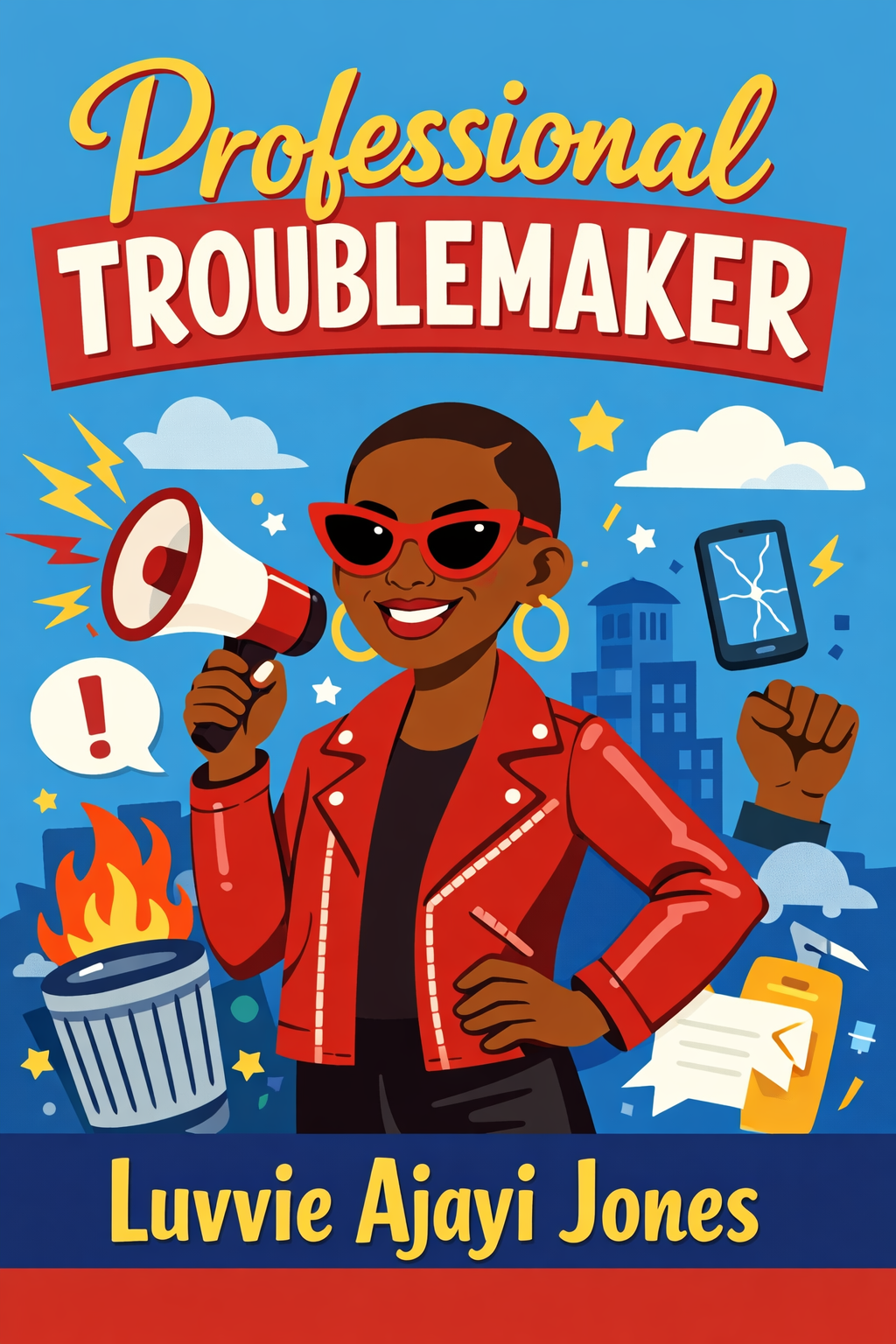
Description
This book is a rallying cry for anyone who has ever felt held back by the fear of what others might think. It argues that our deepest anxieties about not being good enough, or being “too much,” often force us into hiding our authentic selves. This isn’t just a personal loss; it’s a form of tyranny that maintains a bland and unjust status quo. The path forward is to become what the author playfully terms a “professional troublemaker”—someone who chooses courage over comfort, not to cause chaos, but to create a more honest and compassionate world. This journey begins from within, by building an unshakeable foundation in your own identity.
The first and most crucial step is to know and fiercely claim who you are. We often fear instability and rejection, so we contort ourselves to fit in, which only makes us feel more precarious. The antidote is to develop a strong, grounded sense of self that acts as an internal anchor. To build this, the book suggests a powerful exercise inspired by the Yorùbá tradition of the oríkì, a poetic praise name. Craft your own personal mantra that celebrates your lineage, your achievements, and your unique spirit without a hint of humility. This isn’t vanity; it’s a tool of self-affirmation to be revisited whenever you need reminding of your own worth and strength. When you are rooted in your own identity, external challenges feel less like threats to your existence.
A common barrier to this self-expression is the accusation of being “too much”—too loud, too sensitive, too bold. Society often uses this label to demand that people, especially from marginalized groups, make themselves smaller. The book flips this script entirely. Your so-called “too-muchness” is likely a core part of your character and a hidden superpower. That sensitivity might be profound empathy; that loudness could be infectious joy. Before you dim your light, ask yourself critical questions: Is this trait actually harming others or stifling my growth? Is the criticism coming from someone who has my best interests at heart? If not, then the problem isn’t your size, but the other person’s limited capacity. Embracing your full personality is an act of integrity.
This foundation of self-knowledge and self-acceptance fuels the next vital practice: radical honesty. We lie not because we are deceitful, but because we seek harmony and fear the consequences of truth-telling. However, silence in the face of injustice or dishonesty perpetuates harm. The call to honesty is a weighted one, acknowledging that not everyone can speak up without severe risk. Therefore, those who can must find the courage to do so, even through trembling voices. The book offers practical strategies, like using thoughtful questions to challenge prejudice or poor ideas, forcing others to examine their own logic. Before speaking, ensure your truth passes three filters: Do I mean this? Can I defend it? Are my intentions good? This framework ensures your honesty is constructive, not cruel.
Troublemaking is not a solitary grind. A major fear that fuels burnout is the fear of losing control, leading us to shoulder every burden alone. The belief that you must do everything yourself is not a sign of strength, but of deep-seated anxiety. The book presents a liberating idea: fire yourself from the jobs that aren’t yours to carry. Delegate, ask for help, and trust others to handle tasks imperfectly. The world is a group project, and you were never appointed the sole team leader. Overcoming the guilt of sharing the load is essential. It requires forgiving yourself for the impossible expectation of self-reliance and recognizing that interdependence is not weakness, but the very fabric of human connection.
Finally, the book draws a critical distinction between being nice and being kind. Niceness is often a performance of politeness that prioritizes smooth surfaces over real connection. It leads us to swallow our needs, tolerate poor treatment, and avoid necessary confrontations, allowing problems to fester. Kindness, in contrast, is rooted in empathy and courage. It cares enough to offer an umbrella in the rain and to address the behavior that is causing the storm. Kindness sometimes requires uncomfortable conversations—it means setting boundaries, giving tough feedback, and prioritizing what is right over what is pleasant. By aiming for kindness, you protect your own spirit while truly seeing and caring for others, building relationships based on authenticity rather than appeasement.
Ultimately, this is a manual for building a life of courageous authenticity. It champions the idea that by knowing yourself, refusing to shrink, speaking necessary truths, sharing the load, and practicing deep kindness, you can overthrow the internal tyranny of fear. The result is not a life free of conflict, but one rich with purpose, genuine connection, and the profound satisfaction of living as your full, unapologetic self.