Description
We often think of procrastination as a simple time management problem or a sign of laziness, but this understanding misses the mark entirely. At its core, procrastination is an emotional regulation issue. It is a sophisticated, if self-defeating, strategy for coping with the negative feelings—anxiety, fear of failure, self-doubt, boredom, resentment—that a task evokes. When faced with a duty we find threatening or unpleasant, our brain seeks an escape. Delaying the task provides immediate, though temporary, relief from that emotional discomfort. We trade the distant, abstract stress of a future deadline for the concrete, present comfort of doing something more enjoyable or less daunting. This cycle creates a powerful habit loop: negative emotion triggers avoidance, which delivers relief, reinforcing the behavior for next time.
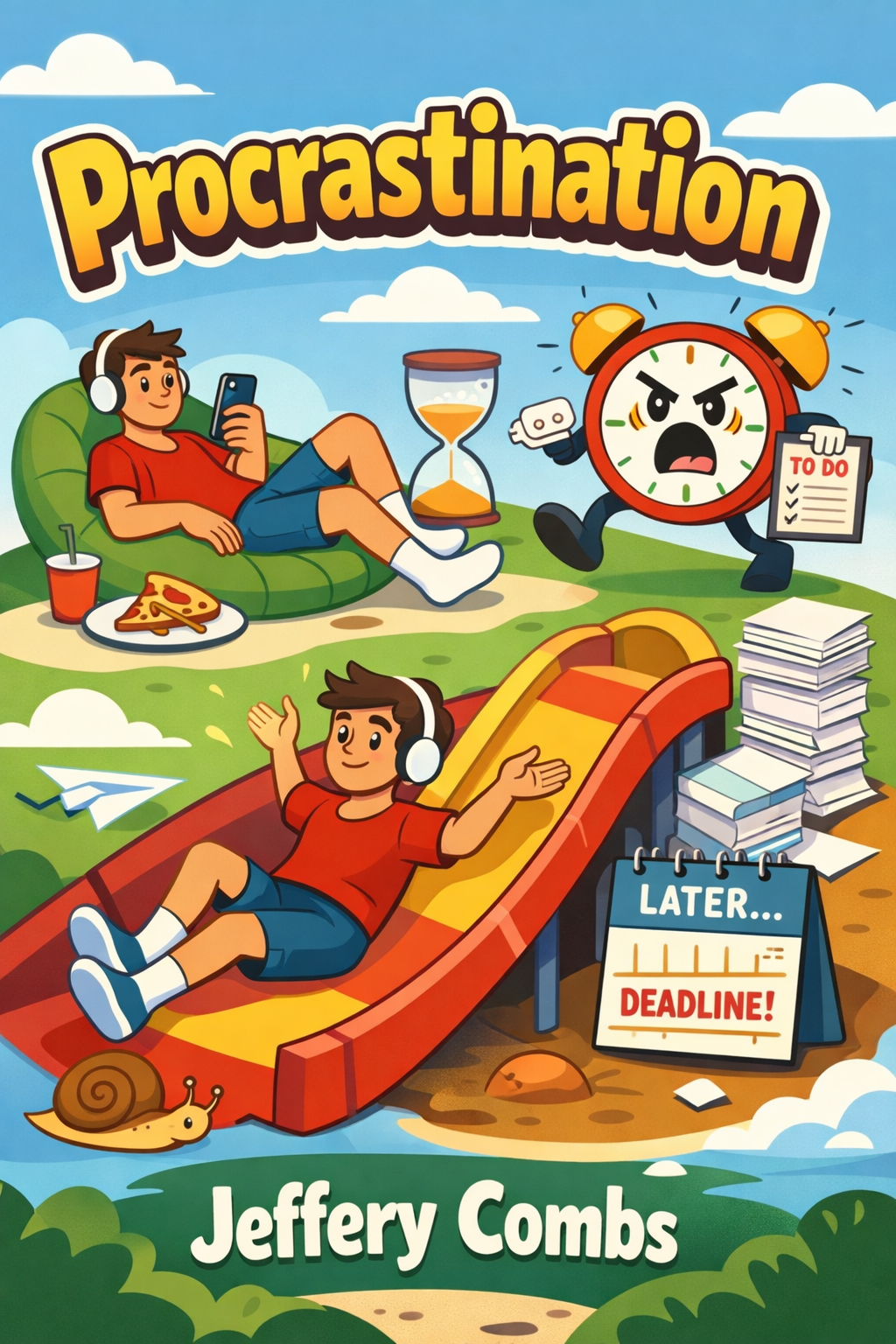
The procrastinator’s playground is a place of self-deception. We tell ourselves we work better under pressure, that we need to be in the right mood, or that the task will be quicker tomorrow. These are rationalizations, stories we craft to justify the delay and protect our self-esteem in the moment. We engage in what’s called “present bias,” heavily discounting the value of future rewards and consequences in favor of immediate gratification. Cleaning the garage, scrolling through social media, or reorganizing a bookshelf suddenly becomes irresistibly appealing because it is not *the* task. This alternative activity isn’t just idle time; it’s “productive procrastination,” offering a sense of accomplishment without touching the source of anxiety.
This habit extracts a heavy toll, far beyond a missed deadline. The temporary relief is quickly swamped by growing guilt, shame, and anxiety as the deadline looms. Stress levels skyrocket, sleep suffers, and overall well-being plummets. The quality of work done in a frantic, last-minute rush is invariably worse than what could have been achieved with steady effort. Over time, chronic procrastination erodes self-trust. You stop believing in your own promises to yourself, which damages self-efficacy and can lead to a diminished sense of personal agency. It can stall careers, strain relationships, and prevent us from pursuing meaningful life goals, trapping us in a cycle of avoidance and regret.
Breaking free requires moving beyond simplistic advice like “just use a planner” or “try harder.” The solution lies in managing emotions, not just time. The first step is cultivating self-awareness without self-judgment. Notice the moment the urge to delay arises. What are you feeling? Is it fear of a harsh judgment? Overwhelm at the project’s scale? Boredom? Simply naming the emotion can reduce its power. The next critical strategy is to make the start of the task as easy and unthreatening as possible. This is the “five-minute rule”: commit to working on the dreaded thing for just five minutes. Often, the initial resistance is the biggest barrier, and starting removes it. Breaking a monolithic project into absurdly small, concrete steps is essential. “Write report” is terrifying. “Open document and write three bullet points for the introduction” is actionable.
Another powerful tool is to focus on the process, not the product. Instead of fixating on the anxiety-provoking outcome (“I must write a brilliant chapter”), direct your attention to the action you can control (“I will sit at my desk from 9 to 10 AM and write”). This shifts the goal from a scary performance metric to a simple, achievable behavior. It’s also vital to design your environment for success. Remove obvious distractions, use website blockers, and create a dedicated workspace. Perhaps most importantly, practice self-compassion. Harsh self-criticism for procrastinating only generates more of the negative emotions that fuel the cycle. Treating yourself with kindness when you stumble creates a safer psychological space to tackle difficult things.
Ultimately, overcoming procrastination is about building tolerance for discomfort. It is learning to sit with the initial anxiety of a challenging task and understanding that the feeling will pass once you engage. It involves forgiving yourself for past delays and recognizing each new moment as a chance to make a different choice. By addressing the emotional roots of delay, we can stop fighting ourselves and start moving toward our goals with greater clarity and peace. The path forward isn’t about becoming a perfectly efficient machine, but about becoming a more understanding and courageous guide for your own mind, learning to move through resistance rather than being perpetually held captive by it.