Description
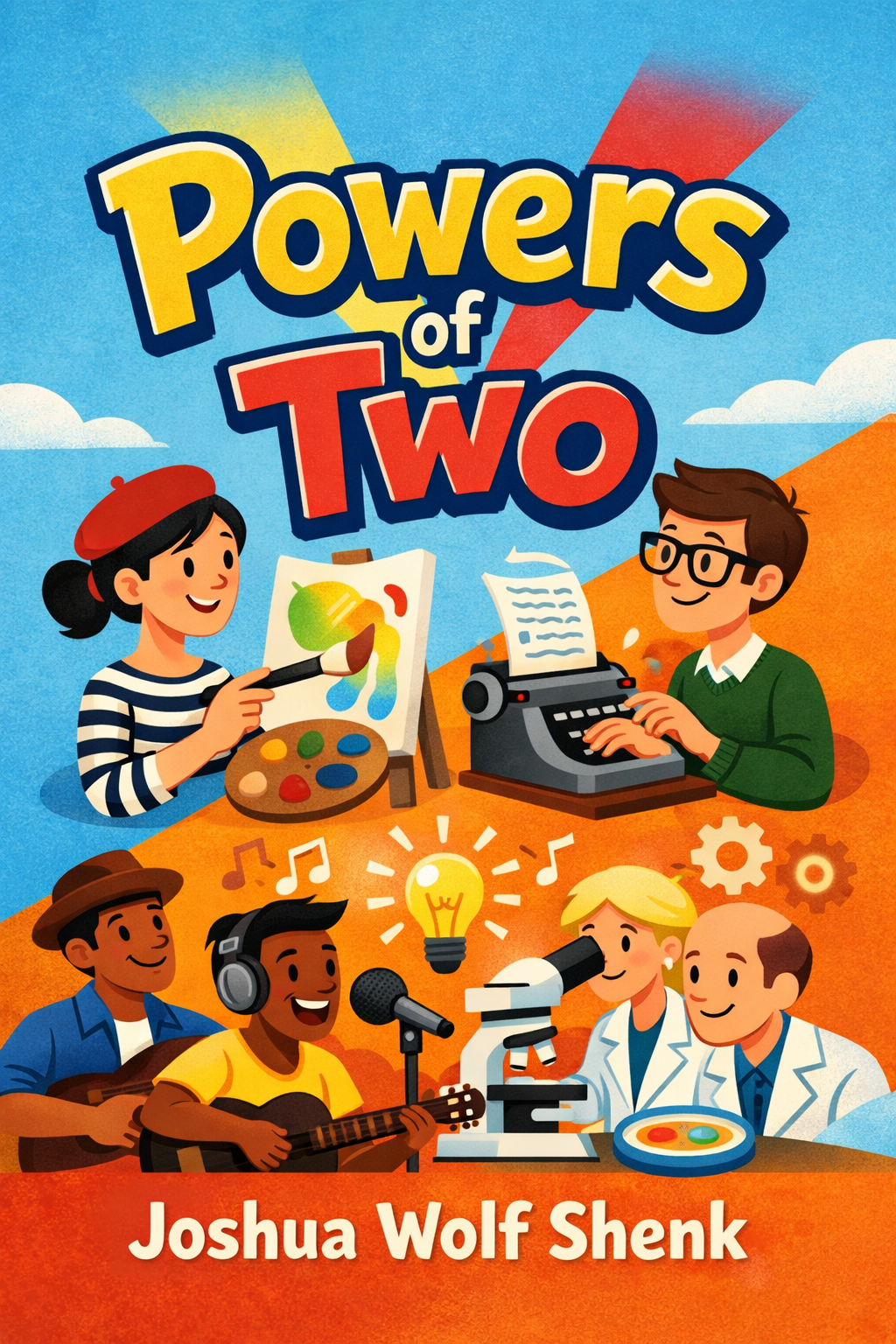
For centuries, the myth of the lone genius has captivated our imagination, painting a picture of brilliant minds toiling in isolation to produce masterpieces. This idea, however, is a profound misconception. True creative breakthroughs are almost always the product of a powerful dialogue between two people. The journey of creation is a social one, born from the unique chemistry that forms when individuals connect. This exploration delves into the heart of these dynamic partnerships, examining the delicate balance, profound trust, and even necessary conflicts that fuel the world’s most celebrated collaborations.
Creativity does not spring from a vacuum of solitude, but from a rhythmic dance between introspection and exchange. While quiet reflection is essential, it is in the act of sharing—with a partner, a muse, or even one’s own internal voice—that ideas are tested, refined, and transformed. The most fertile creative minds are those that master this rhythm, moving seamlessly from deep personal thought to engaged social interaction. This balance allows for the germination of an idea in private and its evolution through dialogue, creating a feedback loop that is far more potent than solitary effort alone.
What draws two creative souls together often begins with a foundation of shared common ground. These similarities—be it in taste, ambition, or sensibility—create a zone of comfort and understanding, a safe space from which to build. These connections frequently spark in what can be thought of as magnetic environments: schools, studios, or social scenes where like-minded individuals naturally congregate. Yet, similarity alone is not enough to generate the spark of great collaboration. The most potent partnerships thrive on a core of essential differences. It is the friction between contrasting personalities, backgrounds, and approaches that introduces novelty and challenge. One partner’s structured discipline can be beautifully disrupted by the other’s wild intuition, pushing both into uncharted territory. The legendary songwriting partnership of John Lennon and Paul McCartney exemplified this. Their vastly different personal histories and temperaments became the engine of their creativity, with McCartney’s melodic warmth constantly playing against Lennon’s raw, rebellious edge.
Building a lasting creative bond requires more than just good chemistry; it demands a conscious architecture of presence, confidence, trust, and ultimately, faith. The first step is presence: the act of fully opening one’s emotional and mental space to another, accepting them without pretense. From this authentic meeting, confidence grows—a mutual respect built on reliability and recognition of each other’s capabilities. Trust deepens this further, representing a holistic belief that your partner will champion and protect the shared vision. The pinnacle is faith, a state where the boundaries between individuals soften, and partners operate with an almost instinctual, blind trust in each other’s guidance. This unspoken bond, where criticism and support flow seamlessly, creates the safest and most daring space for true innovation.
Successful pairs often develop unique rituals that cement their connection. These are repeated practices, from a simple regular meeting time to more extreme shared living arrangements, that create a dedicated, shared world. Within this world, a private language evolves. Partners may unconsciously adopt each other’s speech patterns and mannerisms, a sign of deep attunement. Far from erasing individuality, this surrender to the partnership ritual often strengthens the self. By giving up a degree of personal privacy and ego within the safe container of the relationship, individuals gain greater self-confidence and clarity. The partnership becomes a mirror and a catalyst, allowing each person to understand and express their own unique voice more powerfully than they could alone.
Creative partnerships come in many forms. Some are asymmetrical, following a star-and-shadow dynamic where one person is the public face while the other works with equal importance behind the scenes, as often seen in mentor-protégé relationships. Others are overt partnerships, where both members share the spotlight and credit equally. There are also complementary pairs who maintain distinct public identities but create a powerful third entity when they collaborate. Regardless of the structure, influence flows in both directions, with each partner shaping and being shaped by the other in a continuous, evolving dialogue.
For a partnership to thrive, it also requires deliberate distance. Constant togetherness can stifle the very individuality that fuels the collaboration. Physical or emotional space allows ideas to breathe and develop independently, preventing the partnership from becoming an echo chamber. This separation makes reunions more fruitful, as each partner returns with fresh perspectives. Furthermore, conflict and healthy competition are not signs of a failing partnership but essential components of a vibrant one. Disagreement over ideas pushes both parties to defend and improve their concepts, leading to stronger outcomes. A friendly rivalry can fuel motivation and drive each person to higher levels of achievement, ensuring the work never grows stagnant.
The end of a creative partnership can be as complex as its beginning, and often for the same reasons. The very differences that once sparked incredible innovation can, over time, become irreconcilable divides. The intense closeness that enabled deep trust can transform into a feeling of suffocation. Letting go is a painful and difficult process, precisely because the partnership has become so integral to each person’s creative identity. The bond, even after a formal break, can linger, with former partners continuing to influence each other’s work and lives from afar. Ultimately, this examination reveals that the pair is a fundamental unit of innovation. The magic happens in the space between two people—a space of tension, trust, and mutual transformation where the whole becomes infinitely greater than the sum of its parts.