Description
In recent years, a quiet revolution has begun to reshape the American economic landscape, challenging the long-held belief that low wages are necessary for business success and national prosperity. This movement, supported by an unlikely coalition of business leaders and concerned citizens, argues that the systematic suppression of wages has created a dangerously unstable system, one that threatens the very foundations of democratic capitalism. The evidence for this shift is no longer theoretical; it is written in the ledgers of companies that have dared to prioritize their workforce and in the lives of communities that have chosen a different path.
For decades, the U.S. economy has operated like a precarious tower, with wealth steadily extracted from the bottom and middle layers and placed at the very top. This redistribution, amounting to trillions of dollars, was not a natural economic phenomenon but the result of deliberate policy choices and corporate lobbying. The consequence is an economy where productivity and worker compensation, which once rose together, have dramatically diverged. While worker output has soared, pay has stagnated, leaving a vast portion of the workforce unable to participate fully as consumers. This creates a fundamental paradox: an economy that relies on consumer spending is systematically depriving its consumers of spending power. The voices calling for change now include those who have benefited most from this imbalance, recognizing that extreme inequality is a threat to long-term stability and growth.
The debate over wages is clouded by persistent myths that crumble under scrutiny. The fear that raising pay leads to massive job losses or runaway automation is not borne out by the data. Studies of border communities with differing wage laws show that higher wages lead to greater earnings for workers without stifling employment growth. The predicted robot takeover of low-wage jobs has failed to materialize in response to wage increases, as automation follows its own technological timeline. Furthermore, the image of the minimum wage worker as a teenager earning pocket money is profoundly outdated. The reality is a workforce of adults, many supporting families, for whom low-wage work is not a temporary stop but a persistent trap. Recognizing this reality is the first step toward crafting effective economic policy.
Beyond the debate over the minimum wage lies a more insidious problem: outright wage theft. This silent epidemic sees billions of dollars unlawfully withheld from workers each year through unpaid overtime, stolen tips, and misclassification. The scale of this theft dwarfs other forms of property crime, yet it faces minimal enforcement and consequence. This systemic failure to protect earned wages represents a direct transfer of wealth from the most vulnerable workers to corporate bottom lines, further exacerbating economic inequality and eroding trust in the system.
The path forward, however, is illuminated by clear, practical examples. The transformation of major retailers provides a powerful case study. Confronted with high turnover and poor customer service linked to low pay, one company made a strategic decision to reinvest in its workforce. By raising wages and investing in training and development, it began to treat employees as assets rather than mere costs. The results were transformative: turnover plummeted, customer satisfaction rose, and profitability increased. This story demonstrates that fair compensation is not an expense that undermines success but an investment that drives it. It builds a more stable, skilled, and motivated workforce, which in turn creates a better experience for customers and a stronger, more resilient business.
Building a better economic system requires moving beyond old dichotomies of workers versus owners. A thriving economy is not a zero-sum game but an ecosystem. When workers are paid fairly, they spend more in their local communities, supporting other businesses and creating a virtuous cycle of demand. This middle-out economic growth is more sustainable than policies that concentrate wealth at the top. The call for fair wages is, therefore, a call for pragmatic economic renewal. It is an argument grounded in data, exemplified by successful business strategy, and essential for building a prosperous future where the economy works for everyone, not just a privileged few.
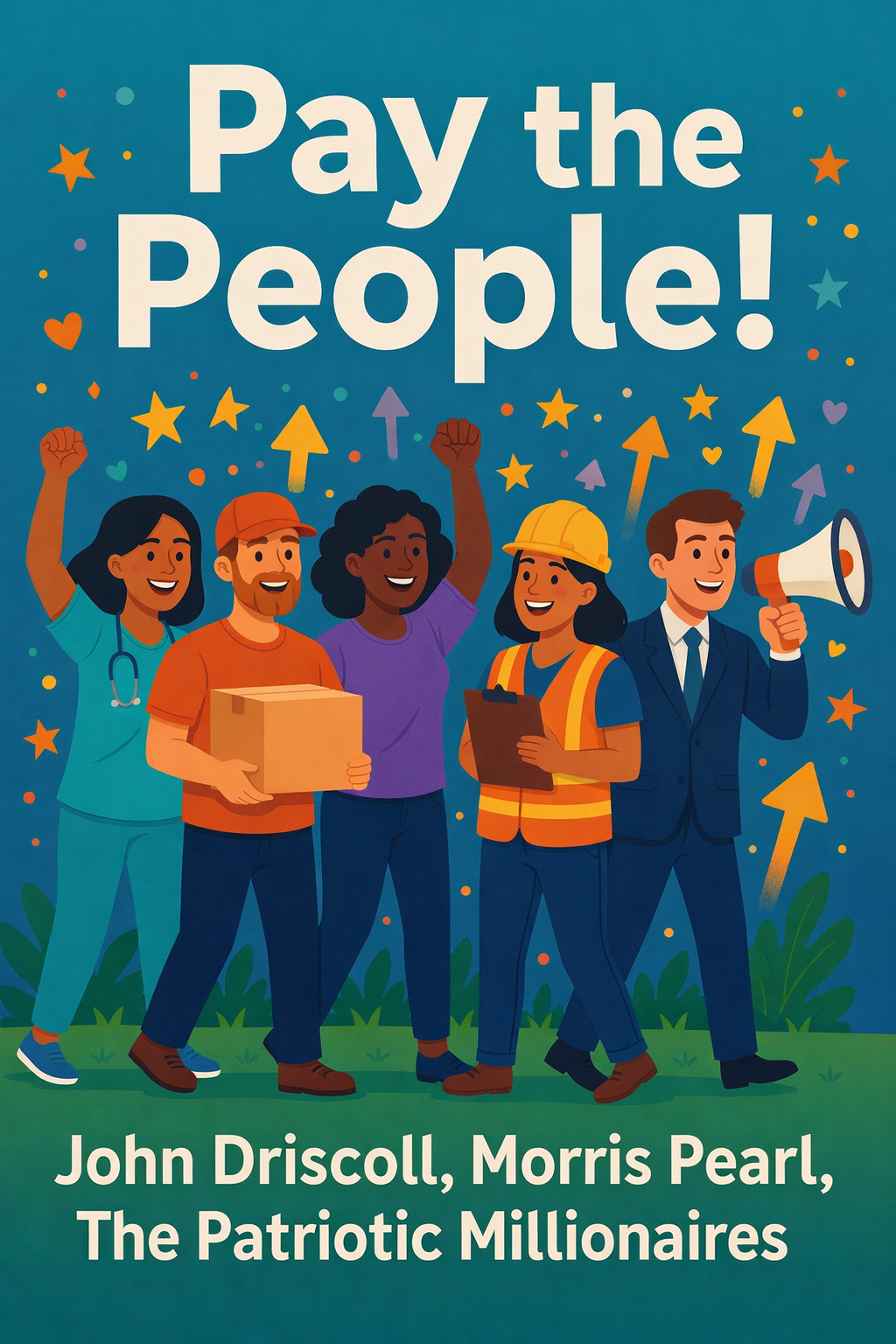
Book Title: Pay the People!