Description
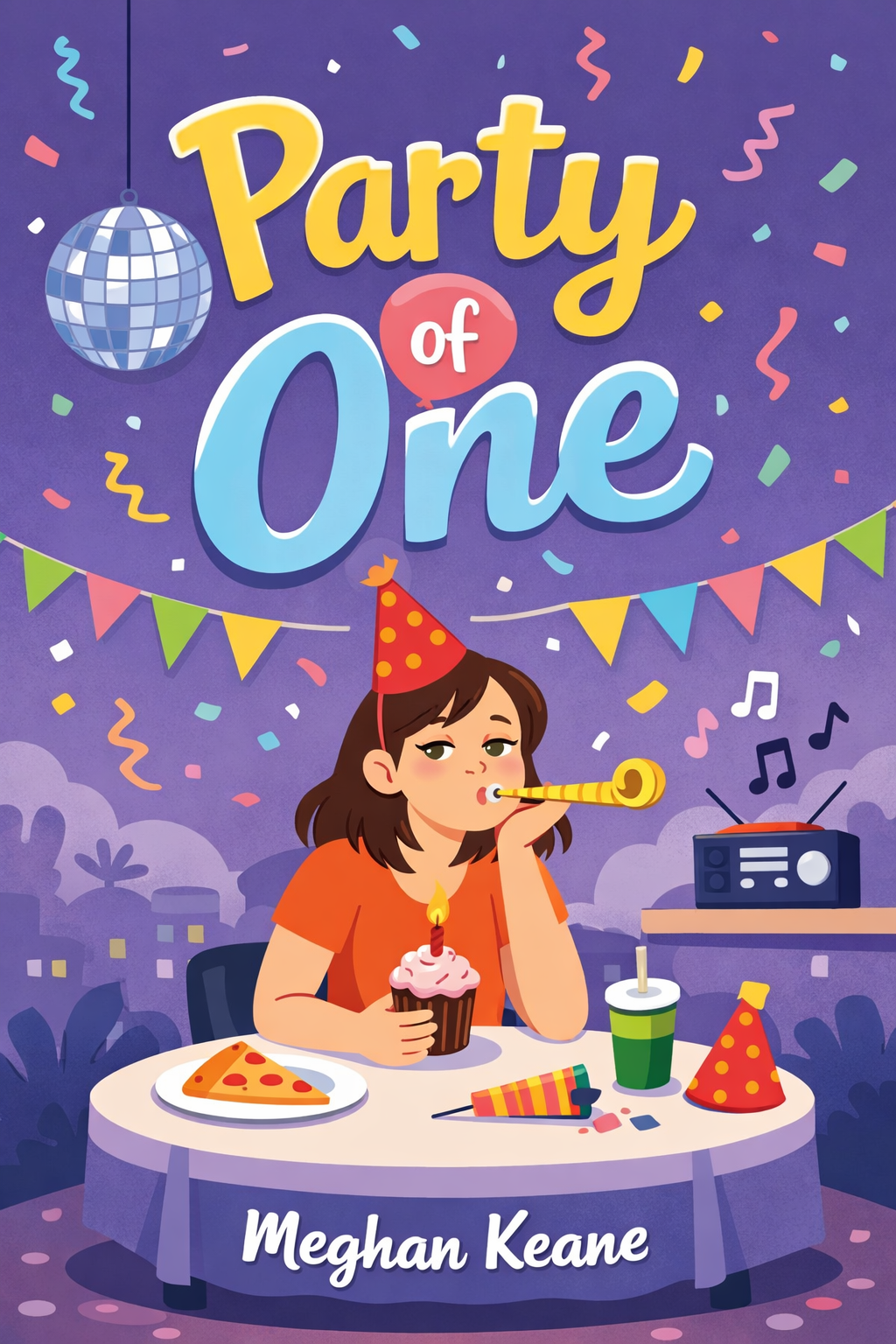
Have you ever felt a subtle but persistent pressure to find a partner? The author, Meghan Keane, thinks of this as a “haze.” It starts as a gentle nudge, suggesting that love and marriage are the keys to happiness, but over time, this pressure builds, making single life feel somehow incomplete. This fog of societal norms can affect anyone, though its weight differs based on identity, culture, or background. This exploration is an invitation to step back from the need to meet someone else’s standards and build a life that fits your own values, leaving you clearer about what you want and more confident on your own path.
Marriage and romantic love occupy a peculiar place in our social imagination. The stories we tell—through movies, books, and traditions—paint a specific picture of meeting, falling in love, and living happily ever after. But these narratives obscure the fascinating history of marriage, which for centuries was a practical arrangement for property, politics, or family fortunes. The romantic ideal we know today is a relatively recent invention, and the mid-twentieth century nuclear family was shaped more by post-war economics than timeless tradition. These romanticized ideas are reinforced everywhere, from fairy tales to modern media, suggesting your worth depends on being “chosen” and sidelining the profound value of platonic and communal relationships. Today, we often expect a partner to meet all our emotional needs, an “all or nothing” model that sets us up for disappointment. Recognizing the richness of diverse connections allows you to prioritize the relationships that genuinely enhance your life.
Thriving on your own means rejecting the treadmill of social expectation. Imagine running on that treadmill, chasing a promised prize, only to find the incline rising and the machine mocking your effort. This mirrors the pressure to couple up. Research, however, reveals a different reality: single people often build broader social networks and enjoy stronger community ties. Happiness isn’t a relationship status; it’s about how you engage with your life. Start by cultivating gratitude for small joys and reframing negative beliefs. Understand the crucial difference between loneliness—a signal for connection—and solitude, which can be a fertile ground for self-awareness and creativity. Practices like morning pages, a stream-of-consciousness writing exercise, can clear mental clutter, while scheduled “artist dates” to explore curiosities feed the soul. Singleness is not a flaw but a chance to explore your own interests and define happiness for yourself.
This journey requires freeing your mind from rumination and negative thought loops. Overthinking is often mistaken for problem-solving but usually leaves you anxious and drained. Breaking free begins with awareness: gently interrupting the mental replay by shifting your focus to your surroundings or a engaging activity. Change the questions you ask yourself from “Why does this always happen to me?” to “What small step can I take right now?” Writing your thoughts down can reveal their temporary nature, and sharing them with a trusted listener can untangle knotted emotions. Throughout this process, treat yourself with kindness, replacing judgment with curiosity. Small acts of self-care can shift your perspective, reminding you that thoughts are passing events, not your permanent reality.
Creating a fulfilling and authentic life often begins when our carefully laid plans fall apart. For the author, a moment of crisis during a global pause became a catalyst. She realized her frantic pursuit of partnership was exhausting and prevented her from building a life that felt genuinely hers. This highlights a powerful opportunity: to focus less on what’s missing and more on what makes your life meaningful right now. It starts with acceptance—sitting with the reality of your life as it is, which opens the door to clarity and peace. From this foundation, meaningful change is built through small, consistent steps. Simple pleasures like morning walks or creative projects add richness and don’t require external validation. Taking control of your financial well-being is another crucial step, providing the freedom to make choices aligned with your priorities. With this stability, life becomes an exploration of what drives you. Choices about travel, creative pursuits, or family planning become expressions of your values, not reactions to pressure. Each decision is a building block for a life that reflects your authentic desires, making you the author of your own story.
As you build this genuine path, your emotions become valuable guides, not obstacles to avoid. Working with emotions means acknowledging them without letting them dictate your actions. It involves listening to what feelings like sadness, anger, or anxiety are trying to tell you about your needs and boundaries. This compassionate approach allows you to process experiences fully and move forward with intention, rather than getting stuck in avoidance or reactivity.
Ultimately, a rich life is built on intentional, meaningful friendships. In a world that prioritizes romance, platonic bonds are powerful anchors. Cultivating these relationships requires the same intention and care often reserved for romantic partnerships. It means showing up consistently, being vulnerable, and actively investing time and energy. Building a chosen family—a reliable network of friends who offer support, joy, and belonging—creates a profound sense of home and community. These connections provide the love, security, and celebration that make a life deeply fulfilling, proving that the most enduring blueprint for happiness is the one you design yourself, with the people you choose to share it with.