Description
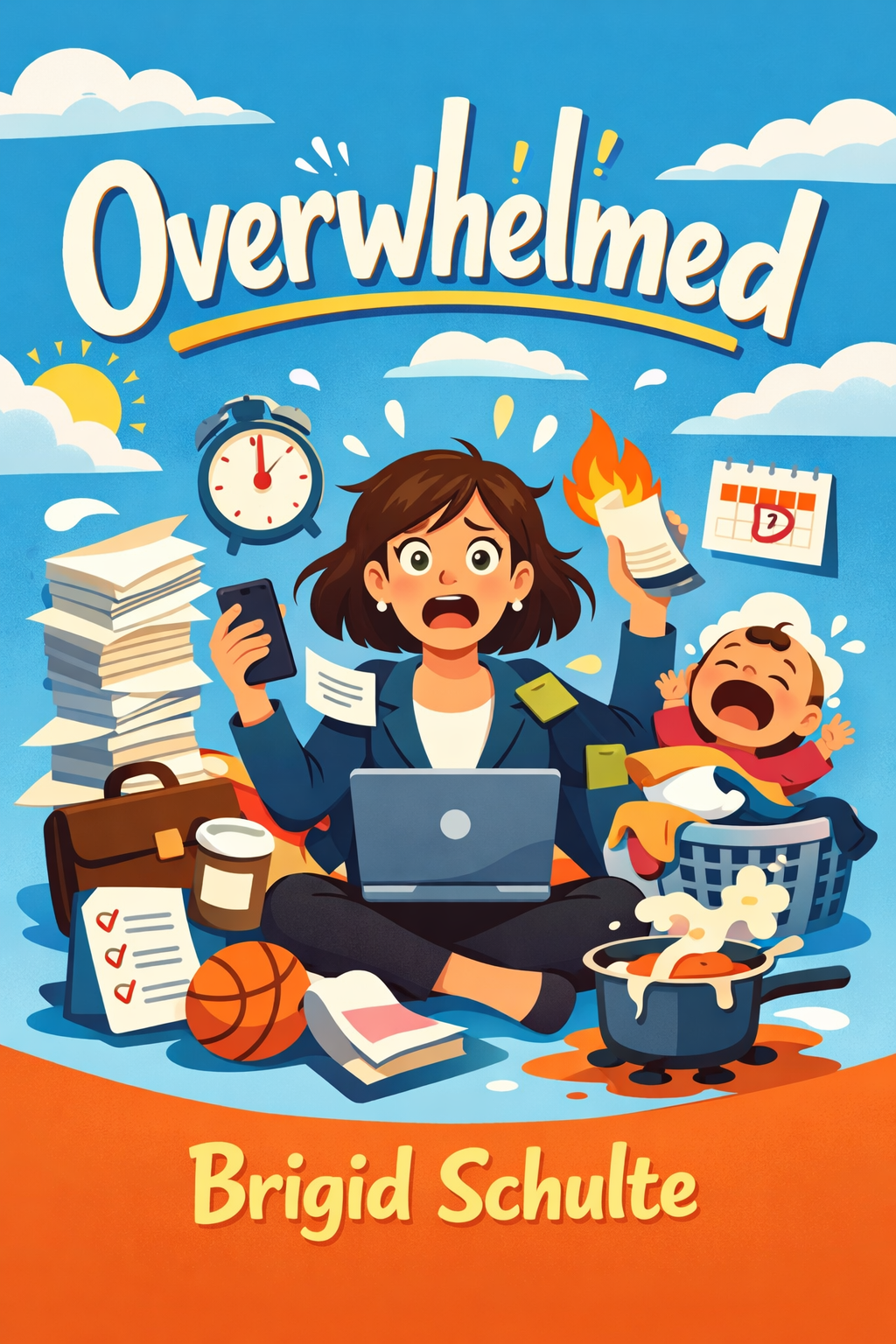
We live in a world of unprecedented pressure, where the constant juggling of professional demands and personal responsibilities leaves many feeling perpetually drained and anxious. This state of being overwhelmed is not a personal failing but a systemic issue, rooted in outdated societal structures and expectations that have failed to evolve with our modern lives. The book delves into the profound physical and emotional toll of this relentless stress, revealing how it can reshape our brains, impair our judgment, and diminish our capacity for joy and creativity. It argues that to find relief, we must look beyond individual time-management tricks and confront the deeper cultural myths about work, productivity, and gender that fuel our collective exhaustion.
The experience of being time-poor is nearly universal, but it falls with particular weight on parents. Studies reveal a startling scarcity of free time, with mothers of young children reporting virtually none, and fathers not faring much better. This deficit is more than an inconvenience; it correlates with the United States ranking as one of the world’s most anxious nations. The stress generated by this relentless pace is not benign. Neuroscience shows that chronic stress can physically shrink the prefrontal cortex—the brain region responsible for planning, self-control, and rational thought—while enlarging the amygdala, the seat of fear and aggression. This neurological shift makes us more reactive, less capable of complex decision-making, and more prone to mistakes, creating a vicious cycle that affects both individual well-being and workplace productivity.
To understand how we arrived here, we must look back to the Industrial Revolution, which enshrined productivity and long, regimented hours as the ultimate virtues. This model has persisted and intensified, with Americans now working some of the longest hours in the industrialized world. The modern information age has compounded the problem, flooding us with a relentless stream of emails and decisions that lead to “decision fatigue,” eroding our willpower and focus. Our workplaces remain remarkably inflexible, often punishing those who seek part-time hours or adjusted schedules with lost benefits and stalled careers, forcing a rigid choice between professional dedication and personal life.
This inflexibility is powerfully reinforced by persistent gender stereotypes. Despite surface progress, a deep-seated “caregiver bias” persists. The “ideal worker” is still implicitly imagined as a man unencumbered by domestic duties, while the “ideal mother” is one who prioritizes home above all. Men who actively care for their families face a “flexibility stigma,” viewed as less committed and often sidelined for promotions. Women, meanwhile, are caught in an impossible double bind, judged as uncommitted employees if they prioritize family and as selfish mothers if they prioritize work. This outdated framework generates guilt, stress, and resentment for everyone, trapping families in a stressful, unsustainable model.
The path forward requires a fundamental reimagining of work itself. The notion that productivity is directly tied to long hours spent in an office is a fallacy. Pioneering companies demonstrate that a focus on results, rather than presence, leads to greater innovation and employee satisfaction. By setting clear, realistic goals and granting employees autonomy over how and when they meet them, firms have cultivated dynamic, creative, and psychologically healthy environments. Technology, often a source of stress, can be harnessed for liberation, enabling telecommuting and flexible schedules that allow people to work during their most productive hours and attend to family needs without penalty.
Overcoming deeply ingrained stereotypes requires more than corporate policy; it demands supportive public policy. Other nations provide models with robust parental leave, affordable high-quality childcare, and right-to-flex-work legislation. These policies help level the playing field, making caregiving a shared social responsibility rather than a private burden that disproportionately falls on women and penalizes men who participate. They acknowledge that the well-being of families is foundational to a healthy society and a thriving economy.
Ultimately, personal strategies are also essential within this larger fight. The first step is to consciously reject the myth of “having it all” and the superhuman standards it implies. Practices like mindfulness and meditation are not mere luxuries but critical tools for managing stress, reclaiming mental space, and strengthening the brain’s resilience. By learning to focus on the present and quiet the noise of endless demands, we can begin to regain a sense of control. The journey from overwhelmed to balanced is both a personal and collective undertaking. It involves dismantling archaic structures, advocating for humane policies, and cultivating personal practices that protect our time and peace of mind. The goal is not to do everything, but to do what matters with purpose and presence, creating a life that is not just productive, but also sustainable and fulfilling.