Description
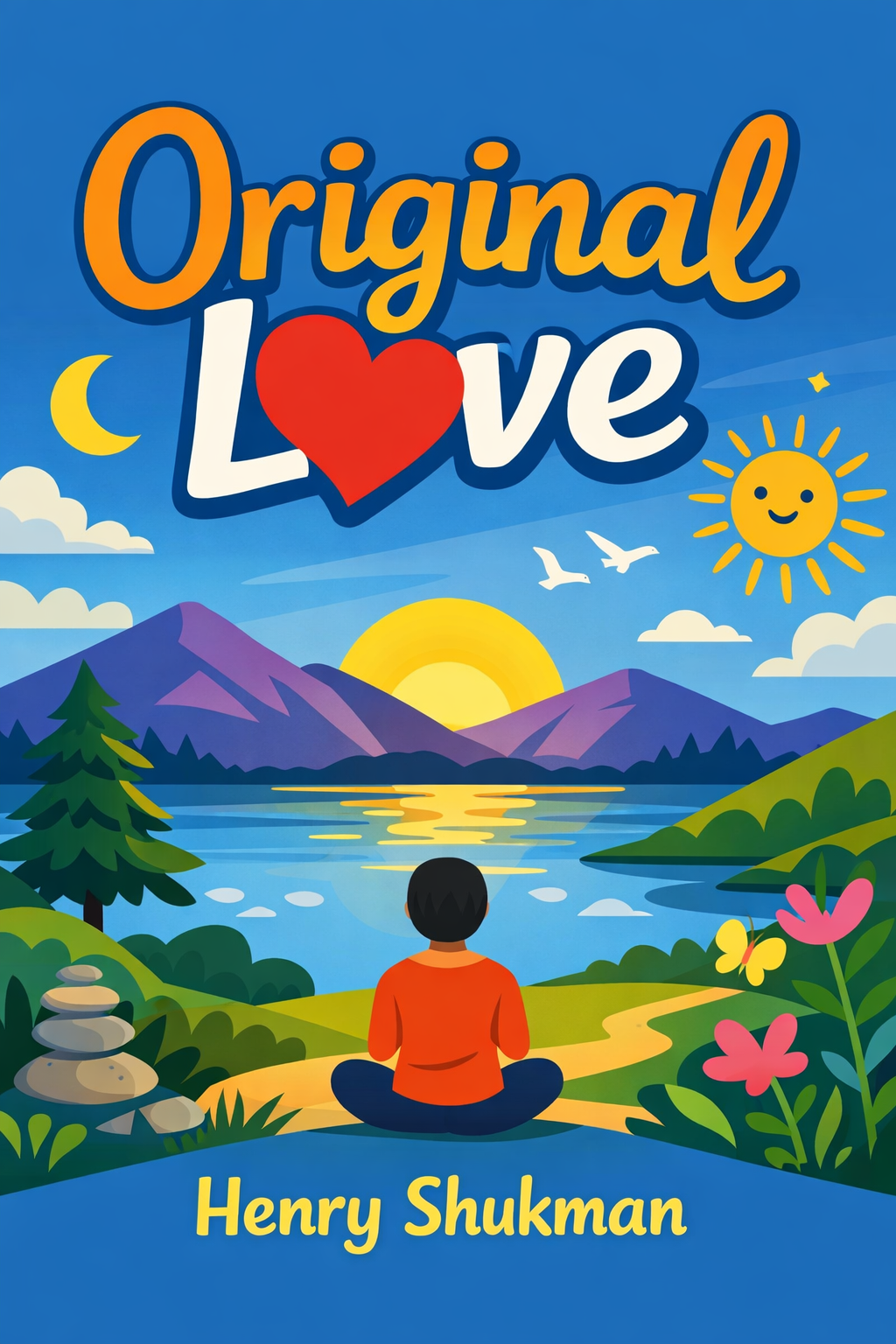
At its core, “Original Love” presents a radical and comforting thesis: love is not merely a feeling we experience, but the fundamental force from which human consciousness, culture, and our very sense of self originate. The book argues against the modern, narrow conception of love as a romantic or private emotion. Instead, it posits love as the original template for human interaction—the essential bond that first allowed early humans to form communities, develop language, and build the shared realities we inhabit. This “original love” is presented as the invisible architecture of society, the glue of trust that makes cooperation, learning, and collective survival possible long before it was ever named or romanticized.
The narrative begins by examining the biological and neurological underpinnings of attachment and care, not as added features of human existence, but as primary drivers of our evolution. The author delves into how the prolonged helplessness of human infants necessitates a profound, sustained bond with caregivers. This primary relationship, the book suggests, is our first universe. It is within this dynamic of total dependence and offered care that we initially learn to interpret signals, to expect consistency, and to experience the world as either safe or threatening. This foundational bond imprints a template for all future connection, establishing our basic capacity for trust, empathy, and the recognition of another conscious being. The book carefully distinguishes this from simplistic notions of genetic determinism, instead showing how this biological imperative opens the door to profound psychological and social complexity.
From this primal starting point, the work expands its view to explore how love, in its broadest sense, operates as the engine of socialization and identity formation. We learn who we are through the reflections seen in the eyes of those who love us—first our family, then friends, mentors, and community. The author presents compelling examples of how language itself is acquired not through cold instruction, but through the affectionate, repetitive, and patient interactions between caregiver and child. Words are infused with emotional tone and contextual meaning long before their dictionary definitions are understood. Our earliest concepts of good and bad, safe and dangerous, worthy and unworthy are all filtered through these initial loving (or failing) relationships. Thus, the self is not a solitary construction but a collaborative artwork, shaped by the love we receive and give.
The middle sections of the book tackle the inevitable distortions and fractures of this original ideal. It confronts the pain of love betrayed, withheld, or twisted into control. The author argues that trauma, shame, and alienation are not the absence of love’s influence, but often the scars left by its corruption or failure at a crucial moment. Societal structures like systemic injustice, poverty, and oppression are analyzed as large-scale failures of this foundational social love, creating environments where the original template of trust cannot develop healthily. Yet, even here, the book finds resilience. It documents how the human spirit often seeks to repair these fractures through new bonds, through art that expresses longing, through spiritual pursuits that seek unconditional acceptance, and through acts of courage that re-establish trust where it has been broken. This journey through love’s shadows makes the case that our yearning for connection is so powerful precisely because it is our original state.
Finally, “Original Love” looks forward, exploring how reclaiming this broader definition of love can transform personal lives and societal structures. It moves beyond the interpersonal to examine civic love—the kind of commitment that builds healthy communities, responsible institutions, and a sustainable relationship with our planet. The author suggests that solving our most intractable problems—political polarization, environmental degradation, profound loneliness—requires not more technical solutions alone, but a revival of this foundational ethic of care, responsibility, and mutual recognition. Love, in this final analysis, is presented as the most practical and revolutionary force available to humanity. It is the skill of seeing the other as inherently valuable, the commitment to nurture growth, and the courage to build bridges of understanding.
The book concludes not with a sentimental flourish, but with a sober and hopeful call to action. It invites readers to audit their own lives and societies through the lens of “original love.” Where are we building connection, trust, and care? Where are we eroding it? By understanding love as our primary operating system—not a fleeting app—we can begin to make conscious choices that align with our deepest nature. The ultimate message is that to love widely and wisely is not to be soft, but to be most fully and effectively human. It is a return to the source code of our humanity, offering a path toward healing our fragmented world by remembering and practicing the fundamental bond from which we all began.