Description
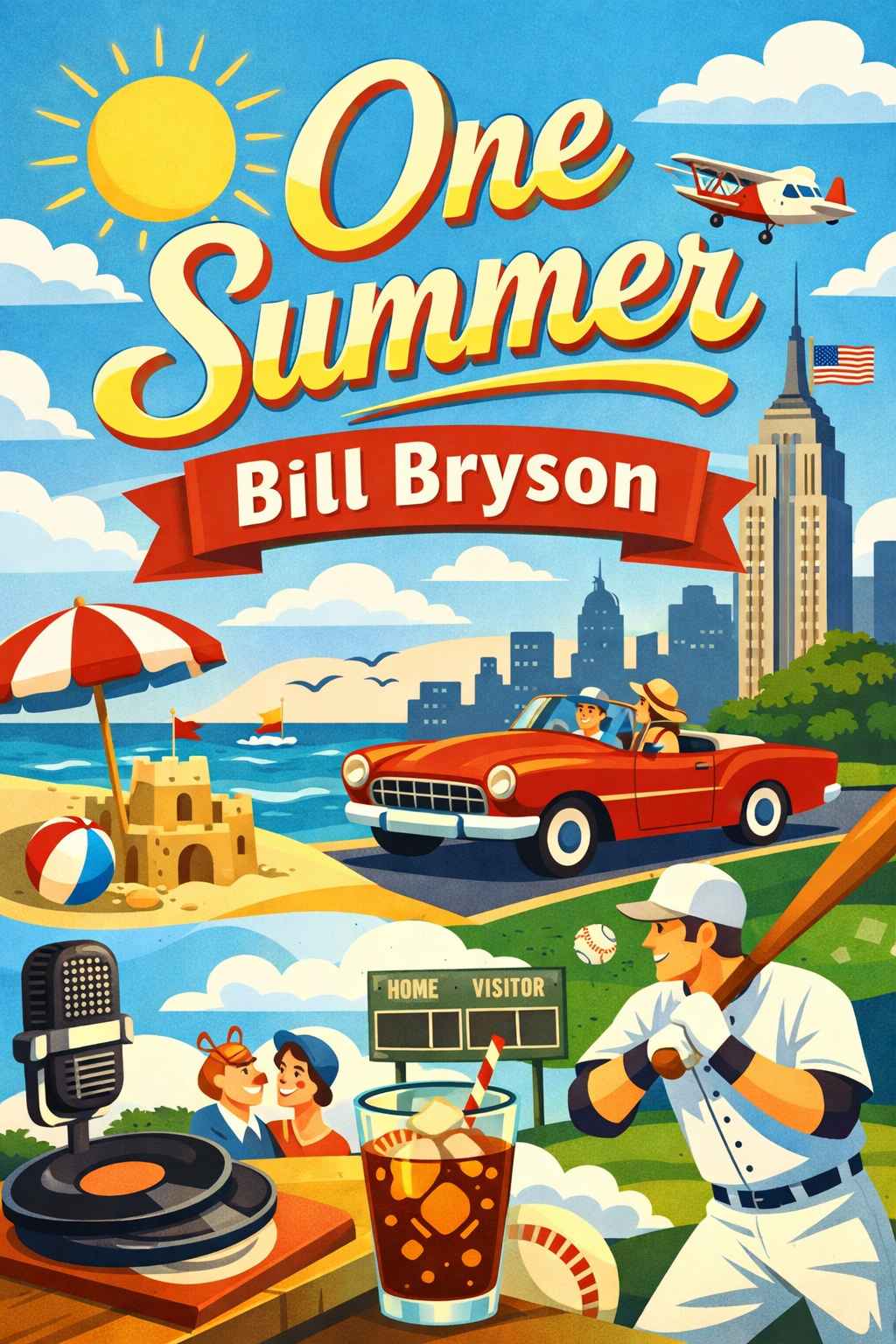
The summer of 1927 stands as a breathtaking hinge point in American history, a few feverish months when the modern nation seemed to crystallize from a whirlwind of triumph, innovation, and troubling contradiction. It was a season where the country, almost suddenly, asserted itself as a global powerhouse in culture, technology, and industry, yet simultaneously grappled with profound internal divisions and sowed the seeds of its own catastrophic economic collapse. This period was less a simple golden age and more a dramatic convergence of forces that would define the American century.
The transformation began in the sky. While Europe led in aviation, America’s spirit was captured by a lone, daring pilot. Charles Lindbergh’s nonstop flight from New York to Paris in May was more than a technological feat; it was an act of mythic individualism that electrified the world. Overnight, Lindbergh became the planet’s first true global celebrity, and his success funneled immense capital and public passion into American aviation. Within a year, fledgling companies like Boeing expanded explosively, laying the foundation for the nation’s future dominance in the air. The Atlantic was conquered, and America’s geographical and psychological isolation seemed to vanish.
On the ground, a new cultural empire was rising. Hollywood, producing the vast majority of the world’s films, found its voice—literally—with the release of *The Jazz Singer*, the first major talking picture. This innovation didn’t just end the silent era; it launched American English, slang, attitudes, and style as a pervasive global export. Meanwhile, in baseball stadiums, Babe Ruth was rewriting the rules of sport and fame. His chase for and shattering of the home run record in 1927 was a daily national obsession, crafting a template for the modern sports superstar. Through cinema and sport, America was no longer looking to Europe for cultural cues; it was confidently generating its own and broadcasting them to the world.
Yet, beneath this glittering surface of progress and confidence ran deep, dark currents. The era could aptly be called an Age of Loathing. Rampant xenophobia, fueled by the Red Scare and restrictive immigration laws, targeted outsiders. The controversial execution of Italian anarchists Sacco and Vanzetti highlighted a justice system poisoned by prejudice. Racism was codified and brutal, both in everyday humiliations and in the pseudoscience of eugenics, which advocated for the sterilization of those deemed “unfit.” The Ku Klux Klan saw a resurgence. This was a nation proud of its achievements but deeply conflicted about who deserved to share in them.
Economically, America was unprecedented in its wealth, producing nearly half the world’s goods and holding half its gold. A consumer boom, fueled by new installment credit plans, put cars, radios, and phonographs in millions of homes. The stock market soared. But this prosperity was dangerously fragile, built on a pyramid of reckless borrowing and speculative mania. Banks borrowed cheaply to fuel broker loans, and everyday Americans poured money into a market they believed could only rise. In Washington, a disengaged President Calvin Coolidge and his treasury secretary, Andrew Mellon, pursued policies of extreme laissez-faire and tax cuts that overwhelmingly benefited the rich, while turning a blind eye to the gathering storm.
The pivotal decisions that doomed the economy were made in that fateful summer. International bankers, meeting with the Federal Reserve, successfully pushed for lower interest rates to aid Europe, a move that inadvertently flooded the American market with even more cheap credit and inflated the stock bubble to its breaking point. Coolidge, shrewdly perhaps, announced he would not seek re-election, leaving his successor to face the consequences. The speculative orgy of 1927 ensured the crash of 1929 would be devastating, triggering the Great Depression and wiping out the very prosperity the decade had celebrated.
Thus, the summer of 1927 is a story of breathtaking ascent and embedded decline. It was the moment America arrived as a colossus—inventive, energetic, and culturally potent. Yet, it was also the moment its deepest social illnesses and economic vulnerabilities were laid bare, setting a direct course for the disaster to come. In this single season, the roaring twenties reached its peak and found its precipice, capturing the dazzling promise and the perilous fragility of the American experiment in one unforgettable, concentrated burst.