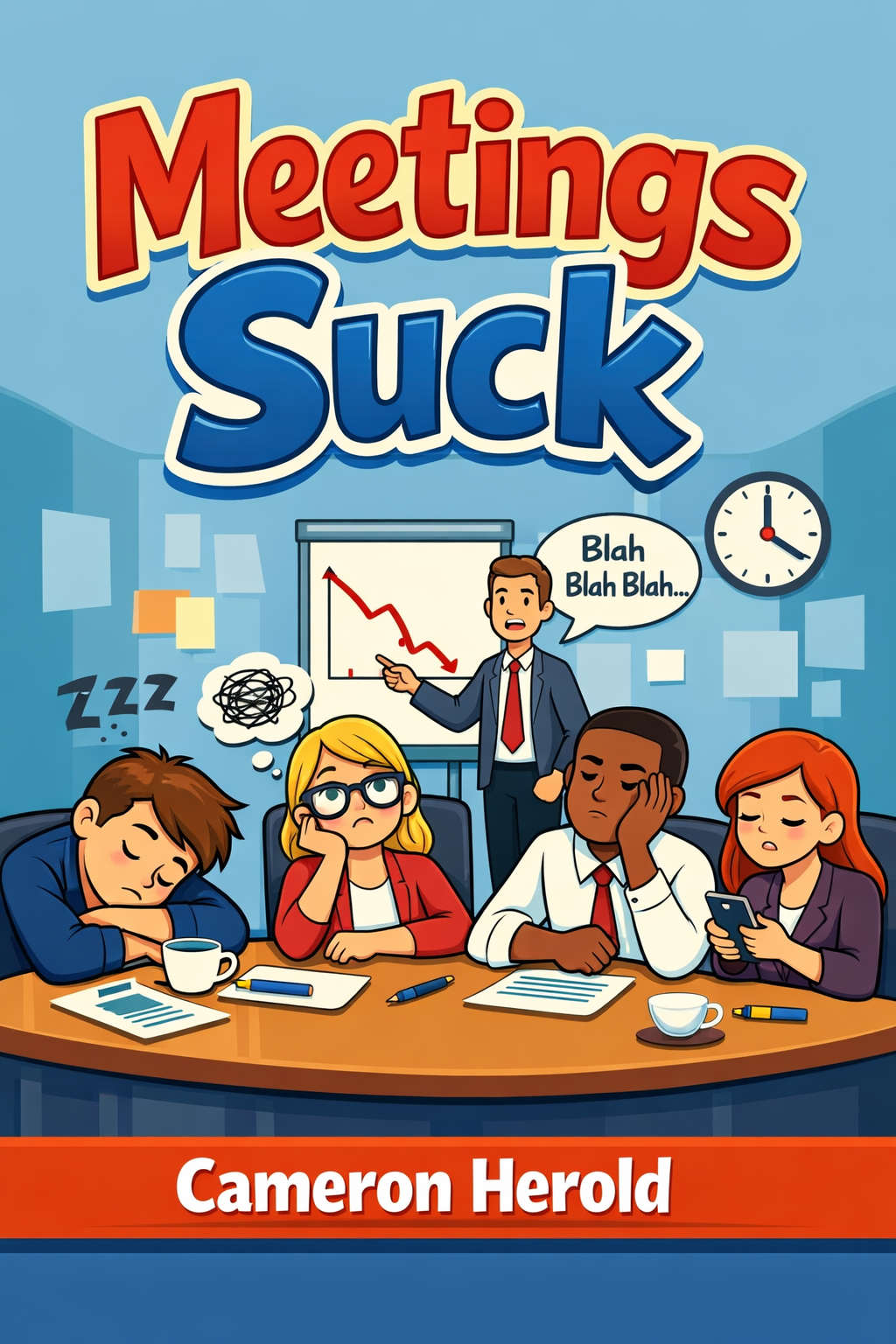
Description
The modern workplace is often held hostage by the dreaded meeting. These gatherings, intended to foster collaboration and drive progress, frequently devolve into disjointed conversations that drain energy, waste precious time, and leave participants wondering what was accomplished. This pervasive frustration stems not from the concept of meetings themselves, but from a fundamental misunderstanding of how to conduct them with purpose and efficiency. The true cost of these inefficient gatherings is staggering, calculated not just in hours but in lost revenue and squandered human potential. Yet, within this common dysfunction lies a tremendous opportunity. By reimagining our approach, we can reclaim meetings as a vital engine for organizational health, employee development, and strategic clarity.
The journey begins with a ruthless audit of necessity and cost. Every meeting should justify its existence by having a clear, actionable agenda distributed in advance. This simple step allows participants to prepare effectively and, crucially, to opt out if the discussion falls outside their responsibilities. Respect for collective time must be paramount, championing a culture where “on time” means arriving early and ready to contribute. Structuring meetings with specific, timed agenda items and designated roles—such as a moderator to guide discussion, a timekeeper to maintain pace, and a closer to summarize decisions and next steps—transforms a meandering talk into a focused work session. This structure not only improves outcomes but also serves as a developmental tool, allowing team members to practice leadership, active listening, and concise communication in a low-stakes environment.
Beyond mere efficiency, meetings hold profound power to shape company culture and morale. Regularly scheduled, brief team huddles can combat daily energy slumps, realign focus on shared goals, and celebrate small wins. These gatherings reinforce a sense of belonging and shared purpose. Furthermore, meetings can be strategically used to rebalance team dynamics and develop latent talent. By intentionally assigning leadership roles to quieter employees or placing naturally dominant personalities in listening-oriented roles, managers can foster a more inclusive and psychologically safe environment where diverse strengths are recognized and utilized. This turns the typical hierarchy on its head, using the meeting format to build a more resilient and versatile team.
For strategic alignment, a cadence of differently scoped meetings is essential. High-level quarterly reviews bring leadership together to assess financial and operational progress against long-term goals, ensuring the entire organization is steering in the same direction. Weekly action reviews at the team level create a rhythm of accountability, where obstacles are surfaced and solved collaboratively, keeping quarterly plans on track. Complementing these are regular one-on-one meetings, which build the essential support network between managers and their direct reports, addressing individual growth and concerns before they become larger issues. This layered approach ensures communication flows effectively at every level.
Finally, the most impactful meetings may occur outside the office altogether. Periodic leadership retreats remove the team from daily operational fires to focus exclusively on big-picture strategy, innovation, and strengthening executive cohesion. In today’s digital age, the principles of effective meetings must also adapt to virtual and hybrid environments. This requires heightened intentionality around technology, engagement, and inclusion to ensure remote participants are full contributors, not passive observers. Ultimately, a meeting is not a default calendar event but a deliberate investment. When designed with clear purpose, structure, and respect for the people in the room, it ceases to be a drain and becomes one of the most powerful tools for building a focused, connected, and high-performing organization.
Book Title: Meetings Suck