Description
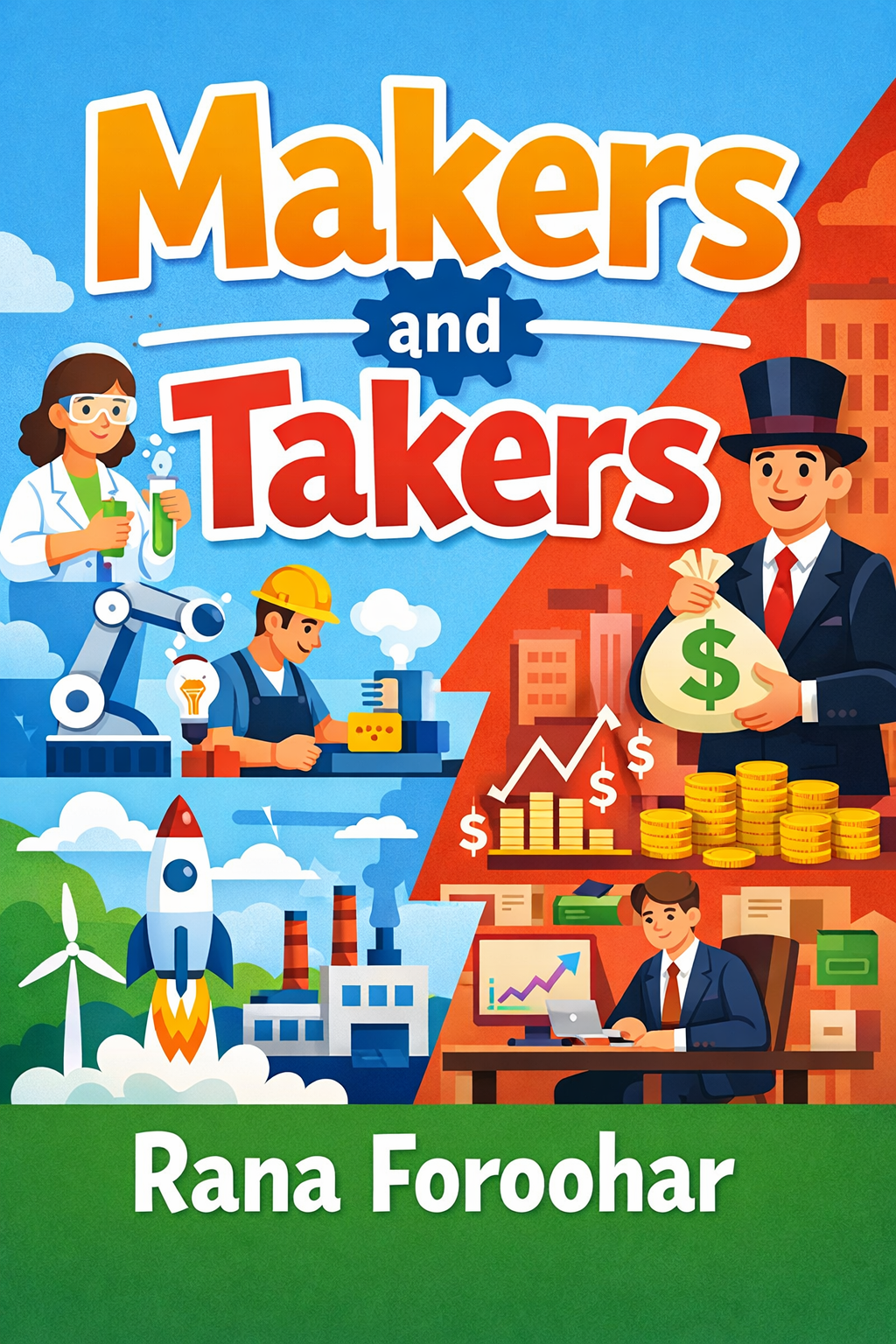
The journey from the roaring twenties to the crash of 2008 is not a story of progress, but of a recurring cycle. This narrative traces how the American financial system, despite the harsh lessons of the Great Depression, gradually shed its restraints and reconstituted itself into a dominant force that prioritizes extraction over creation. The central argument is that we have moved from an economy that makes things to one that takes value, with profound consequences for businesses, consumers, and the very fabric of society.
The parallels between the Great Depression and the Great Recession are unsettlingly clear. Both were preceded by eras of rampant credit, soaring debt, and dangerous asset bubbles, all fueled by a financial sector growing to unsustainable size. In both cases, the architects of the crisis largely escaped accountability, returning to their industries with little more than temporary public shaming. This historical echo begs a critical question: why did the robust regulations enacted after the 1929 crash fail to prevent a repeat? The answer lies in a slow, persistent unraveling. Landmark laws like Glass-Steagall, designed to separate safe commercial banking from risky investment activities, were steadily undermined. Financial innovators created products like negotiable certificates of deposit and, later, credit cards, which blurred the lines and expanded credit. Political pressure, responding to demands for easy money and growth, culminated in sweeping deregulation, unleashing a wave of complex, opaque financial instruments that regulators could no longer control or even fully understand.
This financialization did not stay confined to Wall Street; it seeped into the bloodstream of corporate America. A new dogma took hold: that a company’s sole purpose is to maximize shareholder value. This focus on short-term stock prices and quarterly earnings reports has had a corrosive effect. Companies now prioritize cost-cutting, stock buybacks, and dividend payments over long-term investment in research, development, and product quality. The tragic case of General Motors, where a known ignition switch defect was ignored due to cost concerns, leading to fatalities, is a stark example of how this profit model can literally kill. The pharmaceutical industry, urged by analysts to boost value through financial engineering rather than drug discovery, illustrates how this mindset jeopardizes the innovation that drives real human progress.
The relationship between companies and shareholders has become distorted. So-called activist shareholders, often wealthy individuals or funds, pressure companies to disgorge cash, diverting resources that could fund future growth. While these investors provide capital, they frequently do not fund the foundational, risky research that leads to breakthroughs. That role has often fallen to the public sector, with government programs and institutions like the military developing core technologies—from the internet to GPS—that private companies later commercialize for enormous profit. The system has created a perverse loop where public investment bears the risk, while private financial interests capture a disproportionate share of the rewards.
The players in this game have also multiplied and mutated. Today, it is not just banks that act like banks. Major industrial corporations run vast lending arms that often become their most profitable divisions, leading them into risky territories like mortgage speculation, as seen with General Electric. Conversely, banks like Goldman Sachs have expanded into physical commodities, manipulating markets by controlling supply chains, such as aluminum storage, to benefit their financial bets. This convergence means the traditional boundaries that once contained risk have completely dissolved.
The consequences for ordinary citizens are direct and damaging. In the aftermath of the 2008 crisis, financial institutions turned housing, a basic need, into a new speculative asset class, buying foreclosed homes en masse to create lucrative rental empires. Meanwhile, the retirement security of millions is entrusted to a fund management industry that often delivers mediocre returns while extracting hefty fees, eroding nest eggs over time. The political system, deeply intertwined with the finance industry through campaign contributions and the promise of lucrative post-office employment, has repeatedly failed to enact meaningful reform. Attempts to re-regulate the system after 2008 were watered down by relentless lobbying, leaving its fundamental flaws intact.
The path forward requires a fundamental rethinking. It involves reducing the staggering levels of debt that make the economy fragile, and imposing genuine transparency on financial transactions so risks are visible. Most importantly, it demands a shift in cultural and corporate priorities—from rewarding short-term extraction to incentivizing long-term building. The choice is between continuing a cycle of boom and bust that benefits a narrow few, or building a financial system that serves the broader economy and fosters sustainable prosperity for all. The history presented here is a cautionary tale, and its lesson is that without deliberate and courageous change, the next crisis is not a matter of if, but when.