Description
The world of investing is filled with stories of missed opportunities and sudden losses, often overshadowed by the tantalizing promise of quick riches. This guide offers a more measured path, presenting options trading not as a lottery ticket but as a skill-based activity where consistent gains are possible through careful strategy and stringent risk control. The core philosophy is that while the market will always have the final say, an educated trader can learn to minimize losses and steadily grow their capital over time. The journey begins by demystifying the fundamental instrument: the options contract itself.
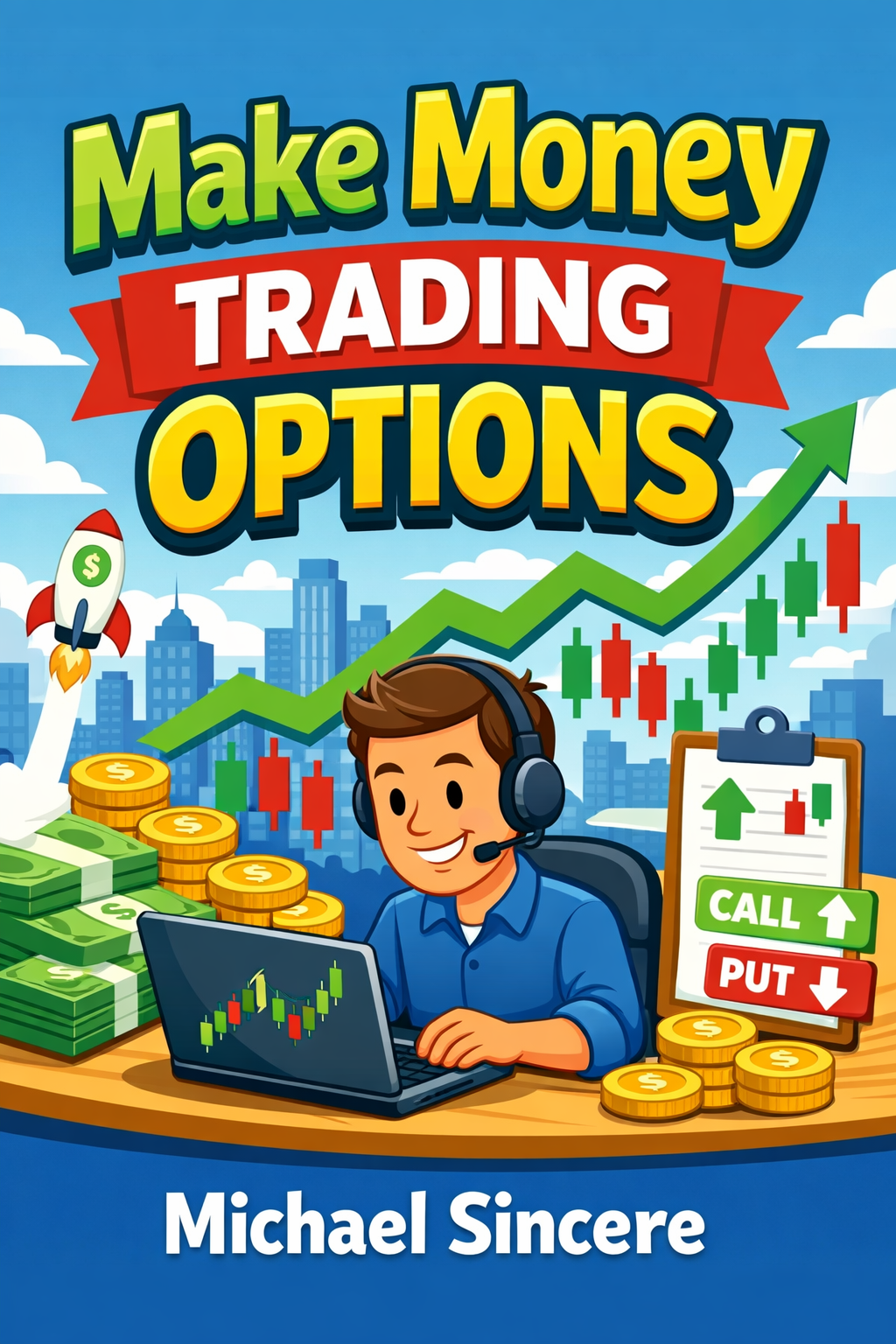
An option is an agreement granting the right, but not the obligation, to buy or sell a stock at a predetermined price before a set expiration date. This is fundamentally different from buying stock outright. If you purchase a share of a company, you own a small piece of it; its value fluctuates with the market, and you can hold it indefinitely. Options, however, are time-bound contracts. Their value is derived from the underlying stock but decays as the expiration date approaches. The primary appeal lies in leverage and defined risk. For a relatively small amount of money—the premium—you can control the price movement of 100 shares. If you believe a stock will rise, you might purchase a call option, profiting if your prediction is correct. Conversely, if you anticipate a decline, a put option allows you to profit from the drop. Crucially, your maximum loss on a basic trade is typically limited to the premium paid, unlike owning the stock directly, where losses could be total.
This distinction is vital, as misunderstanding the mechanics can lead to catastrophic errors. A common pitfall for beginners is confusing the number of option contracts with the number of shares, potentially exposing themselves to a risk magnitude hundreds of times greater than intended. Therefore, a deep understanding of how options function is the first and most critical line of defense. The guide emphasizes that all options expire, a feature that adds a layer of strategic complexity. You can be correct about a stock’s direction but still lose money if the move doesn’t happen within your option’s timeframe or if time decay erodes the premium’s value too quickly. This expiration element transforms trading from a simple bet on direction into a more nuanced wager on direction, magnitude, and timing.
To navigate this complexity without risking real capital, the guide introduces a foundational practice method: the Test Trading Strategy. This involves using a simulated, or paper, trading account to observe the market and practice executing trades with virtual money. The first step is building a focused Watch List. This list should include major market indexes and exchange-traded funds (ETFs) that track the broader market’s health, such as the SPY or QQQ. To this foundation, you add individual stocks that meet specific criteria: they should be highly liquid, widely held by major institutions, and trade at a significant price per share (suggesting stability). Companies like Apple, Microsoft, or Amazon are prime examples. The goal is to watch a curated list of strong, predictable movers, avoiding volatile or obscure securities.
With your Watch List established in your simulation platform, you begin the daily discipline of test trading. The process involves monitoring the market at the open, identifying which stocks from your list are showing clear, strong momentum in a particular direction. The strategy advises against forcing trades on slow or indecisive days; patience is key. Once you identify a candidate, you simulate buying an option, applying strict rules for when you would enter and, just as importantly, when you would exit the trade, whether for a profit or a loss. This practice phase is not about making fake money but about developing intuition, discipline, and familiarity with the platform’s mechanics without emotional or financial pressure.
When transitioning to real capital, the guide introduces stringent risk management protocols, chiefly the Five-Minute Rule. This rule dictates that before placing any real trade, you must calculate and write down the exact dollar amount you are risking—the maximum loss possible on that specific trade. This number must be an amount you are completely comfortable losing. The rule forces a moment of deliberate reflection, separating the excitement of a potential gain from the sober reality of risk. This practice ensures you never accidentally stake more than you can afford. Risk management continues after the trade is placed. You must have a clear exit plan, knowing at what point you will take profits and, critically, at what point you will cut losses. Adhering to these predefined plans protects you from emotional decisions driven by greed or fear.
Ultimately, this approach frames options trading as a serious discipline rather than a speculative hobby. It prioritizes education, simulated practice, and ironclad risk management over chasing dramatic wins. By learning to follow market trends, manage the unique challenges of time decay, and protect your capital above all else, you cultivate a methodology aimed at generating supplemental income with consistency and control. The market may always win in the grand scheme, but with these tools, you can aim to secure your share of the gains while strictly limiting your exposure to losses.