Description
The tale of BlackBerry is a modern business epic that charts a trajectory from obscure Canadian startup to global phenomenon and, finally, to cautionary tale. It begins not with a product, but with a partnership. Jim Balsillie, a shrewd and ambitious businessman with a taste for strategy, joined forces with Mike Lazaridis, a brilliant and passionate engineer obsessed with wireless data. Their contrasting personalities—Balsillie’s aggressive market tactics versus Lazaridis’s technical idealism—initially created a potent synergy. Together, they steered their company, Research In Motion (RIM), away from modest contracts and toward a grand vision: a portable device that could reliably send and receive email anywhere.
Their breakthrough came through a pivotal partnership with telecom giant BellSouth, which provided the network infrastructure. The device itself, however, needed an identity. Rejecting work-centric names, the team settled on “BlackBerry,” inspired by the fruit’s supposed stress-reducing properties and the device’s resemblance to its clustered seeds. The name stuck, but the product needed a market. Balsillie and Lazaridis executed a masterstroke by targeting not the general public, but corporate executives. By winning over key figures like Merrill Lynch’s technology chief, they ignited a wildfire of adoption within the business world. The BlackBerry became more than a tool; it was a status symbol, an addictive extension of the professional self, earning the nickname “CrackBerry” for its hold on users. RIM’s user base exploded, soaring into the millions within a few short years.
To protect this burgeoning empire, Balsillie employed clever, if deceptive, tactics. Fearing competitors like Nokia, he launched “BlackBerry Connect,” a program to license RIM’s software to other hardware makers. Secretly, however, he never intended it to succeed. The initiative was a stalling tactic, designed to siphon competitors’ resources and buy RIM precious time to cement its brand dominance. For a while, it worked brilliantly. RIM seemed untouchable, a fortress of innovation and market share.
Then, in 2007, the landscape shattered. Steve Jobs introduced the iPhone. RIM’s leadership initially dismissed it as a mere entertainment gadget, inferior to the BlackBerry’s secure, keyboard-equipped efficiency for “real work.” This was a catastrophic misjudgment. The iPhone wasn’t just a new phone; it represented a fundamental paradigm shift—a pocket-sized computer with a vast, touch-sensitive screen and an ecosystem of apps. It redefined what a mobile device could be. Panicked, RIM scrambled to respond. The result was the Storm, a touchscreen BlackBerry developed in frantic haste for Verizon. Plagued by a clumsy, clickable screen and buggy software, it was a commercial and critical disaster, damaging RIM’s reputation for quality.
The external shock of the iPhone and iPad exposed deep internal fractures. The technological foundation of the BlackBerry, once its greatest strength, became an anchor. RIM’s operating system was antiquated, unable to support the modern, app-centric experiences users now demanded. Efforts to build a new platform from scratch were slow and plagued by delays. Meanwhile, the once-harmonious relationship between the two founders deteriorated under the intense pressure. Balsillie, the strategist, pushed for drastic measures, even considering radical moves like splitting the company. Lazaridis, the engineer, remained devoted to perfecting the existing technology. Their conflicting visions created a leadership paralysis at the worst possible moment.
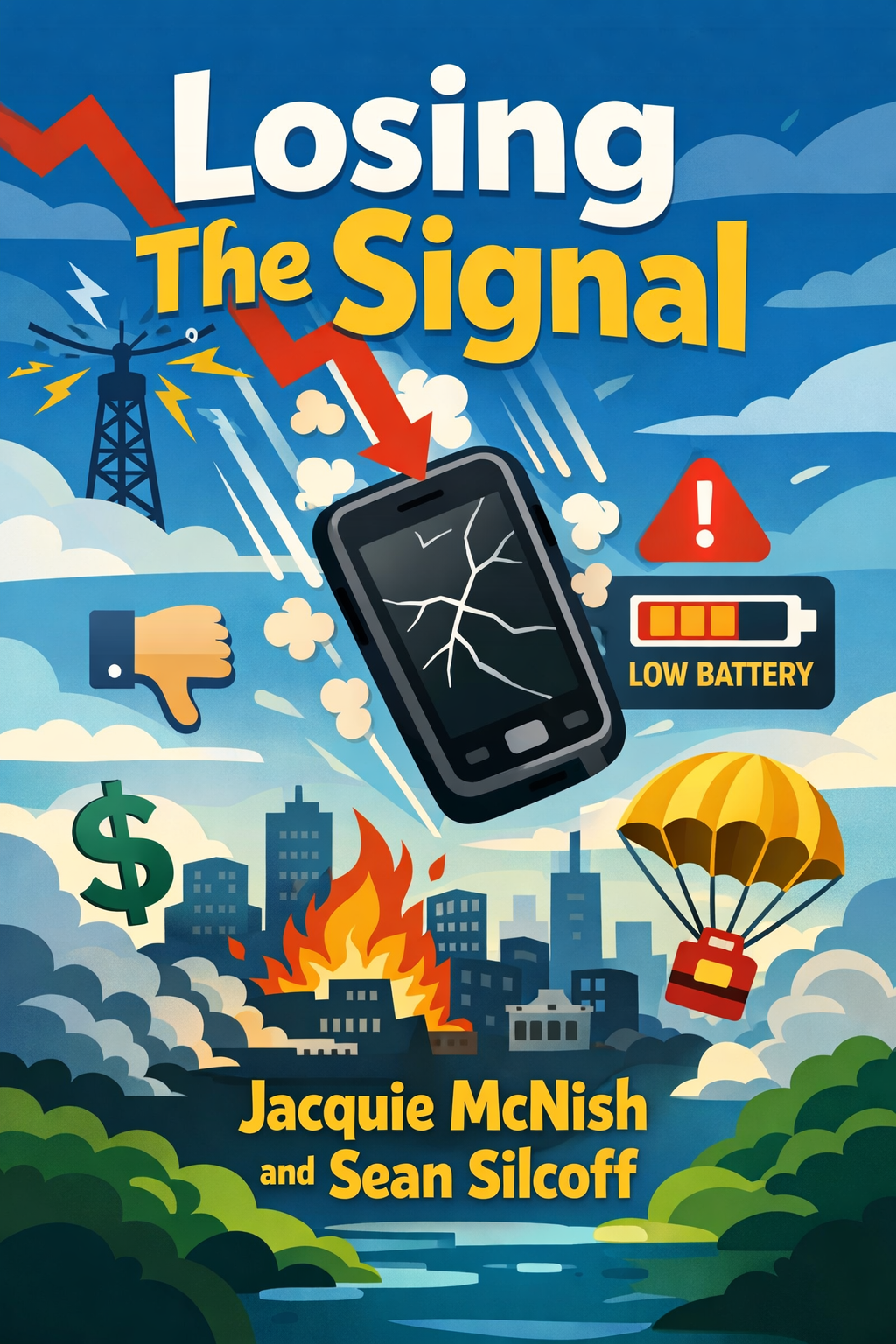
As the company bled market share and its stock price collapsed, the personal rift widened into a governance crisis. The board, losing confidence, eventually forced both men out. The downfall was now complete. A company that had pioneered mobile email and dominated the corporate world failed to see that the future was not about a better keyboard, but about a revolutionary new way of interacting with the digital world. The story of BlackBerry is a powerful reminder that no market position is unassailable. It highlights the perils of complacency, the danger of dismissing disruptive innovation, and the devastating cost when a founding partnership turns from an asset into a liability. Ultimately, RIM didn’t just lose a technology battle; it lost the signal of where the market was heading, and by the time it tried to retune, it was too late.