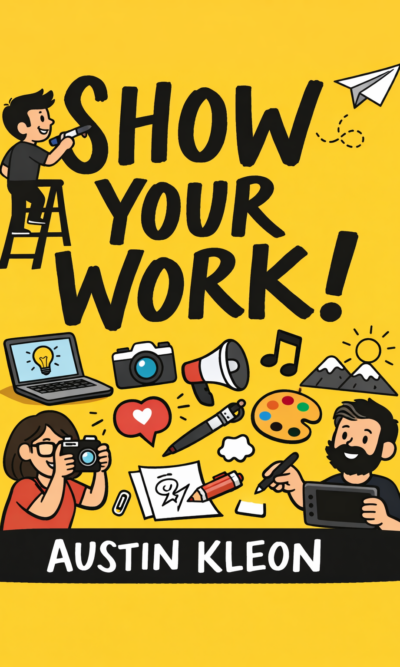
Description
In an age where our focus is constantly fractured by notifications and digital demands, many of us feel a profound loss of control over our own minds and time. This book presents a path forward, a process of “lifescaling” that helps individuals rebuild their attention, rekindle their innate creativity, and redirect their lives toward deeper purpose and fulfillment. It begins with a stark acknowledgment: our state of perpetual distraction is not a personal failing but a designed outcome. The very technologies and platforms we use daily are engineered to capture and hold our attention through persuasive design, exploiting human psychology to keep us clicking and scrolling. This constant task-switching fragments our concentration, diminishes our memory, stifles creative thought, and elevates stress, leaving us feeling drained and unproductive.
The journey to reclaim your mind starts with practical, immediate strategies known as attention hacks. These are not permanent fixes but essential tools to break the cycle of distraction and build momentum. A crucial first step is understanding and overcoming procrastination, which is often a reaction to avoiding unpleasant emotions tied to a task. By reframing your to-do list to focus on the benefits of completion, you can shift your mindset. Structuring your day is also key; tackle your most demanding work during your peak mental hours, typically in the morning when cognitive capacity is highest. Create a focused environment by silencing notifications and removing digital temptations, as each interruption significantly extends the time needed to complete work. Employ techniques like working in timed sprints with planned, rejuvenating breaks to maintain sustainable productivity without burnout.
Beyond mere productivity, the book argues for the vital importance of nurturing creativity. This isn’t just about artistic expression but about the lowercase ‘c’ creativity that fuels problem-solving, learning, and innovative thinking in everyday life. Engaging in creative acts has tangible benefits for mental and physical health, increasing happiness and resilience. To reawaken this often-suppressed ability, one must reconnect with childlike curiosity, asking open-ended questions and allowing for playful exploration. It involves boldly recording ideas without self-censorship, expressing oneself through various outlets, and, most importantly, releasing the fear of failure that stifles experimentation and growth.
True and lasting happiness, the text suggests, is found not in the fleeting pursuit of positive emotions but in the deeper waters of meaning and purpose. This requires a conscious exploration of personal values. By reflecting on pivotal life experiences—both joyful and challenging—you can identify the core principles that truly guide you. Distilling these into a concise set of overarching values, and then committing to live by them, provides a compass for decision-making. This alignment of action with personal meaning fosters a sense of fulfillment that transient pleasures cannot match.
To sustain this intentional life, cultivating mindfulness is essential. Mindfulness is the practice of anchoring one’s attention in the present moment, observing thoughts and feelings without immediate judgment or reaction. It is the antidote to the autopilot mode of constant mental chatter and distraction. Through simple practices like focused breathing or sensory awareness, you can train your mind to notice when it wanders and gently return to the now. This heightened awareness creates a space between stimulus and response, allowing you to choose where to direct your energy rather than being pulled by every digital ping or passing anxiety.
With a clearer mind and a stronger sense of purpose, you can then define success on your own terms. This involves moving beyond societal templates to ask a fundamental question: “Why?” Understanding the deeper reason behind your goals transforms them from arbitrary checkboxes into meaningful pursuits. This clarity fuels a positive, growth-oriented mindset, where challenges are viewed as opportunities to learn rather than insurmountable obstacles. It builds the resilience needed to persist.
Finally, to achieve meaningful outcomes, you must cultivate the capacity for deep work—the ability to focus without distraction on cognitively demanding tasks. This requires deliberately designing your environment and habits to support prolonged concentration. It means setting boundaries, scheduling sacred focus time, and eliminating potential interruptions. By integrating the principles of attention management, creative renewal, mindful presence, and value-driven purpose, you construct a life that is not only productive but also profoundly satisfying. The book concludes that this holistic process of lifescaling enables you to scale your life to its fullest potential, mastering your attention to create a legacy that matters.