Description
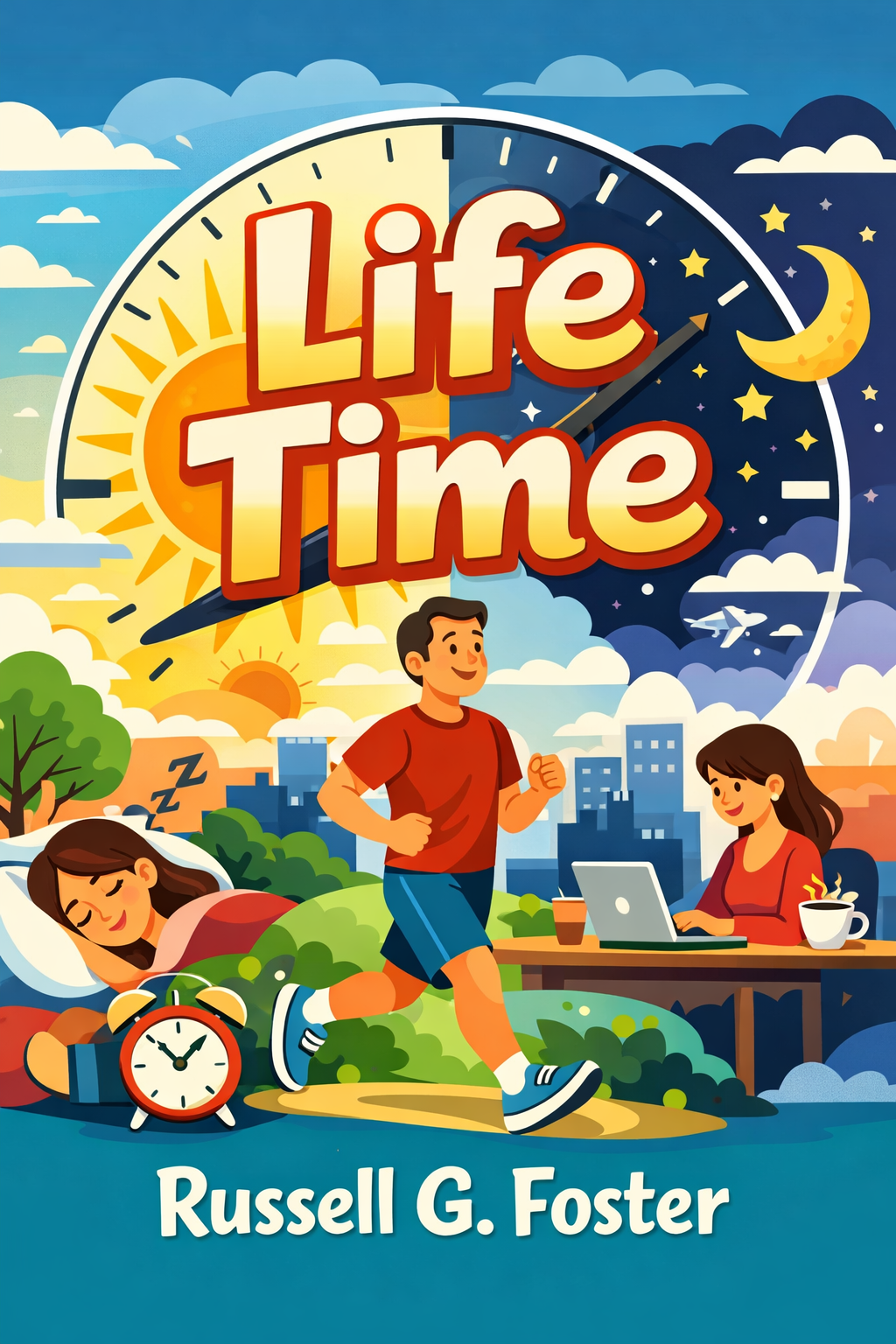
Every cell in your body follows a profound, ancient rhythm, a biological cadence that dictates when you feel alert, hungry, or ready for rest. This internal timekeeper, honed over billions of years, orchestrates a symphony of processes from your brain to your liver. Modern life, with its artificial light and erratic schedules, often clashes with these deep-seated patterns, leading to fatigue, poor health, and diminished performance. By understanding and respecting these natural cycles, you can transform your daily life, aligning your habits with your biology to unlock sustained energy, sharper focus, and better overall wellbeing.
The master conductor of this daily symphony is a tiny cluster of neurons in your brain. This biological clock operates on a precise 24-hour cycle, driven by the rhythmic rise and fall of specific proteins within your cells. It does far more than regulate sleep; it sends out hormonal signals that prepare your digestive system for morning food, sharpens your mental acuity for late morning challenges, and primes your muscles for peak physical performance in the late afternoon. Sleep itself is governed by two interlocking systems: one that builds sleep pressure like sand in an hourglass throughout the day, and another that releases sleep-inducing and wake-promoting hormones at precisely the right times. This elegant system ensures every organ, from your pancreas to your fat cells, operates on schedule. However, this ancient mechanism is now navigating a world it was never designed for, where the primary cue it relies on—light—has been fundamentally altered.
Light is the most powerful reset button for your internal clock. Specialized cells in your eyes, distinct from those used for vision, detect brightness and directly communicate with your brain’s timekeeper. These sensors respond strongly to blue wavelengths and require sustained exposure—about thirty minutes—to adjust your rhythm. This is where modern life creates a profound mismatch. During the day, we often exist in biological twilight, receiving far less bright light than our systems need to stay robustly synchronized. At night, we flood ourselves with artificial light, especially the blue-rich glow from screens and LEDs, sending a false signal of perpetual daytime that delays sleep and pushes our entire clock later. This constant state of low-grade jet lag disrupts the finely tuned release of hormones like cortisol and melatonin, setting the stage for a cascade of health issues.
When your body’s clock falls out of sync with your life’s demands, you enter a state of biological discord. Your cortisol rhythm, which should peak at dawn to energize you and fade by evening, becomes scrambled, appearing at odd hours. This hormonal confusion impairs your body’s ability to manage blood sugar, increases appetite, promotes weight gain, and weakens immune defenses. The long-term consequences are significant: research shows that chronic disruption, such as that experienced by night shift workers, substantially increases the risk of heart disease, diabetes, mood disorders, and certain cancers. Even the common “social jet lag” caused by differing sleep schedules on weekdays versus weekends can chip away at your metabolic health over time. This isn’t merely about feeling tired; it’s about your fundamental physiology operating under stress.
The good news is that this intricate timing system, when supported, becomes a powerful ally for health and performance. Your immune system, for instance, follows a potent daily rhythm. Immune cell counts and activity peak during the day when you’re most likely to encounter pathogens, and recede at night for repair. This rhythm is so influential that the timing of medical interventions matters; morning vaccinations have been shown to produce a significantly stronger immune response than afternoon ones. Your metabolism is also exquisitely time-sensitive. Your body processes food most efficiently earlier in the day, when insulin sensitivity is highest and your digestive system is primed for action. A meal eaten in the morning triggers a completely different metabolic response than the same meal eaten late at night. Furthermore, natural reproductive cycles, from daily fertility peaks to the timing of birth, are deeply entwined with these circadian rhythms, highlighting how fundamental timing is to life itself.
Optimizing your life around these cycles is both a science and an art. It begins with harnessing light: seeking bright, preferably natural, light in the morning to firmly set your clock and signal wakefulness, and minimizing exposure to blue and bright lights in the evening to allow melatonin to rise naturally. Consistency is king—going to bed and waking up at similar times, even on weekends, stabilizes your rhythm. Align your activities with your body’s natural peaks: tackle demanding cognitive work during your late-morning mental clarity, schedule physical training for the late afternoon when strength and coordination often peak, and allow evenings to wind down. When it comes to eating, front-load your calories earlier in the day and consider a consistent eating window that gives your digestive system a prolonged rest overnight. By making these deliberate adjustments, you move from fighting your biology to collaborating with it. You stop seeing your body as a machine to be pushed and start recognizing it as a rhythmic, living system. The result is not just improved sleep or productivity, but a foundational shift toward operating in harmony with your own nature, unlocking a more energized, resilient, and balanced version of yourself.