Description
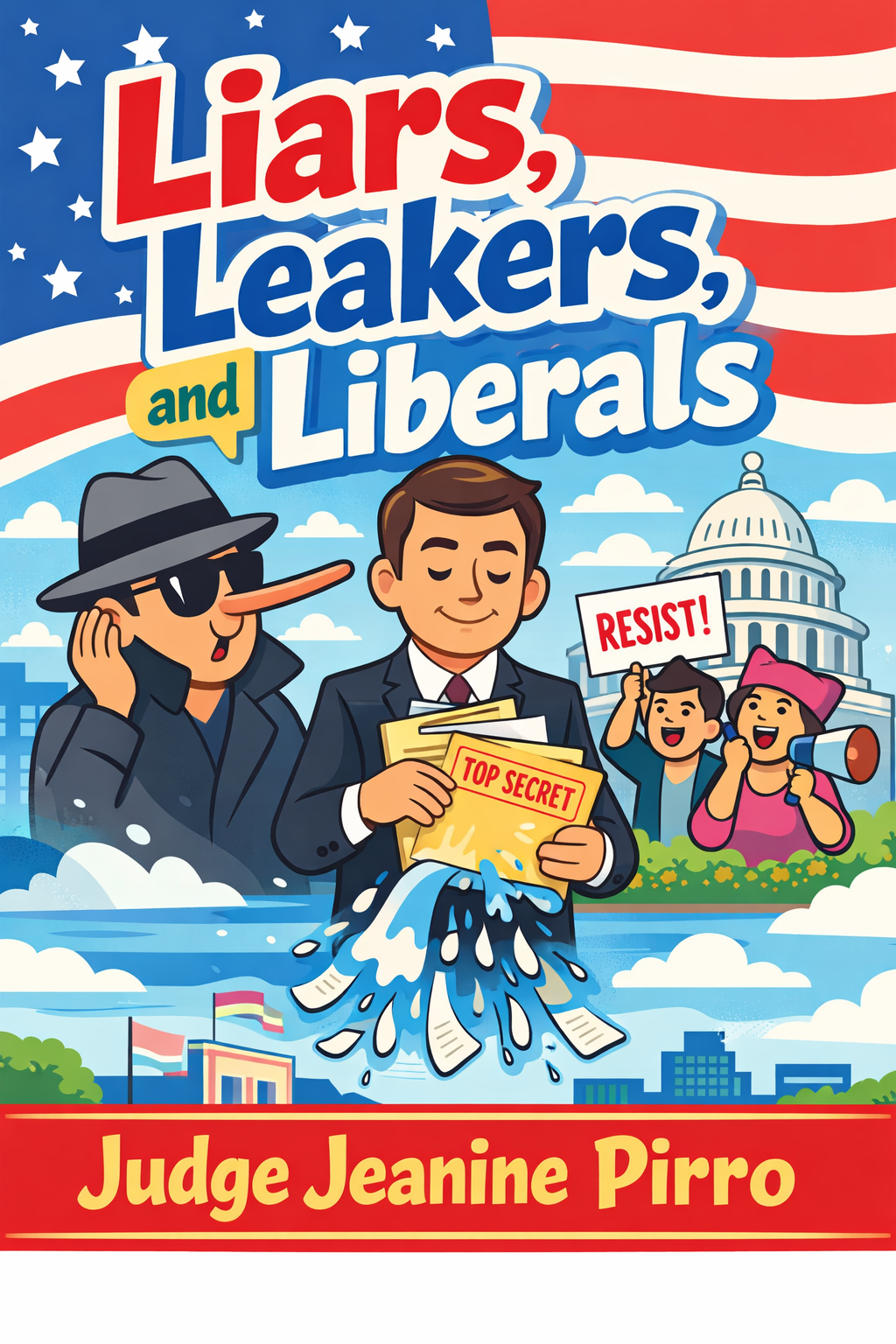
The book presents a forceful and personal defense of a controversial presidency from the perspective of its central figure. It constructs a narrative where the administration was not merely opposed through standard political channels, but was the target of a sustained, covert campaign of sabotage. This campaign, the argument goes, was orchestrated by a powerful alliance of entrenched interests threatened by the president’s disruptive agenda.
The core thesis identifies three primary groups as the architects of this obstruction. First are the “Leakers”—individuals within the government’s own intelligence and law enforcement agencies who allegedly abused their positions to clandestinely share sensitive and often misleading information with a complicit press. The book details several high-profile investigations, framing them not as legitimate inquiries but as politically motivated operations spawned by this illicit leakage. It suggests that protocols were ignored and standards were lowered specifically to target the administration, creating a cloud of suspicion from its earliest days.
Second are the “Liars,” primarily embodied by what the author terms the “fake news” media. The narrative asserts that major news organizations abandoned any pretense of objectivity, acting as an overt opposition party. Their reporting is characterized as a relentless barrage of negativity, where stories were based on anonymous leaks from partisan sources, corrections were downplayed, and context was ignored to create a narrative of perpetual scandal. The book contends that this was not about holding power accountable, but about delegitimizing a duly elected president and swaying public opinion through a constant drumbeat of manufactured crises.
The third group encompasses the “Liberals,” a broad category including Democratic politicians, Hollywood elites, and the so-called “deep state” bureaucracy. The argument posits that these groups, united by their opposition to the president’s America-first policies on immigration, trade, and foreign policy, used every tool at their disposal to block his agenda. This ranged from congressional resistance and bureaucratic inertia to public denunciations from cultural figures. The “deep state” is portrayed as a permanent administrative class intent on maintaining established policies and resisting the directives of the populist leader they were supposed to serve.
Throughout, the author positions himself as a political outsider who stormed the gates of a corrupt Washington establishment. The relentless opposition he faced is framed as proof of his effectiveness; the intensity of the attacks is presented as evidence that he was delivering on his promises to disrupt the status quo. The book revisits key moments—the battles over judicial appointments, the response to the Russia investigation, the impeachment proceedings—interpreting them through this lens of partisan warfare rather than constitutional conflict.
The tone is combative and defensive, often addressing the reader directly to contrast the administration’s stated accomplishments with the scandal-focused coverage it received. It seeks to invert the traditional scandal narrative, suggesting that the real scandal was not any action by the president, but the unprecedented effort by powerful institutions to nullify the results of a democratic election. The underlying message is one of grievance and perseverance, portraying the presidency as a four-year struggle against a system that never accepted his authority and worked tirelessly to see him fail. Ultimately, it is less a detailed policy manifesto and more a polemic against the media, the intelligence community, and political opponents, serving as a rallying cry for supporters who believe the president was unfairly maligned.