Description
The journey to creating valuable software is rarely a straight line. Traditional methods often involve extensive upfront planning, where every feature is meticulously designed before a single line of code is written. This approach, while orderly, operates in a vacuum, disconnected from the very people it aims to serve. A stark illustration is the hypothetical development of an early e-reader. A team might spend eighteen months perfectly executing a detailed specification, only to launch a product that is already obsolete because market standards shifted during development. The result is a costly, beautifully built solution to a problem that no longer exists. This failure stems from a fundamental misunderstanding: you cannot design good software in isolation from the real world and its ever-changing needs.
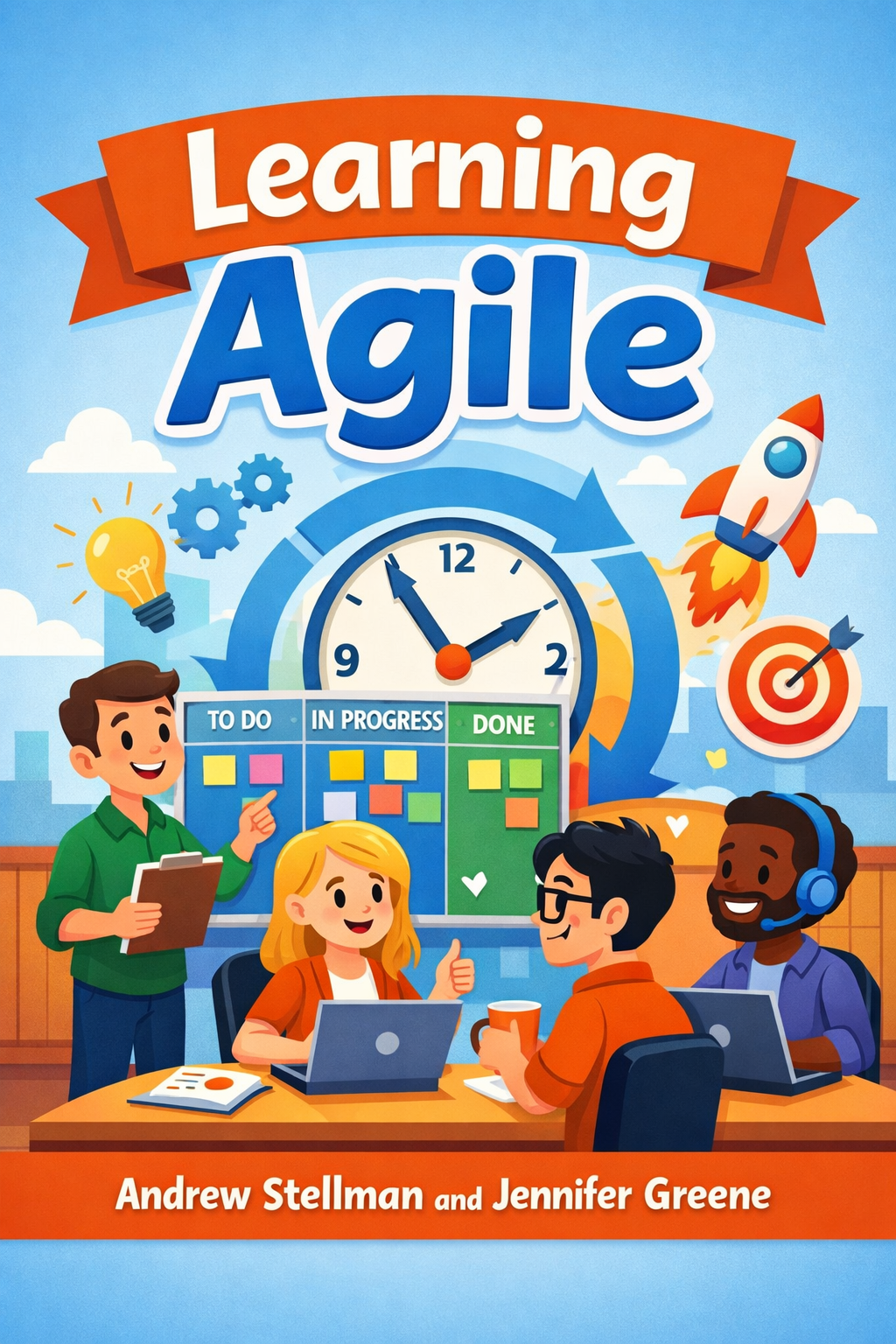
The core alternative is an iterative process. Instead of aiming for a distant, perfect final product, the goal becomes releasing functional software early and often. This philosophy turns the traditional model on its head. The highest priority is to satisfy the customer through the early and continuous delivery of valuable software. Releasing an imperfect version today is not a failure; it is a strategic move. It provides immediate, tangible value to the user—they can now do something they couldn’t before—and, more importantly, it opens a vital feedback loop. By interacting with a real product, customers gain clarity on their own needs and can articulate what they truly want. Developers, in turn, are no longer guessing in the dark. They receive concrete information that guides the next cycle of improvements. This repeated cycle of build, release, feedback, and adapt is the engine of agility, ensuring the final product evolves in lockstep with actual user requirements.
Adopting this approach requires a profound shift in mindset, centered on embracing change. In a traditional setting, a mid-project change in direction is often seen as a catastrophic failure, a sign of poor planning that wastes effort and demoralizes teams. An agile perspective reframes this. Change is not an interruption to the plan; it is a crucial source of information and the key to avoiding a far greater waste: building the wrong thing. When a customer requests a major change, it is rarely out of caprice. More likely, they have gained new insight from seeing a working prototype or from shifts in their own business landscape. Recognizing that both developers and customers are collaborating to navigate uncertainty—neither can read minds nor predict the future—fosters empathy. The frustration of altering course is minor compared to the despair of delivering a flawless, useless product. This mindset transforms change from a threat into the most valuable tool for creating relevant software.
Ultimately, iterative processes function as a lifeline to the customer. They replace assumptions with evidence, and speculation with data. By maintaining this constant, tight connection, development teams can move with nimbleness and confidence. They spend their energy building what is needed now, informed by real use, rather than what was imagined months ago. This continuous engagement ensures that every increment of work adds genuine value and steers the project toward a meaningful destination. The software that emerges from this process may differ significantly from the initial vision, but it will be a living, responsive tool that solves real problems, which is the true measure of success.