Description
We live in a world that celebrates the prodigy, the young founder, the early achiever. From prestigious “30 Under 30” lists to stories of tech wunderkinds revolutionizing industries before thirty, the cultural message is clear: peak success is a young person’s game. This pervasive narrative creates a narrow and punishing timeline, suggesting that if you haven’t made your mark early, you’ve somehow fallen behind. But this fixation on early blooming is not only misguided—it’s harmful. It overlooks the vast majority of people who discover their talents, passions, and true capabilities on a longer, more winding timeline. This book argues that blooming later is not a consolation prize; it is a different and often more powerful path to a fulfilling life.
The cult of the early achiever places immense pressure on young people, contributing to a measurable mental health crisis. The transition to a meritocracy, while positive in many ways, spawned an obsessive focus on metrics like test scores and college admissions. This has escalated into a high-stakes arms race where families invest fortunes in tutors, and students endure tremendous stress to secure a spot on the perceived fast track. This environment prioritizes extrinsic goals—wealth, status, prestige—over intrinsic ones like self-knowledge, capability, and personal happiness. The result is a generation experiencing soaring rates of anxiety and depression, as their sense of worth becomes tied to an arbitrary and accelerated timeline for success.
This pressure is neurologically nonsensical. Brain science reveals that the human prefrontal cortex—the center for executive functions like planning, complex decision-making, and emotional regulation—does not fully mature until around age twenty-five, and often later. The idea that an eighteen-year-old should have their entire life mapped out is at odds with their own biology. A major longitudinal study showed that brains continue developing structurally well into the mid-twenties. Young people are, quite literally, not finished cooking. Expecting them to have achieved peak professional success before their own cognitive hardware is fully online is a recipe for frustration and self-doubt. Instead, this period of post-adolescence should be recognized as a vital time of exploration, not a race to a finish line.
This leads to the important concept of “emerging adulthood,” a distinct life stage between adolescence and full adulthood, roughly spanning ages eighteen to thirty. Today, young people take longer to complete their education, become financially independent, and start families. Rather than a failure to launch, this prolonged period is a critical window for self-actualization. It is a time for identity exploration, trying out different careers, traveling, and building a sense of self before making lasting commitments. Engaging in cognitively demanding and novel experiences during this time—like meaningful travel, service, or interdisciplinary study—enhances brain plasticity, fosters independent thinking, and builds a more robust foundation for the future. This isn’t about delaying adulthood but about investing in a richer, more self-aware entry into it.
The strengths of a late bloomer are not merely delayed versions of youthful talents; they are qualitatively different. As we age, we develop crucial cognitive and emotional skills that are often in short supply in early prodigies. These include crystallized intelligence—the accumulated knowledge and expertise that allows for nuanced judgment and wisdom. We get better at seeing the big picture, managing complex systems, and navigating social and emotional landscapes. Qualities like patience, resilience, empathy, and the ability to synthesize disparate ideas often flower with time and experience. A late bloomer brings to a problem a depth of context and a steadiness that can outpace raw, early talent. History is filled with examples of individuals who made their most significant contributions in their later decades, leveraging these accumulated strengths.
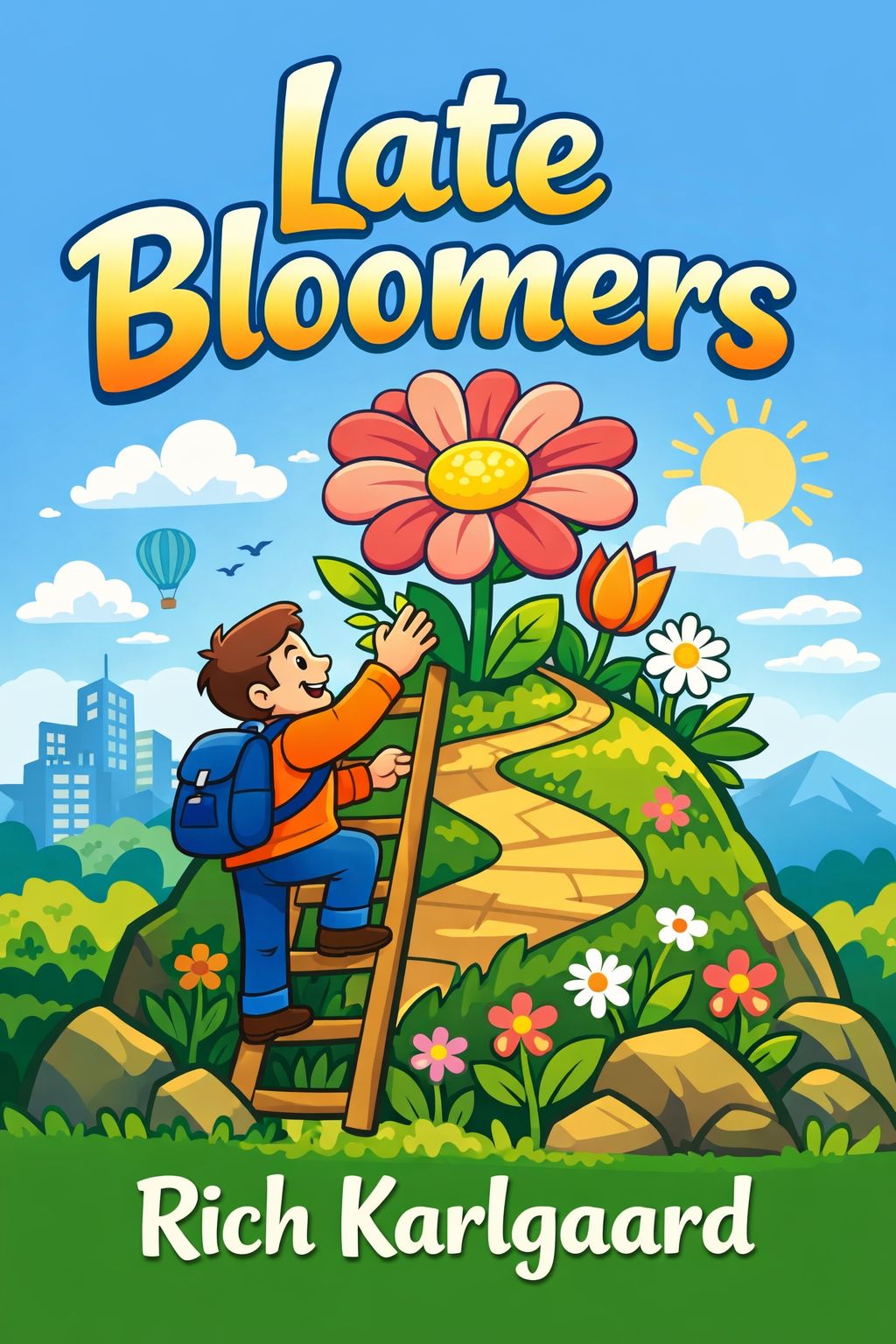
To nurture more late bloomers, we need to rethink our societal pathways, particularly in education and career. Our current systems are built like ladders: linear, sequential, and with severe penalties for stepping off. What we need are structures that resemble lattices or webs, allowing for periods of exploration, reskilling, and re-entry. This means valuing gap years, supporting continuing education at all ages, and creating career trajectories that aren’t ruined by a nonlinear journey. Companies and institutions benefit immensely from the diversity of thought that comes from hiring people who have lived varied lives and solved different kinds of problems. A culture that honors continuous growth over a lifetime unlocks potential at every age.
Ultimately, blooming late requires a degree of self-determination. It involves quieting the external noise of cultural expectations—the glorification of hustle, the idolization of youth—to listen to your own internal rhythm. This often means reinventing yourself, having the courage to pivot, and embracing a beginner’s mindset long after society says you should be an expert. The late bloomer’s journey is one of self-trust. It is the understanding that your timeline is valid, that your experiences are compounding into unique value, and that your most meaningful achievements may be ahead of you, waiting for the wisdom and perspective only you have earned. The goal is not to catch up to the early achievers, but to step onto your own path and define success on terms that resonate with the person you are becoming.