Description
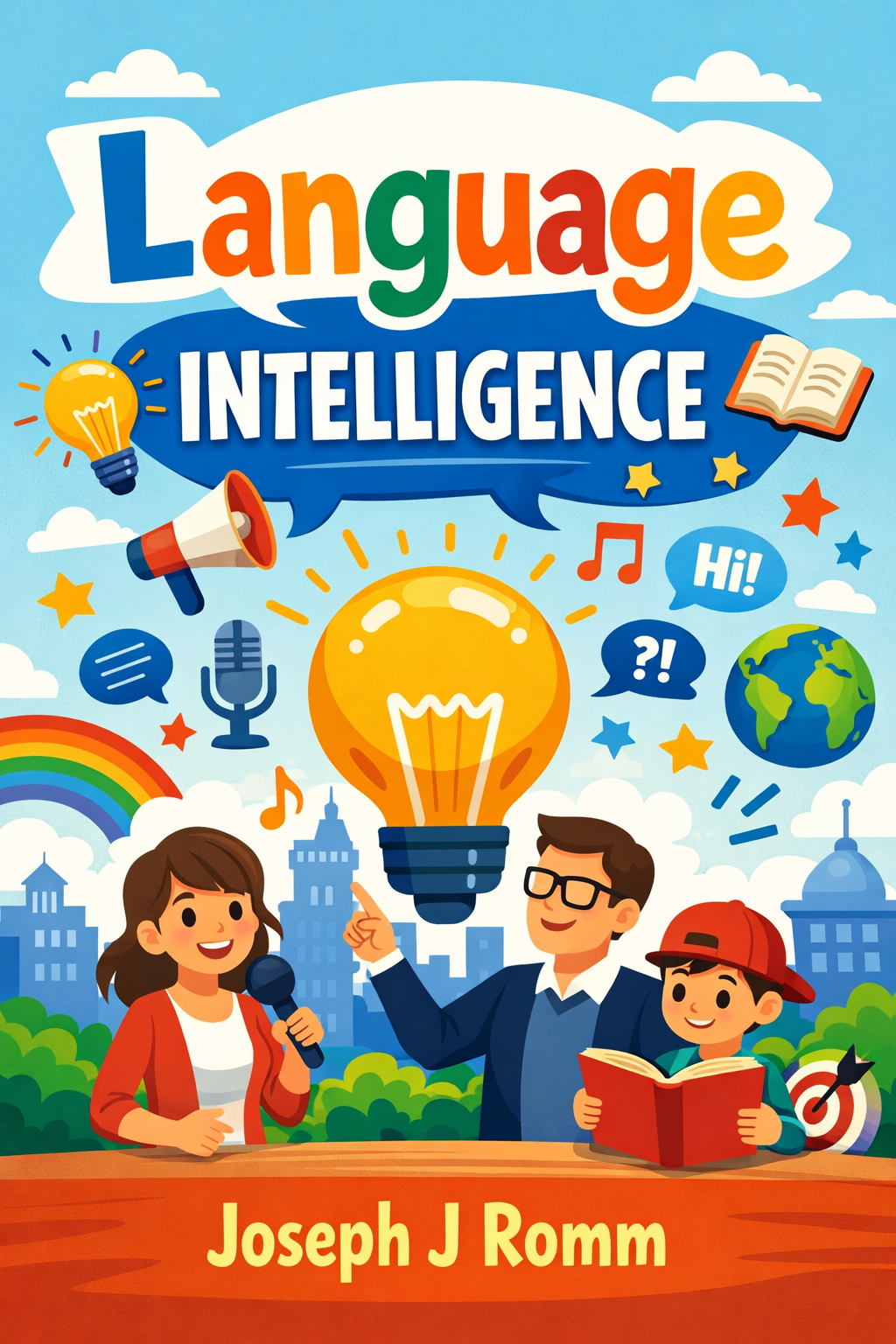
Throughout history, the most influential figures have wielded words not just to inform, but to transform. They understood a fundamental truth: how you say something is often as important as what you say. This book delves into the ancient art of rhetoric, resurrecting powerful linguistic tools from classical orators, biblical prophets, and political leaders, and demonstrates their startling relevance in our modern world of emails, presentations, and everyday conversations. It argues that true persuasive power doesn’t come from complex jargon or aggressive argument, but from mastering simple, timeless patterns of speech that resonate deeply with the human mind.
The core of the book builds upon the foundational pillars of rhetoric established by the Greeks and Romans. It moves beyond dry theory to present these techniques as a practical toolkit. One of the most potent tools discussed is metaphor. The book explains that metaphors are far more than decorative language; they are conceptual frameworks that allow an audience to understand a new or complex idea by linking it to something familiar and concrete. By carefully choosing your metaphors, you can shape how people perceive a problem, a product, or a person, embedding your perspective directly into their mental landscape. Similarly, the book explores the power of repetition in its various forms. Simple repetition of a key phrase can make an idea memorable, while more sophisticated patterns like chiasmus—reversing the order of words in parallel clauses—can create a satisfying sense of balance and wisdom, making your message feel inevitable and true.
Another critical area explored is the use of balance, contrast, and rhythm. Techniques like antithesis, which juxtaposes opposing ideas in a parallel structure, create clarity and dramatic tension. The book shows how phrases built on these principles are inherently more quotable and sticky. It also examines the subtle power of sound, showing how alliteration and assonance can make language more pleasurable to the ear and easier to recall, lending a statement a poetic weight that transcends its literal meaning. These are not tricks reserved for poets; they are persuasive mechanisms hardwired into our response to language.
Perhaps most intriguingly, the book dedicates significant attention to the power of questions and silence. Rhetorical questions, rather than seeking an answer, guide the listener to a predetermined conclusion, making them feel as if they discovered the insight themselves. It also discusses the Socratic method of using a series of questions to dismantle flawed logic and build a case from the ground up. Furthermore, it highlights what it calls “the rhetoric of silence”—the strategic use of pauses, omissions, and unspoken implications. By allowing an audience to fill in the blanks, you engage them more deeply and make your message a collaborative discovery.
The final sections of the book apply these classical techniques to contemporary challenges. It analyzes modern political speeches, iconic advertisements, and compelling social media campaigns, revealing the ancient skeletons beneath their modern phrasing. It provides practical guidance for using these tools in day-to-day scenarios: how to frame a pitch to make it irresistible, how to structure an argument to overcome objections preemptively, and how to choose words that foster collaboration instead of conflict. The underlying message is one of empowerment. Language intelligence is not an innate gift but a learnable skill. By understanding and applying these patterns, you stop being a passive user of language and become its architect, capable of building understanding, inspiring action, and navigating the world with greater influence and clarity. Ultimately, it’s about recognizing that words are the currency of human connection and change, and this book provides the manual to mint them effectively.