Description
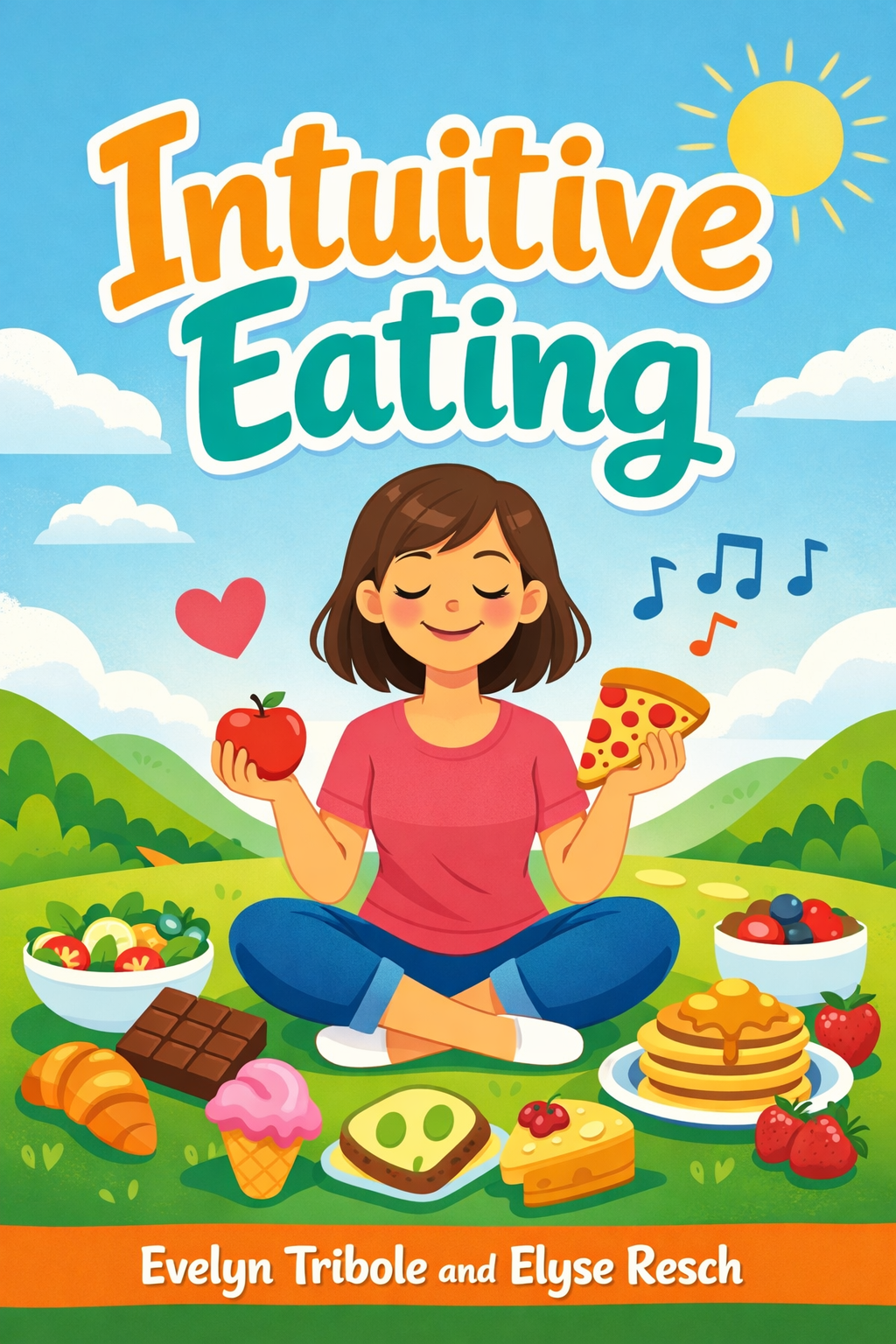
In a world saturated with conflicting nutritional advice and quick-fix diets, a profound truth often gets lost: our bodies possess an innate, sophisticated intelligence about what and how much to eat. This concept, known as intuitive eating, presents a radical alternative to the cycle of restriction and guilt. It argues that the very act of dieting is the problem, not the solution. By learning to listen to our internal cues of hunger and fullness, and by making peace with all foods, we can cultivate a sustainable, healthy, and pleasurable relationship with eating.
The central premise is that dieting is fundamentally counterproductive. Despite a multi-billion dollar industry promising results, long-term studies reveal a stark reality: the majority of dieters not only regain lost weight but often end up heavier than when they started. This isn’t a personal failure of willpower but a biological inevitability. When we restrict calories, our bodies interpret this as a famine, triggering powerful survival mechanisms. Metabolism slows to conserve energy, and biochemical signals, like neuropeptide Y, ramp up cravings for high-calorie, carbohydrate-rich foods. This sets the stage for the classic rebound effect—periods of deprivation inevitably lead to episodes of overeating. The body, in its ancient wisdom, is simply fighting to ensure its survival against what it perceives as a threat.
This biological rebellion is mirrored in our psychology, turning eating into an unhealthy emotional roller-coaster. Diets operate on restriction, creating categories of “good” and “bad” foods. Initially, avoiding “forbidden” items feels virtuous, but this soon breeds resentment and deprivation. The mental strain often leads to a lapse, which is then followed by guilt. This guilt can trigger the “what-the-hell” effect, where a small slip turns into a full-blown binge because the diet is already considered broken. The individual then swings back to extreme restriction, restarting the exhausting cycle. This pattern damages our emotional well-being, making food a source of anxiety rather than nourishment and pleasure.
The alternative lies in rediscovering the intuitive eater within, a skill we are all born with. Observe a toddler: they eat enthusiastically when hungry and push food away when full, naturally regulating their intake over time without any external rules. Adults have this same capacity, but it becomes buried under years of dieting rules, external food advice, and emotional eating. The journey back begins with two foundational principles. First, one must learn to honor hunger by responding to early, gentle cues for nourishment. This prevents the body from slipping into a ravenous, primal state that drives overconsumption. Second, and equally important, is making peace with food. This involves giving yourself unconditional permission to eat foods you truly enjoy. Paradoxically, when a food is no longer forbidden, it loses its charged, compulsive power. The chocolate cake in the fridge becomes just another option, not a rebellious temptation. This process, sometimes called the “habituation principle,” allows you to enjoy treats mindfully and move on, breaking the cycle of deprivation and binge.
Moving forward, this practice deepens into mindful eating and rejecting the external “food police”—the voices of diets, well-meaning friends, and pervasive media messages that dictate what you should eat. By eating without distraction, savoring each bite, and checking in with your body’s satiety signals, you learn to recognize the point of comfortable fullness. This is not about rigid control but about attentive awareness. The ultimate goal is to discover the satisfaction factor: eating foods that are both pleasing to the palate and nourishing to the body. When you eat what you truly want, in a environment of enjoyment, you often find you need less of it to feel content.
Intuitive eating is not a diet with a weight-loss guarantee; it is a framework for self-care. It encourages movement for how it makes you feel—energized, strong, joyful—rather than as a punishment for calories consumed. It promotes gentle nutrition, the idea of choosing foods that honor your health and taste buds while making you feel well, without strict mandates. By ending the war with food, you reclaim mental space and energy, reduce anxiety, and foster a profound sense of body respect. The path leads away from external control and toward a trusting, compassionate partnership with your own body, transforming eating from a source of stress into a simple, sustainable, and deeply satisfying part of life.