Description
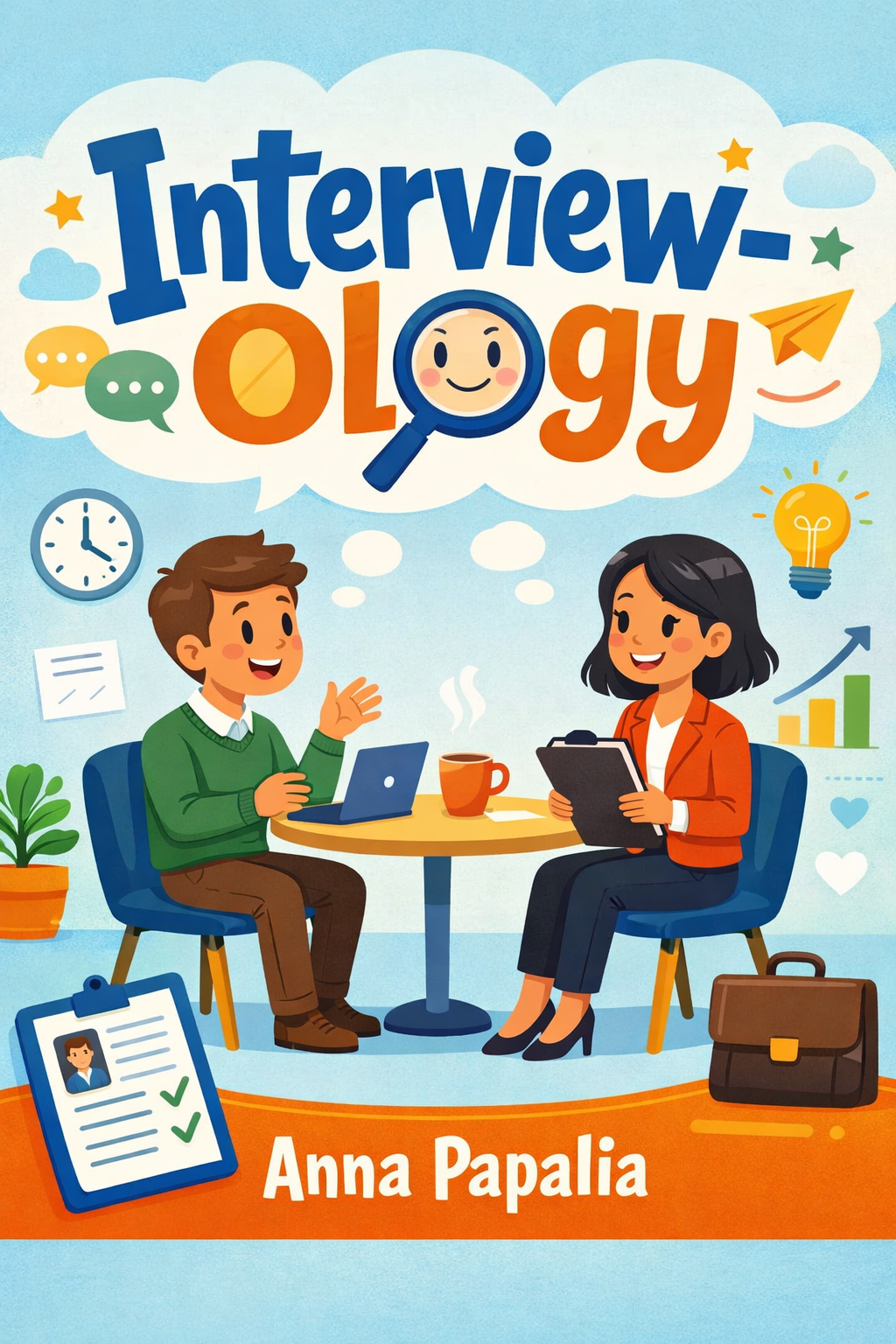
The traditional approach to job interviews often promotes a single, polished formula for success, leaving many candidates feeling inauthentic and disconnected. This book proposes a transformative alternative: the science of understanding your innate interview style. By moving beyond generic advice, it argues that true interview mastery comes from self-awareness, not imitation. The core premise is that each person has a natural, default mode of communication and interaction during high-stakes professional conversations. Attempting to suppress this instinct in favor of a “perfect” archetype creates internal conflict, increases anxiety, and often makes candidates seem less genuine to perceptive interviewers. The path to confidence and success lies in identifying, embracing, and strategically refining your inherent style.
The book introduces a framework built on four distinct interview styles, each with unique strengths, potential blind spots, and strategies for optimization. The first style is the Charmer, who excels at building immediate rapport and creating a warm, engaging atmosphere. Charmers are naturally perceptive to social cues and adept at making interviewers feel at ease, often weaving compelling narratives about their experiences. Their primary challenge is ensuring their natural likability is backed by substantive content, avoiding the trap of prioritizing approval over authenticity. For Charmers, the key is to structure their natural storytelling with concrete examples and data, ensuring their memorable personality is anchored by clear evidence of their capabilities.
In contrast, the Challenger approaches the interview as an intellectual exchange or a respectful debate. This style is characterized by directness, deep curiosity, and a desire to engage with the core substance of the role and company. Challengers ask probing questions and value authentic dialogue over superficial pleasantries, which can demonstrate critical thinking and passion. However, without careful modulation, this can be misinterpreted as confrontational or dismissive of the social dynamics at play. The effective Challenger learns to temper their natural skepticism with active listening and emotional intelligence, choosing the right moment for deeper inquiry and framing challenges as collaborative problem-solving.
The third style, the Examiner, treats the interview as a competency test to be passed with precision. Prepared, meticulous, and fact-oriented, Examiners bring strong listening skills and the ability to deliver concise, accurate answers. They derive confidence from thorough research and a command of details. Their potential hurdle is appearing overly reserved or transactional, struggling to reveal the person behind the qualifications. For Examiners, growth involves intentionally bridging the gap between data and personality. This might mean practicing to share brief, relevant anecdotes that illustrate their facts or making a conscious effort to engage with the interviewer on a human level, revealing their motivations and values alongside their expertise.
Finally, the Harmonizer focuses on alignment, cooperation, and team dynamics. This style seeks to understand the broader ecosystem of the role, demonstrating how they would support colleagues and contribute to a positive culture. Harmonizers are skilled listeners who emphasize collective goals and stability, making them appear as reliable, thoughtful team players. The risk for this style is fading into the background or seeming to lack individual ambition or decisive leadership. A strategic Harmonizer will therefore prepare to highlight specific instances where their collaborative nature directly led to a team’s success, confidently articulating their personal role within group achievements.
Beyond guiding job seekers, the book also provides crucial insights for hiring managers. It encourages them to recognize these styles in candidates, moving past personal bias or the allure of a style that simply mirrors their own. A manager who understands this framework can better design interviews to draw out the best in each candidate, ask more revealing questions, and build teams with complementary interpersonal strengths. For instance, recognizing a candidate’s Examiner tendencies allows a manager to ask for specific, detailed examples, while for a Charmer, they might focus on how the candidate navigated a complex team relationship. This creates a fairer, more insightful evaluation process.
Ultimately, this method is about liberation from performance anxiety. It replaces the exhausting effort to be someone you’re not with the empowering work of becoming the most effective version of yourself. When you understand your interview style, you can prepare in a way that feels natural, highlight your genuine strengths without apology, and consciously develop areas that need balance. This self-knowledge transforms the interview from a judgmental interrogation into a more authentic, two-way conversation. It is a practical guide to turning one of the most stressful professional rituals into an opportunity for genuine connection and confident self-presentation.