Description
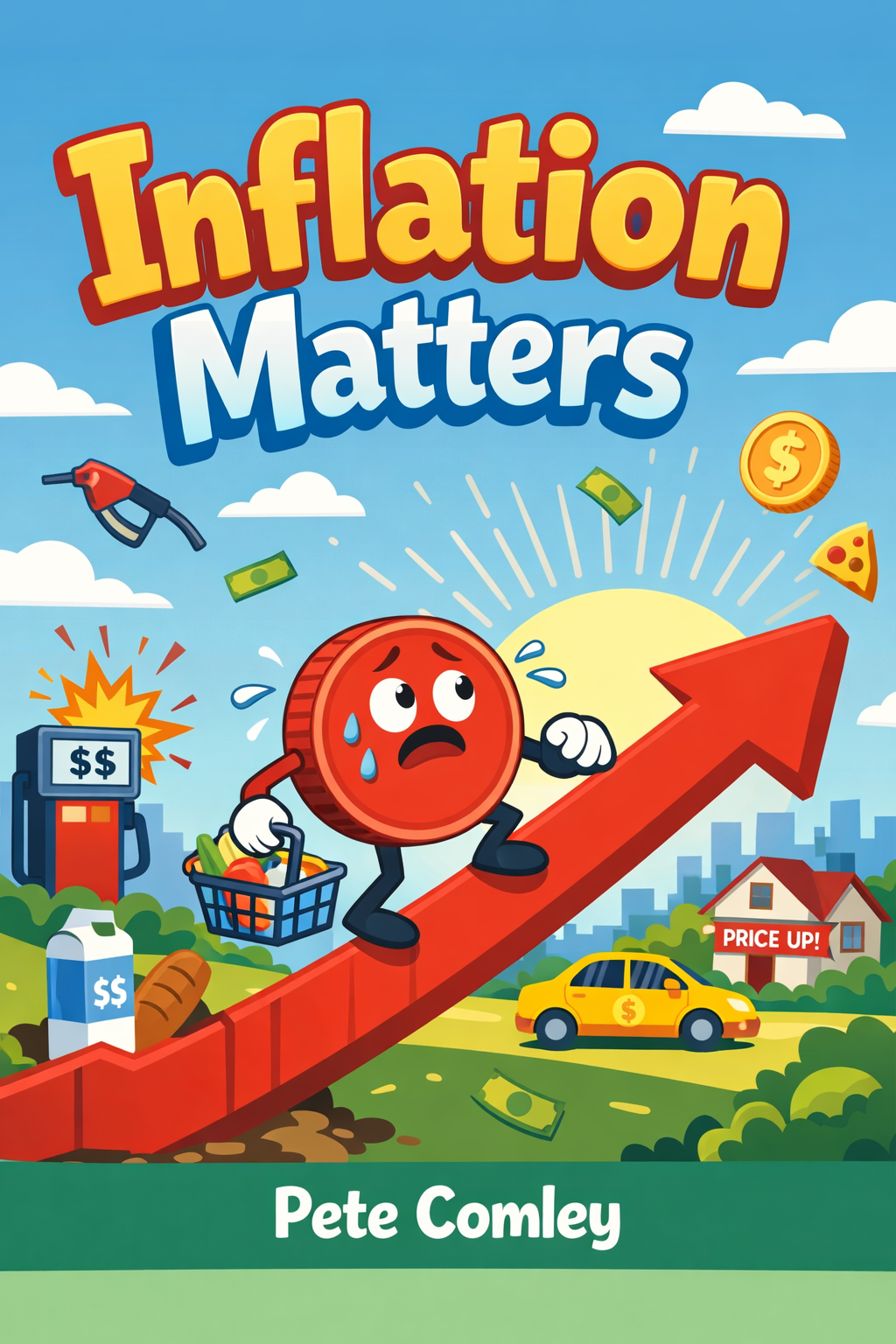
The book presents inflation not as a dry economic statistic, but as a pervasive and deeply human phenomenon that acts like a silent tax, a relentless tide reshaping the shoreline of our financial lives. It begins by dismantling the common misconception that inflation is merely a uniform increase in the cost of living. Instead, it frames inflation as a process of currency degradation, where the value of money itself erodes, creating winners and losers in a subtle, ongoing redistribution of wealth. This erosion is insidious, quietly diminishing purchasing power and forcing a constant, often stressful, recalibration of household budgets and long-term plans.
Moving beyond the basics, the narrative explores the intricate causes of inflationary periods. It carefully distinguishes between demand-pull inflation, driven by too much money chasing too few goods, and cost-push inflation, triggered by rising expenses for producers, such as energy or wages. The analysis avoids simplistic blame, illustrating how inflation can emerge from a perfect storm of factors: expansive central bank policies, supply chain disruptions, geopolitical conflicts, and entrenched expectations that prices will continue to climb. The book emphasizes that once the psychology of inflation takes hold—when businesses and consumers expect future price hikes—it can become a self-fulfilling prophecy, making it notoriously difficult for policymakers to tame.
A significant portion of the work is dedicated to the profound consequences of inflation, which extend far beyond the grocery store checkout line. It dissects how inflation crucially impacts savings and investments, acting as a silent adversary to cash holdings and fixed-income assets like bonds. The book explains the critical concept of the “real” rate of return, demonstrating how a nominal gain can become a real loss after inflation is accounted for. Conversely, it examines how tangible assets like real estate, commodities, and stocks have historically served as hedges, though not without their own risks and complexities during volatile periods.
The human and social dimensions of inflation are brought sharply into focus. The book argues that inflation is rarely a neutral force; it often acts as a regressive tax that disproportionately burdens those with fixed incomes, low wages, and minimal savings, while potentially benefiting debtors and owners of appreciating assets. This dynamic can exacerbate inequality, fuel social unrest, and undermine trust in public institutions and the stability of the financial system itself. The narrative provides a sobering look at historical hyperinflations, not as distant curiosities but as cautionary tales of societal breakdown where money becomes worthless and basic economic trust evaporates.
Finally, the book shifts from diagnosis to strategy, offering a pragmatic toolkit for individuals and families seeking to navigate an inflationary environment. This is not about speculative gambles but about foundational financial resilience. Advice centers on the importance of diversifying income streams, investing in assets that have a fighting chance of outpacing inflation, and managing debt wisely—understanding that while fixed-rate debt can be eroded by inflation, variable rates pose a different risk. It encourages a mindset shift from passive saving to active stewardship of capital, emphasizing financial education and disciplined planning as essential defenses.
In conclusion, the work posits that understanding inflation is a critical component of modern financial literacy. By demystifying its causes, recognizing its unequal effects, and adopting proactive strategies, individuals can move from being passive victims of economic forces to more empowered participants. The book leaves the reader with a clear message: in a world where the value of money is not constant, vigilance, knowledge, and adaptability are the most valuable currencies of all.