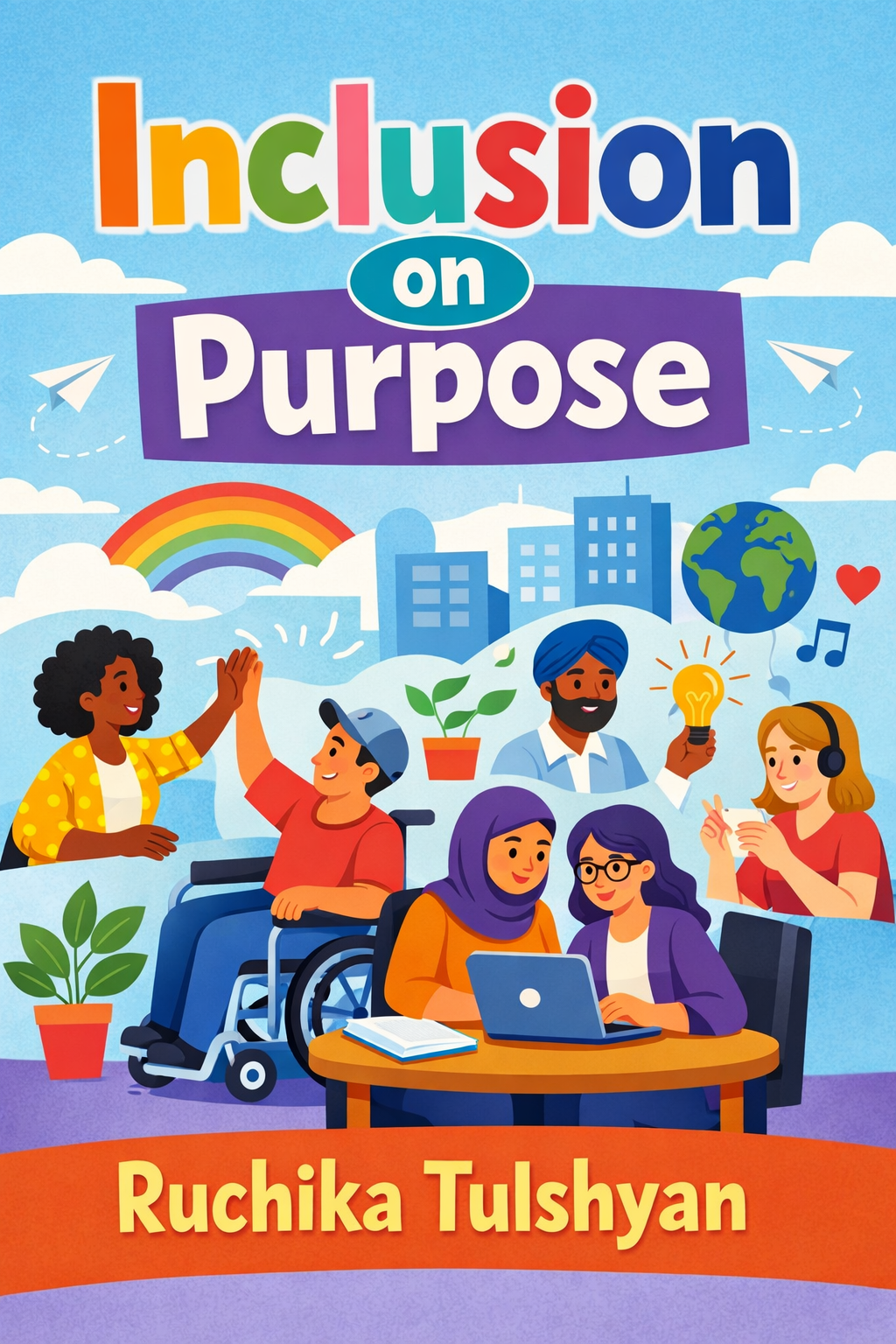
Description
The compelling case for inclusion in the workplace is no longer just moral; it is economic and strategic. Research indicates that achieving global gender equity could add trillions to the world economy, while diverse teams are proven to be more innovative, diligent, and effective. Yet, many organizations fail to move beyond performative statements and paper policies. True progress requires a shift from passive acceptance to active, purposeful inclusion woven into the very fabric of a company’s culture. This means examining and overhauling fundamental practices—from hiring and compensation to feedback and psychological safety—with an unwavering, intersectional lens that acknowledges the compounded challenges faced by women of color.
Building an inclusive culture must start with leadership and individual accountability. Consider the experience of a diversity lead invited as an afterthought to a critical meeting, only to be publicly derided by the CEO for her “irrelevant” work while her colleagues remained silent. This stark example illustrates how hollow commitments become without deliberate action. Individuals must learn to leverage their privilege as allies, speaking up against inequity and moving beyond a non-racist stance to an actively anti-racist one. This involves understanding intersectionality—how race, gender, and other identities layer to create unique workplace experiences—and recognizing that the privilege of “not seeing color” is itself a luxury denied to those whose color dictates their daily reality. Inclusion must be the intentional purpose, not an incidental hope.
A critical first operational step is reimagining hiring. The common instinct to hire for “culture fit” often perpetuates homogeneity, as managers unconsciously select candidates who mirror the existing team. The alternative is to hire for “culture add,” proactively seeking individuals who bring different perspectives, backgrounds, and experiences. This requires deliberate effort: crafting job advertisements free of biased language like “ninja” or “rockstar,” diversifying recruitment channels, ensuring interview panels are themselves diverse, and employing structured interviews with standardized questions to minimize bias. The goal is to build teams where diversity of thought is the engine of better decision-making and innovation, much like how diverse juries are statistically less prone to factual errors.
Equity must extend directly to compensation, where pervasive pay gaps reveal systemic failures. The experience of a woman of color, technically superior yet paid less than her white male peer for identical work, underscores the problem. When confronted, her manager admitted the issue but cited familiarity and trust as justifications, highlighting how bias entrenches disparity. From an intersectional view, the data is devastating, with women of color earning significantly less per dollar than white men. Secrecy around salary compounds this injustice. Organizations must conduct regular pay audits, establish transparent, equitable salary bands for roles, and—crucially—eliminate salary negotiations, which disproportionately advantage white men. Leaders and higher-paid employees can also foster transparency by openly discussing compensation, dismantling the taboo that protects inequity.
The pathway to advancement for underrepresented talent is often obstructed by ineffective feedback. Vague, subjective critiques like lacking “executive presence” become coded barriers, offering no actionable path for improvement. Women, and particularly women of color, frequently receive less specific and more personality-oriented feedback than their white male counterparts. Managers, often fearful of misspeaking, may offer overly cautious or ambiguous comments, ultimately stifling career growth. Feedback must be specific, behavioral, and grounded in observable actions, not perceptions. It is essential to avoid racially coded language that stereotypes assertiveness as “anger” or describes a Black professional as “articulate” in a way that implies surprise. Clear, direct, and compassionate communication is a cornerstone of inclusion, ensuring all employees understand how to succeed and grow.
Ultimately, these practices coalesce to create psychological safety—the belief that one can speak up, take risks, and be vulnerable without fear of punishment or humiliation. This environment is not merely comfortable; it is the bedrock of high-performing, innovative teams. When people from all backgrounds feel secure in contributing their full ideas, including dissenting opinions, organizations unlock their true creative potential. Psychological safety is the ultimate indicator of a purposefully inclusive culture, where the value of every individual is not just stated but felt and operationalized daily. The journey requires persistent, conscious effort at every level, challenging the status quo and centering equity in every process. The reward is a workplace that is not only fairer but also more resilient, dynamic, and successful.